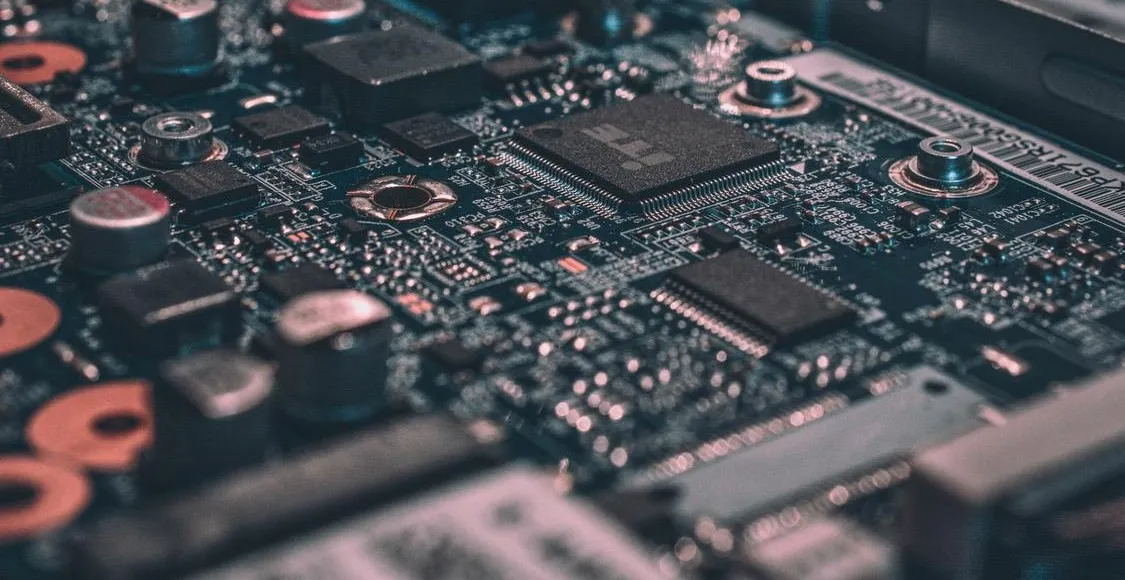
A phone contains more gold than some ore deposits. A ton of old mobile phones—without batteries—holds 340 grams of gold, 3.5 kilograms of silver, and 140 grams of palladium. Those are mining-grade concentrations sitting in drawers and recycling centers worldwide.
Scientists have figured out how to extract them efficiently. Using a process called flash joule heating, researchers can vaporize precious metals directly from shredded circuit boards, recovering up to 80% of metals like rhodium, palladium, and silver—and doing it at roughly one-thirteenth the cost of traditional e-waste recycling.
The method is straightforward. Circuit boards get shredded and mixed with carbon black, a conductive material. When an extremely high electrical current runs through the mixture in a flash joule chamber, the precious metals vaporize while plastic and other components turn to char. Adding halide compounds can boost recovery rates even further.
We're a new kind of news feed.
Regular news is designed to drain you. We're a non-profit built to restore you. Every story we publish is scored for impact, progress, and hope.
Start Your News DetoxWhat makes this genuinely significant is the energy math. Flash joule heating uses 80 to 500 times less energy than traditional smelting-based recycling. That's not a marginal improvement—it's the difference between a process that might scale globally and one that probably won't.
Context matters here. We generate 40 million tons of e-waste annually. Most of it ends up in landfills or gets shipped to countries with minimal environmental oversight, where informal recyclers extract metals using acid and fire, poisoning soil and groundwater in the process. A cheaper, cleaner alternative changes the economics. When recovering precious metals becomes genuinely profitable, recycling stops being a moral choice and becomes a business one.
The metals recovered aren't niche either. Silver, gold, and palladium are essential for renewable energy systems, electric vehicles, and medical devices. As demand for these metals grows and mining becomes more environmentally costly, urban mining—extracting from discarded electronics rather than the earth—starts looking like infrastructure, not innovation.
The technology still needs to move from lab to industrial scale, which always takes longer than headlines suggest. But the proof of concept is solid, and the incentives are aligned. As metal prices rise and e-waste volumes keep climbing, someone will build the first commercial flash joule facility. Then the second. Then the question shifts from "Can we do this?" to "Why aren't we doing this everywhere?"