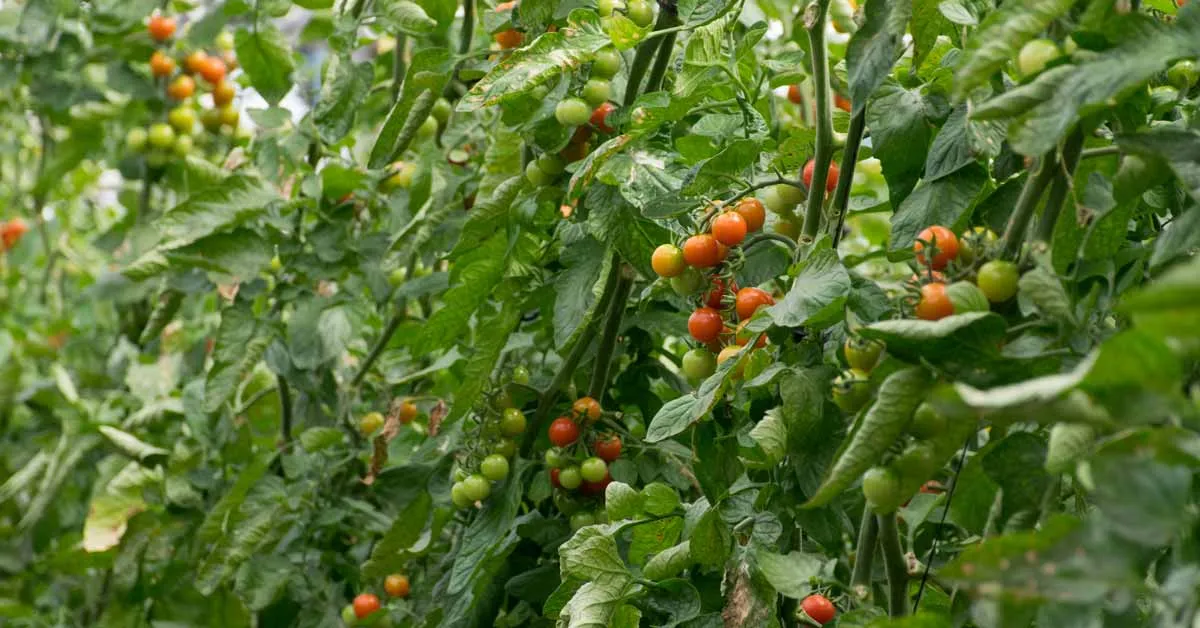
Elena is 38, mother of seven, and stuck. Outside Jocotán in Guatemala, her family depends on farming in a landscape that's drying up. Her husband finds work where he can as a hired laborer. Her youngest daughter has an undiagnosed heart condition they can't afford to treat. Her eldest had to leave school when COVID hit and costs spiraled. Everything costs more now. The harvests keep failing.
When someone mentions the United States, Elena knows the math doesn't work. A smuggler costs thousands of dollars — money her family doesn't have. The journey takes weeks or months, during which there's no income at home. If her husband gets deported, if he's injured, if he can't pay back the debt: they lose the land. They lose everything. So Elena stays.
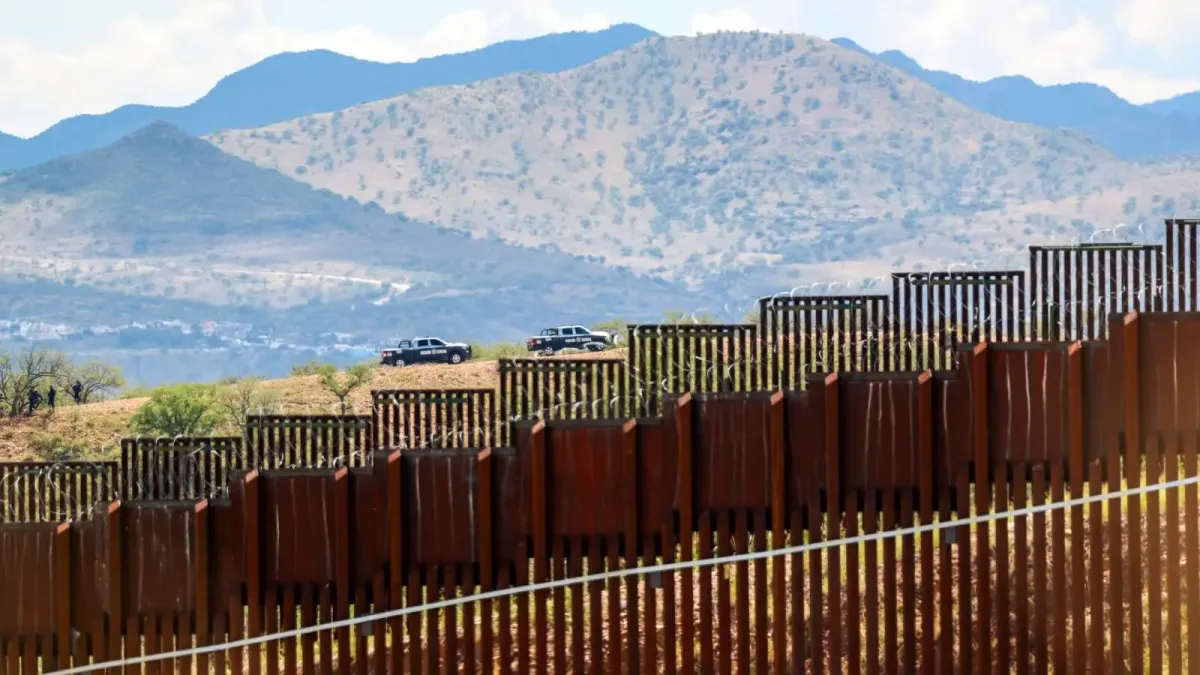
She's part of what researchers call "trapped populations" — people whose lives are being unmade by climate change but who lack the resources to leave. Migration requires capital and connections. The routes that exist are often deadly. Tens of thousands have died trying.
We're a new kind of news feed.
Regular news is designed to drain you. We're a non-profit built to restore you. Every story we publish is scored for impact, progress, and hope.
Start Your News DetoxBut here's where the story gets more complicated.
Migration, when it happens, transforms lives. Migrants who do make it typically see their wages grow three to six times over. And crucially, they send money home. These remittances — the money migrants wire back to families — have become the economic backbone of Central America. In northern Central America, roughly 30% of households receive remittances. That's not a side benefit. That's survival infrastructure.
In the village of Barbasco, a woman named Consuela is using remittance money to build a new home away from a collapsing hillside. Across Guatemala, remittances fund small businesses, school fees, medical care, and climate adaptations — things governments haven't managed to provide. The money flowing back from migrants abroad has created a parallel economy that's lifting communities out of the deepest poverty.
The irony is sharp: the U.S. media narrative about Central America is one of collapse and desperation. And that's real. But it's incomplete. Outside the capitals, Guatemala has gleaming shopping centers, substantial houses, and thriving tourism — much of it built on remittance money. The region's development story isn't one of aid or government investment. It's one of ordinary people risking everything to send money home.
What's emerging is a pattern: climate change is making farming less viable, pushing more families toward migration as the only option. And as more people leave, remittances become even more critical to those who stay. It's a cycle that works, barely, but it's also fragile — dependent on open borders and the willingness of migrants to endure dangerous journeys. The question isn't whether migration helps. It clearly does. The question is whether we'll keep relying on it as a substitute for actually addressing why people have to leave in the first place.