On Golborne Road in North Kensington, something has shifted. The bakeries and cafes of London's Little Morocco have become something between a nerve centre and a living room — a place where an entire community is holding its breath together.
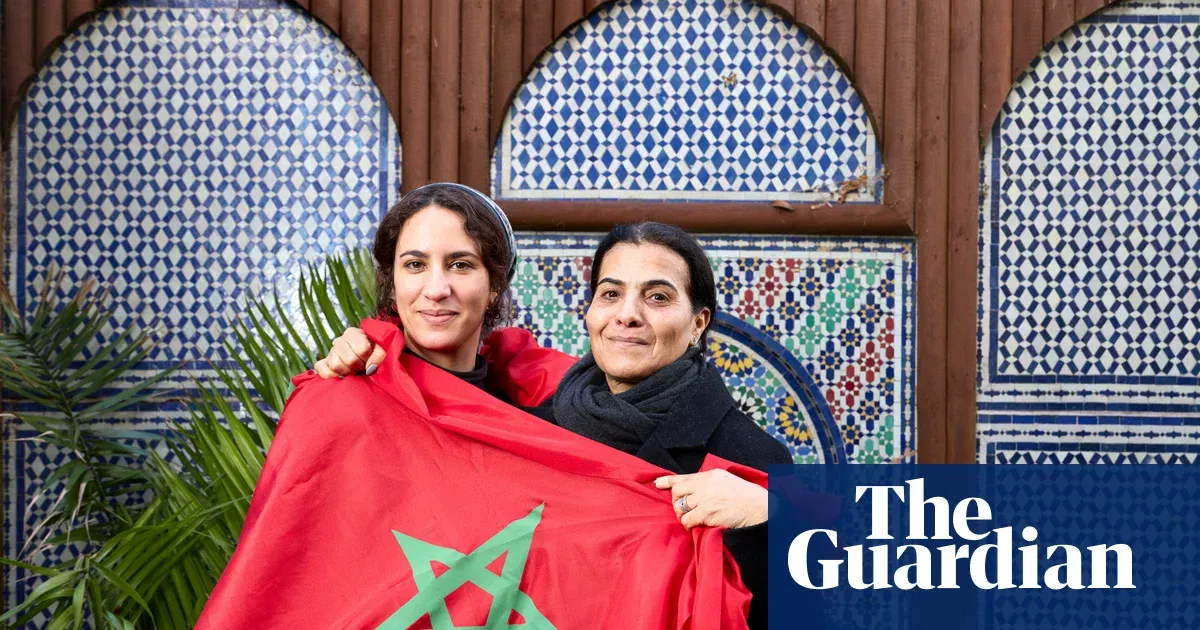
Sunday's Africa Cup of Nations final between Morocco and Senegal has done what local organisers say current events haven't managed: it's given the diaspora a shared purpose. Souad Talsi, who runs the Al-Hasaniya Moroccan women's centre at Trellick Tower, describes the feeling simply. "It's completely taken over everything else," she says. "It's united us and given us a sense of belonging."
Walk into the Trellick Lounge cafe and you'll see the screens are already set up. Owner Ali Mssr expects hundreds to arrive for the final — the same crowds who filled the space for Morocco's semi-final penalty win against Nigeria, an atmosphere he remembers as "beautiful." Mohamed Chelh, who works nearby in a bakery, doesn't hide his confidence. He believes this is Morocco's year — their first Afcon title since 1976 — and he's already planning to head to Trafalgar Square to celebrate.
We're a new kind of news feed.
Regular news is designed to drain you. We're a non-profit built to restore you. Every story we publish is scored for impact, progress, and hope.
Start Your News Detox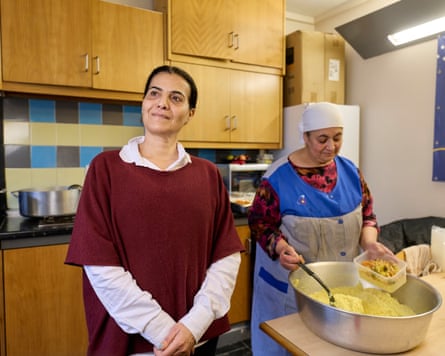
Couscous is prepared at a community centre inside Trellick Tower, which, says Saoud Talsi (left), will be eaten before the match. Photograph: David Levene/The Guardian
What's striking isn't just the confidence — it's the texture of how people are preparing to watch. Talsi plans to gather her extended family, including her 85-year-old mother, for couscous before kickoff. Lailah Khallouk, a senior outreach worker, notes that people are organising watch parties across cafes, social clubs, and living rooms. Her 11-year-old son Adam has appointed himself, she laughs, a "professional fan."
There's something else happening too. Talsi mentions that football has "broken the gender barrier" — as many loud girls cheering as boys at the semi-final. In a community that's often fragmented by the pressures of living between two places, this tournament has created a moment where belonging feels uncomplicated.
Uber driver Mohamed Rhiam, who recently visited family in Casablanca, knows the stakes feel different there. The atmosphere was "crazy," he says, and there will be "great disappointment" if Morocco loses. He carries concerns about the money spent on stadiums, but the football itself still makes him proud — that mix of realism and hope that defines how diaspora communities often hold their homelands.
Sunday will tell whether that confidence translates to victory. But for now, on Golborne Road and beyond, the waiting itself has become the point.