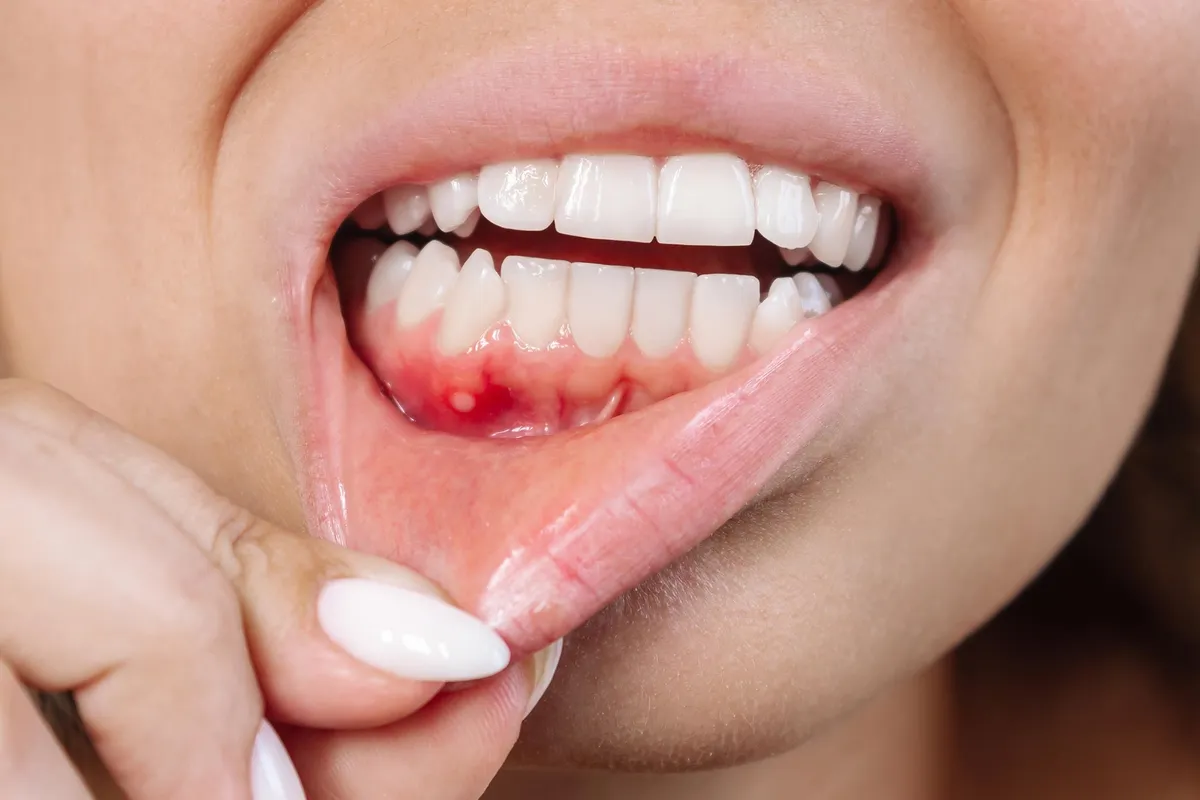
Nearly half of Americans over 65 have some form of gum disease. A new study suggests one reason might be sitting in their kitchen: lycopene, the compound that makes tomatoes red.
Researchers from Connecticut College and five other universities analyzed health data from 1,227 adults aged 65 to 79, part of a long-running national nutrition survey. What they found was striking. Among those eating enough lycopene—the antioxidant abundant in tomatoes, watermelon, and pink grapefruit—the risk of severe periodontitis dropped to roughly one-third compared to those with low intake. Nearly 78 percent of the study group weren't getting enough of it.
What the research shows
The link held up even after researchers accounted for age, smoking, education, and other factors that typically influence gum health. But the story gets more complex when you look at who's affected most. Men were significantly more likely than women to develop severe gum disease. Non-Hispanic Black adults showed nearly three times the odds of severe periodontitis compared to non-Hispanic White adults—a disparity that appeared regardless of lycopene intake, suggesting the relationship between diet and gum health works differently across populations.
We're a new kind of news feed.
Regular news is designed to drain you. We're a non-profit built to restore you. Every story we publish is scored for impact, progress, and hope.
Start Your News DetoxThat last finding matters. It means a simple "eat more tomatoes" message won't solve the problem for everyone. The researchers, led by Katherine Kwong at Connecticut College, are careful not to overstate what they've found. Because this was a snapshot study—looking at data from one point in time rather than following people over years—they can't prove that lycopene actually prevents gum disease. Only that people who consume enough of it tend to have healthier gums.
Why this matters now
Severe periodontitis isn't just a cosmetic issue. It's linked to heart disease, stroke, and difficulty managing diabetes. For older adults, keeping teeth and gums healthy directly affects nutrition, quality of life, and independence. If something as accessible as eating more tomatoes could reduce risk, even for some people, that's worth knowing.
The researchers are calling for the next step: actual trials where some older adults increase their lycopene intake while others don't, to see if the nutrient actually prevents disease or slows its progress. They're also pushing for prevention strategies tailored to different communities—because the disparities they uncovered suggest a one-size-fits-all approach won't work. The question now isn't whether lycopene helps everyone equally, but how to design interventions that actually reach the people at highest risk.