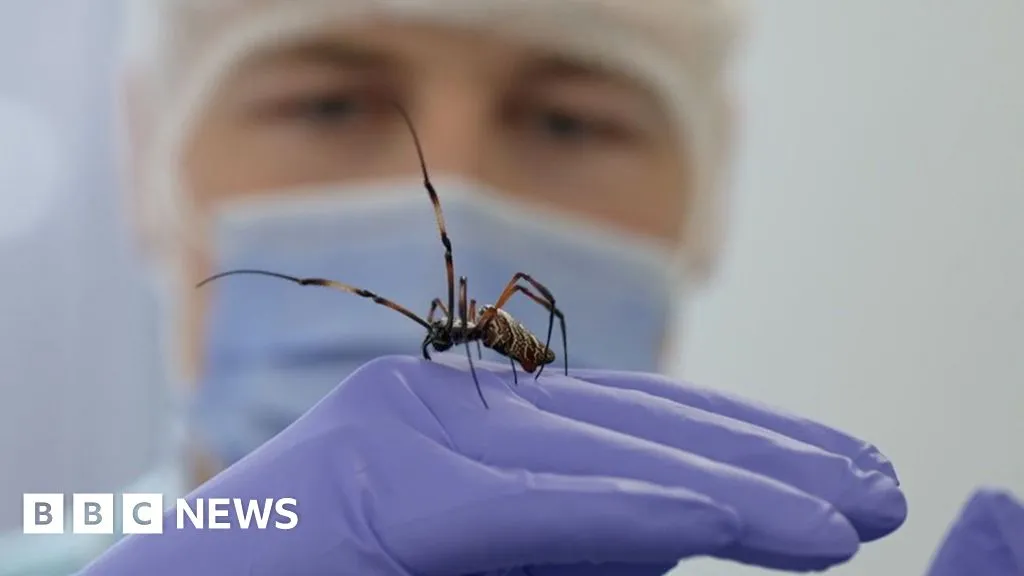
Scientists have found an unlikely ally in nerve repair: the silk from golden orb-web spiders. Researchers are developing surgical devices using this silk as a scaffold—essentially a biological trellis—that allows severed nerves to regrow across gaps they couldn't bridge on their own.
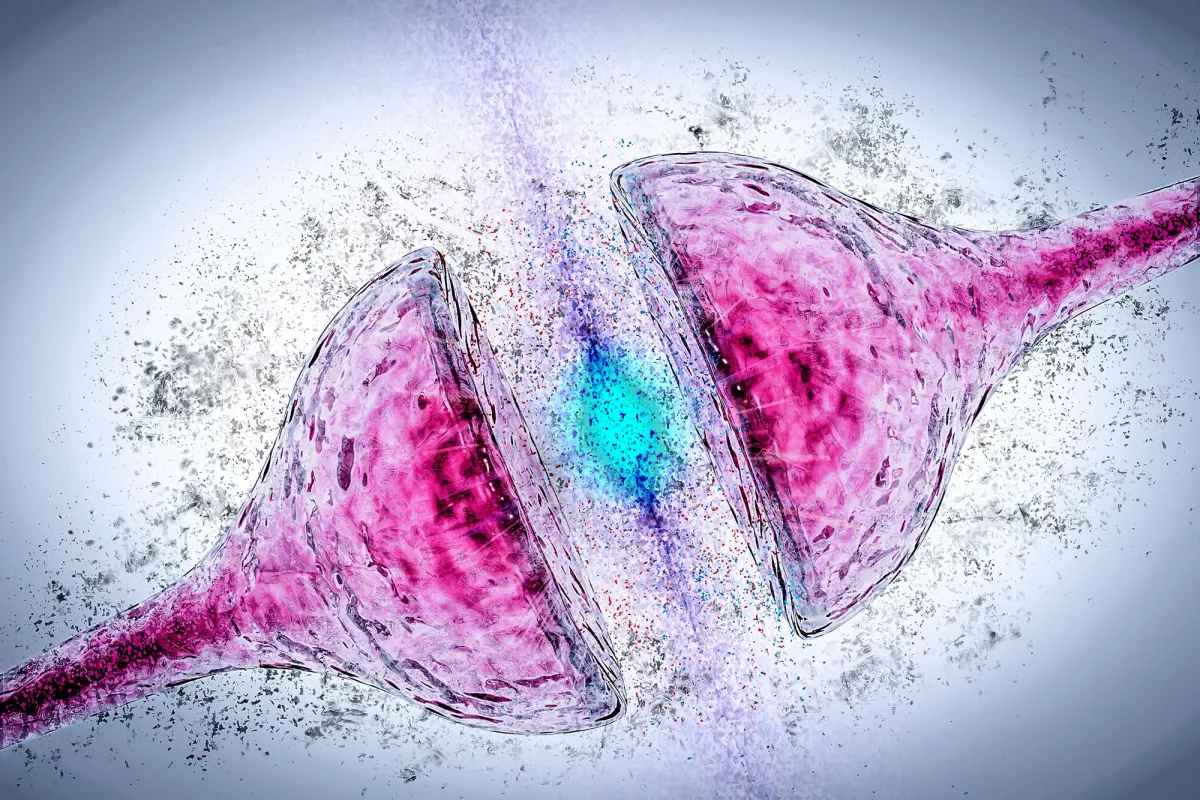
When a nerve is cut, your body does try to repair it. But the natural scaffold it creates only lasts about 10 days, and nerves grow slowly, roughly 1 millimeter per day. If the gap is larger than 1 centimeter—common in trauma injuries or during cancer surgery—the nerve simply can't reach across in time. The regeneration stalls, and sensation and function don't return.
Golden orb-web spider silk changes that equation. The dragline silk that these spiders use to anchor their webs has a structure remarkably similar to the body's own scaffolding, but with a crucial difference: it holds firm for 150 days. That's long enough for nerves to grow across gaps that would otherwise be unreachable. The silk fibers are implanted into a hollow tube or vein, creating a guided pathway for nerve growth. Over time, the silk biodegrades harmlessly into the body.
We're a new kind of news feed.
Regular news is designed to drain you. We're a non-profit built to restore you. Every story we publish is scored for impact, progress, and hope.
Start Your News DetoxFrom Trauma to Cancer Surgery
Dr. Alex Woods, a trauma and orthopedic surgeon, sees immediate applications. Nerve injuries from mastectomies, prostate cancer operations, and traumatic accidents leave patients with numbness, weakness, or chronic pain. Current repair methods require harvesting a nerve graft from elsewhere in the patient's body—a second surgery, a second site of damage, and a longer recovery.
The spider-silk device could eliminate that secondary operation. It would also ease the strain on the NHS, where nerve graft procedures tie up operating theaters and surgeon time. Early evidence suggests the approach works, which is why the device is now in its first human trial at a hospital in Panama, testing safety before studies begin in the UK and US.
Helen Hide-Wright, who underwent a traditional nerve graft after her own injury, reflects on what might have been. "It's an exciting opportunity," she says of the silk device. Her surgery was successful, but she recognizes that a method requiring no second incision, no graft site pain, and a longer healing window could have meant a smoother path back to normal sensation.
Still, the path from promising lab results to surgeon's toolkit is long. Bringing a new medical device to market requires years of testing, regulatory approval, and manufacturing scale-up—hurdles that many innovations never clear. Dr. Woods is candid about this: the silk device may never reach patients. But for now, the early-stage trial in Panama represents something worth watching: nature's engineering meeting clinical need.