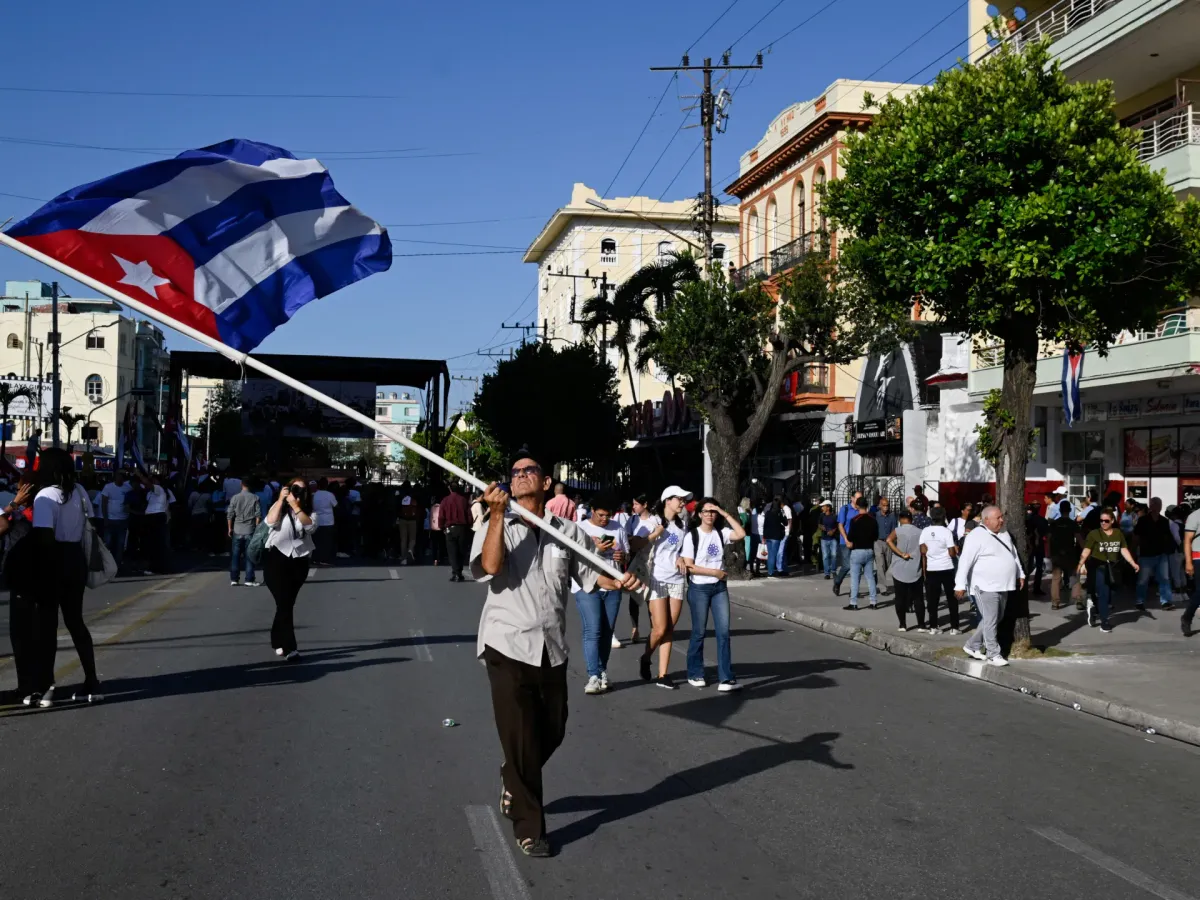
Well, this is certainly a conversation starter. Cuba has confirmed it's been quietly chatting with US officials in Havana, even as the two nations continue to eye each other like wary alley cats. The big issue? Washington's rather aggressive energy blockade, which Cuba insists is less about policy and more about making life generally inconvenient for everyone involved.
According to Alejandro Garcia del Toro, a Cuban Foreign Ministry official, the US sent some assistant secretaries of state, while Cuba countered with deputy foreign ministers. The verdict? "Respectful and professional," he said, adding that there were no threats or deadlines, despite what some US media outlets might have suggested. Because apparently, even in high-stakes international diplomacy, sometimes a chat is just a chat.
The Demands and the Drama
Cuba's top priority is simple: make the three-month-old US oil blockade disappear. Garcia del Toro called it "economic coercion" and "global blackmail," pointing out that it's not just punishing the Cuban people but also threatening any sovereign nation brave enough to sell them fuel. Which, if you think about it, is a rather specific kind of don't you dare.
We're a new kind of news feed.
Regular news is designed to drain you. We're a non-profit built to restore you. Every story we publish is scored for impact, progress, and hope.
Start Your News DetoxAxios reported that Trump administration officials actually flew to Cuba for these talks on April 10 — the first time US diplomats have made that trip since 2016. And who was at the table? None other than Raul Guillermo Rodriguez Castro, grandson of former President Raul Castro. Because nothing says "we're serious about this" quite like bringing in the family.
Naturally, the US had a few conditions of its own for continued negotiations: free political prisoners, end repression, liberalize the economy, and, somewhat unexpectedly, allow Elon Musk's Starlink internet terminals. Oh, and compensate Americans for assets confiscated after the 1959 revolution. Because apparently, that's where we are now: negotiating internet access alongside historical grievances.
Global Eyebrows Raised
Meanwhile, Trump has been dropping hints about military intervention and threatening tariffs on anyone who dares sell oil to Cuba. This fuel blockade has pushed Cuba into a full-blown economic and energy crisis, sparking fears of a humanitarian disaster. And Cubans? They're reportedly preparing for a potential attack after Trump's warnings that Cuba would be "next" after his actions in Iran and Venezuela. Cuban President Miguel Diaz-Canel even declared his country ready to fight if the US followed through. Because nothing diffuses tension like a good old-fashioned declaration of readiness.
Leaders from Mexico, Spain, and Brazil have all expressed concern, calling for "sincere and respectful dialogue." German Chancellor Friedrich Merz chimed in, stating there's no justification for a US attack on Cuba and that self-defense doesn't grant the right to military intervention in other states. Which, for the record, seems like a fairly solid point.