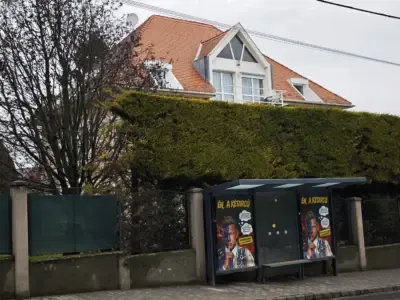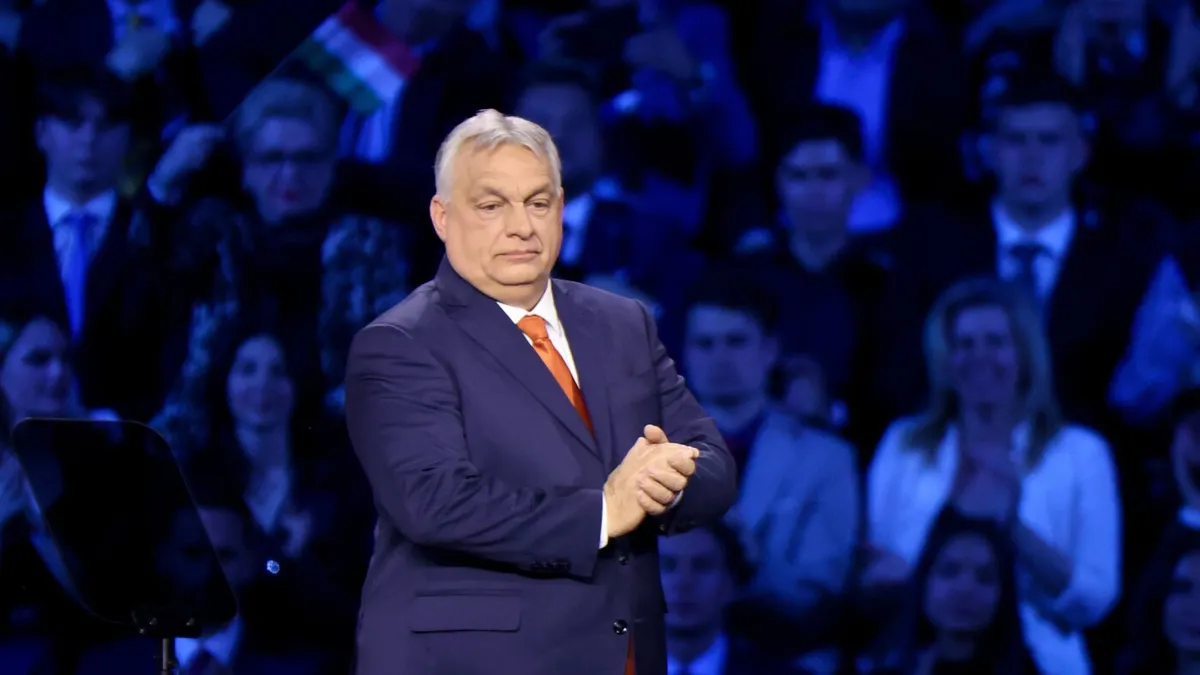
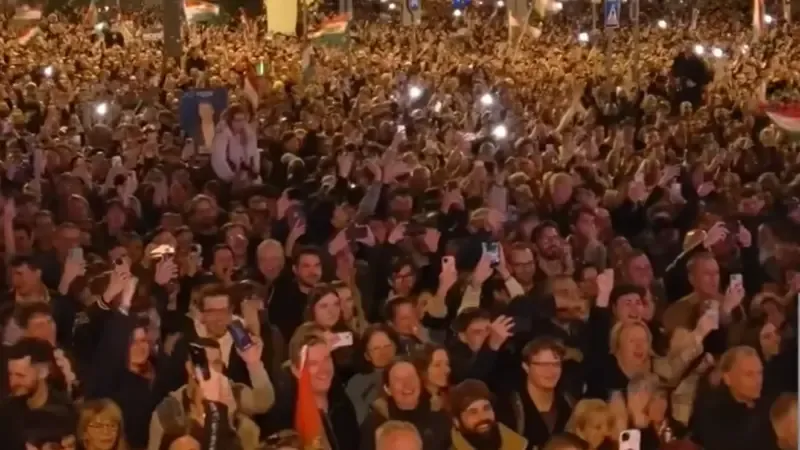
Well, that was unexpected. On April 12, 2026, Hungary pulled off an election that felt less like a national vote and more like a geopolitical chess move. For years, Prime Minister Viktor Orbán had been cozying up to Vladimir Putin, much to the chagrin of, well, most of Europe. He even had a nod of approval from former U.S. President Donald Trump, because apparently that's where we are now.
Then came the election. Hungarians were faced with a choice: stick with Orbán's FIDESZ party, which had been in power for 16 years and seemed to be building a bridge directly to Moscow, or pivot to the TISZA party, a relative newcomer formed just two years prior. It was essentially a ballot question asking, "Russia or the EU?" And the answer was a resounding, "Europe, please and thank you."
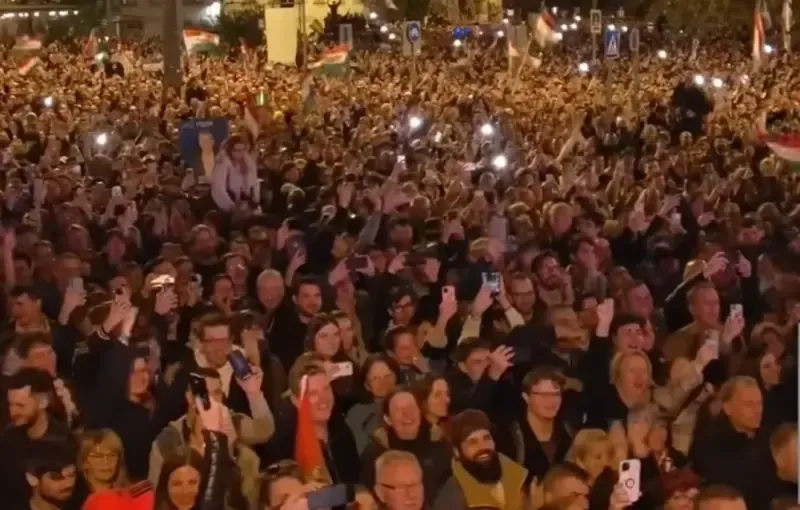
The Night Hungary Chose a New Path
The turnout was a staggering 79.5%. By 9 p.m. on election night, TISZA leader Péter Magyar announced that Orbán himself had called to concede. Let that satisfying number sink in. The TISZA party secured a two-thirds majority, which, if you think about it, is both impressive and slightly terrifying for the losing side. This wasn't just a win; it was a mandate. And just like that, Russia lost a rather vocal ally in the heart of Europe.
We're a new kind of news feed.
Regular news is designed to drain you. We're a non-profit built to restore you. Every story we publish is scored for impact, progress, and hope.
Start Your News DetoxMagyar, clearly energized, gave a lengthy speech around 11 p.m., promising to heal the divisions Orbán's party had, in his view, inflicted upon the nation. He even called for several high-profile Orbán-linked officials, including the President of Hungary, Tamás Sulyok, to step down. Because, you know, new era and all that. He also vowed to create a National Asset Recovery Office, which sounds exactly like what it is: a unit to track down all those lost EU funds and tackle corruption. Someone's accountant just had a heart attack.
Challenges are undoubtedly ahead, because nothing good ever comes easy. But the Hungarian Forint actually strengthened after the results, which is a pretty good economic high-five. Budapest, for its part, turned into one giant street party. Strangers were hugging, dancing, and shedding tears of joy. Apparently, that's what happens when you finally get the change you've been hoping for.