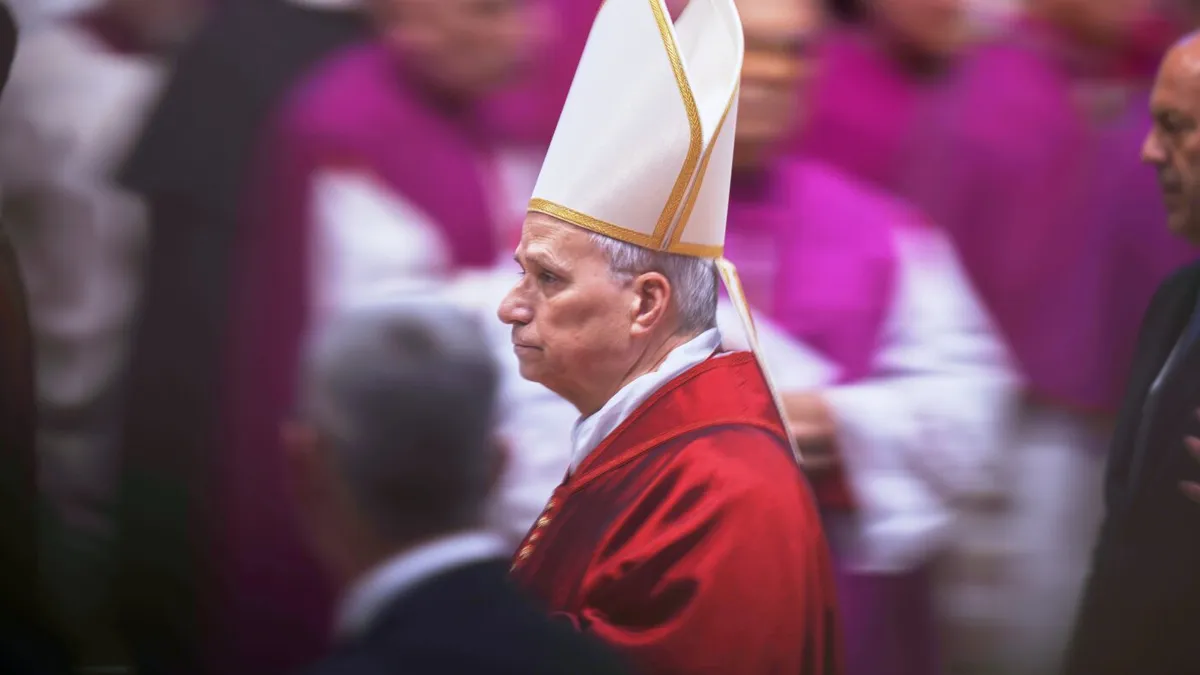
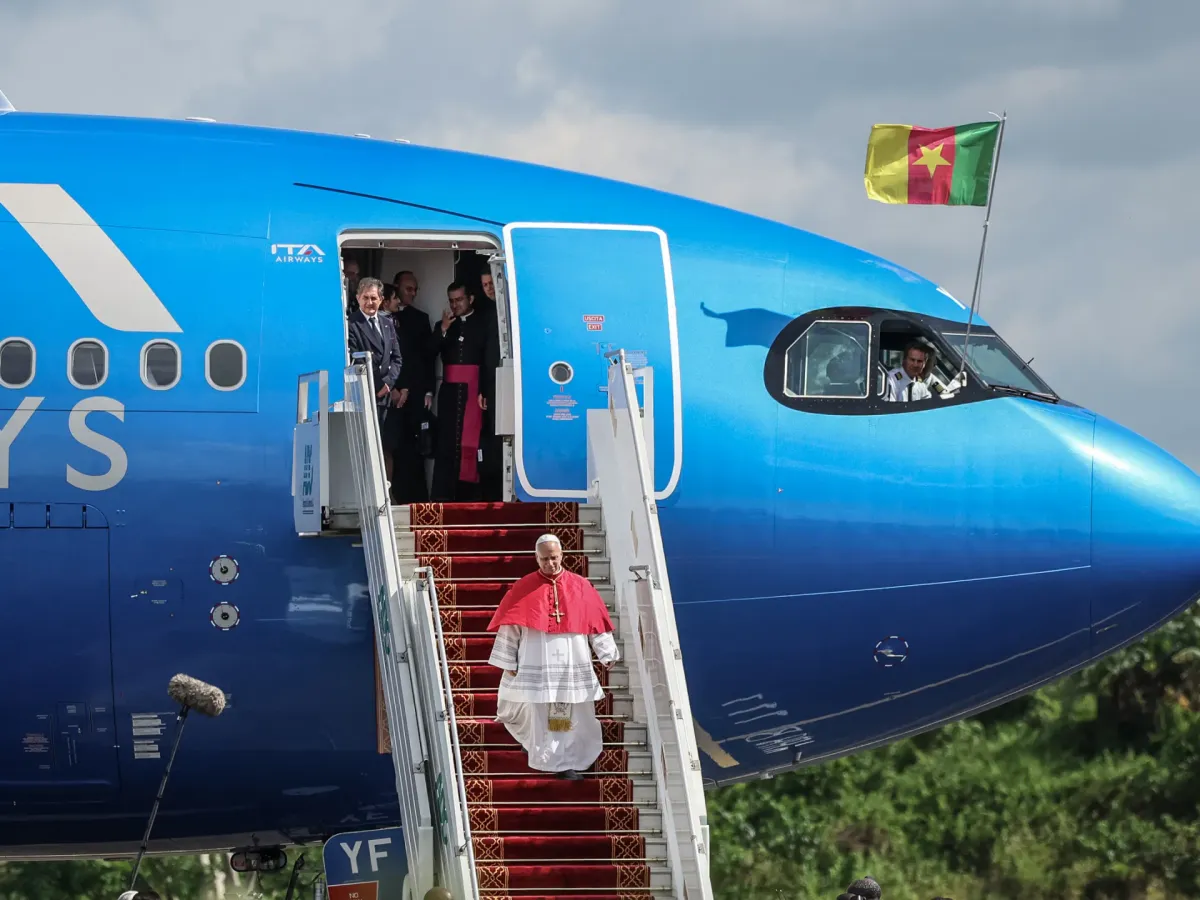
The first American Pope, Leo XIV, just touched down in Cameroon, and he’s not mincing words. His message of peace and anti-corruption has a particular US president seeing red. Because apparently, that's where we are now.
Pope Leo landed in Cameroon this week, kicking off a 10-day African tour that has already included a stop in Algeria. He immediately went for the jugular, speaking out against the "whims of the rich and powerful" and calling for peace in a nation grappling with internal conflict. He told President Paul Biya, who has been in power since 1982, that it's time to "examine our conscience and take a bold leap forward."
Oh, and he also mentioned that "the chains of corruption" need to be snapped if peace and justice are to have any hope. Which, if you think about it, is both impressive and slightly terrifying coming from a guy in a white hat.
We're a new kind of news feed.
Regular news is designed to drain you. We're a non-profit built to restore you. Every story we publish is scored for impact, progress, and hope.
Start Your News DetoxPapal Diplomacy vs. Presidential Tweets
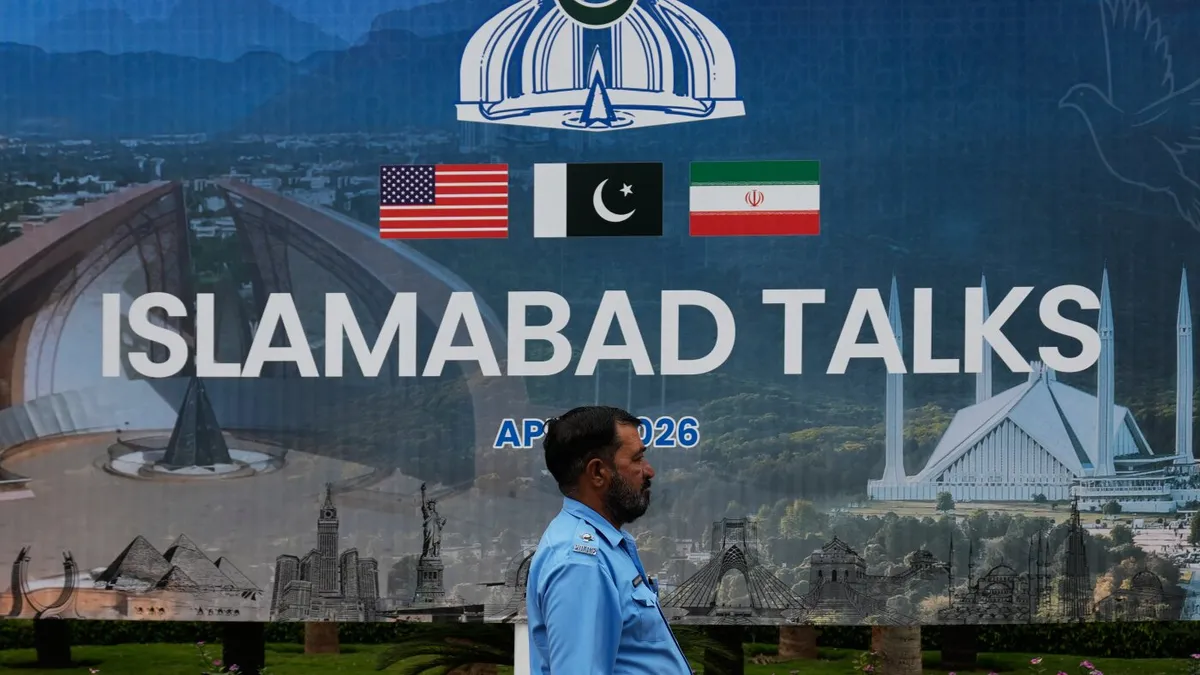
This isn't just about local politics, though. Pope Leo's consistent calls for social justice, migrant rights, and condemnation of the US-Israel war on Iran have put him squarely in the crosshairs of the Trump administration. He called Trump's threats to wipe out Iranian civilization "truly unacceptable." Even Vice President JD Vance, a Catholic convert, felt compelled to advise the pontiff to "be careful" when discussing theology. Because who better to school the Pope on doctrine than a US politician?
Trump, naturally, took to social media, accusing Pope Leo of being "weak on crime" and leaning too far left. This, mind you, from a president who recently posted a now-deleted image that seemed to depict him as Jesus Christ. The irony, it burns.
But Pope Leo remains unfazed. He's stated he has "no fear" of the Trump administration and plans to keep pushing his message of peace and criticism of war. Earlier in his trip, he even visited the Great Mosque of Algiers, declaring that tolerance and unity are essential in a world tearing itself apart. "We can live together in peace," he said, despite differing beliefs. Which, for many, sounds like a pretty good idea right about now.