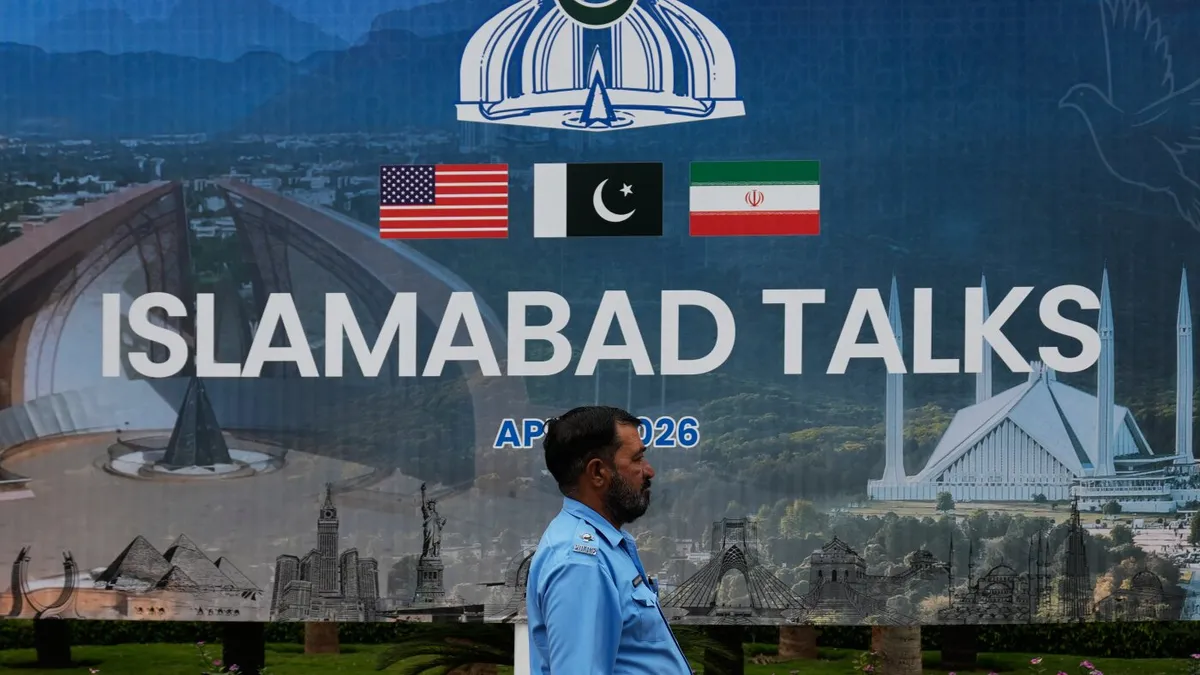
Islamabad, Pakistan, is hosting peace talks between Iran and the United States. This meeting is the result of weeks of intense diplomatic efforts by Pakistan's leaders. They offered their city as a venue and helped broker a two-week ceasefire.
Pakistan's Diplomatic Breakthrough
Pakistan's role as a mediator has surprised many, including its own citizens. Khizra Zaheer, 19, expressed surprise, asking, "When did Pakistan get so influential?"
Over the past three weeks, Pakistan moved from a quiet go-between to an active participant in negotiations. It brought in leaders from Egypt, Turkey, Saudi Arabia, and China to support its peace efforts. Pakistan then proposed a ceasefire plan.
We're a new kind of news feed.
Regular news is designed to drain you. We're a non-profit built to restore you. Every story we publish is scored for impact, progress, and hope.
Start Your News DetoxThe importance of Pakistan's involvement became clear when both sides agreed to a pause. This happened shortly after a plea from Pakistan's Prime Minister, Shehbaz Sharif.
President Trump and Iran's foreign ministry specifically named Sharif and Pakistani army chief Asim Munir in their ceasefire announcements. Rasheed Wali Janjua, director of research at the Islamabad Policy Research Institute, noted this was rare. He said no other country had the same trust from both parties.
Challenges Ahead for Lasting Peace
Now, Pakistan faces the challenge of turning this fragile ceasefire into a lasting agreement. If successful, these talks could "radically change perceptions of Pakistan" globally, according to Ishtiaq Ahmad, a professor emeritus at Quaid-i-Azam University.
However, Pakistan's diplomatic success comes amid political and economic struggles at home. Ahmad pointed out the disconnect between Pakistan's international achievement and its domestic situation.
Potential obstacles for the talks include issues like the Strait of Hormuz and the ongoing attacks in Lebanon. Lebanon's Prime Minister Nawaf Salam asked Pakistan for help to end these attacks, even though Sharif had declared Lebanon was covered by the ceasefire.
Daniel Markey, a senior fellow at the Stimson Center, noted that Pakistan does not recognize Israel diplomatically. Its policies towards Israel are unpopular domestically.
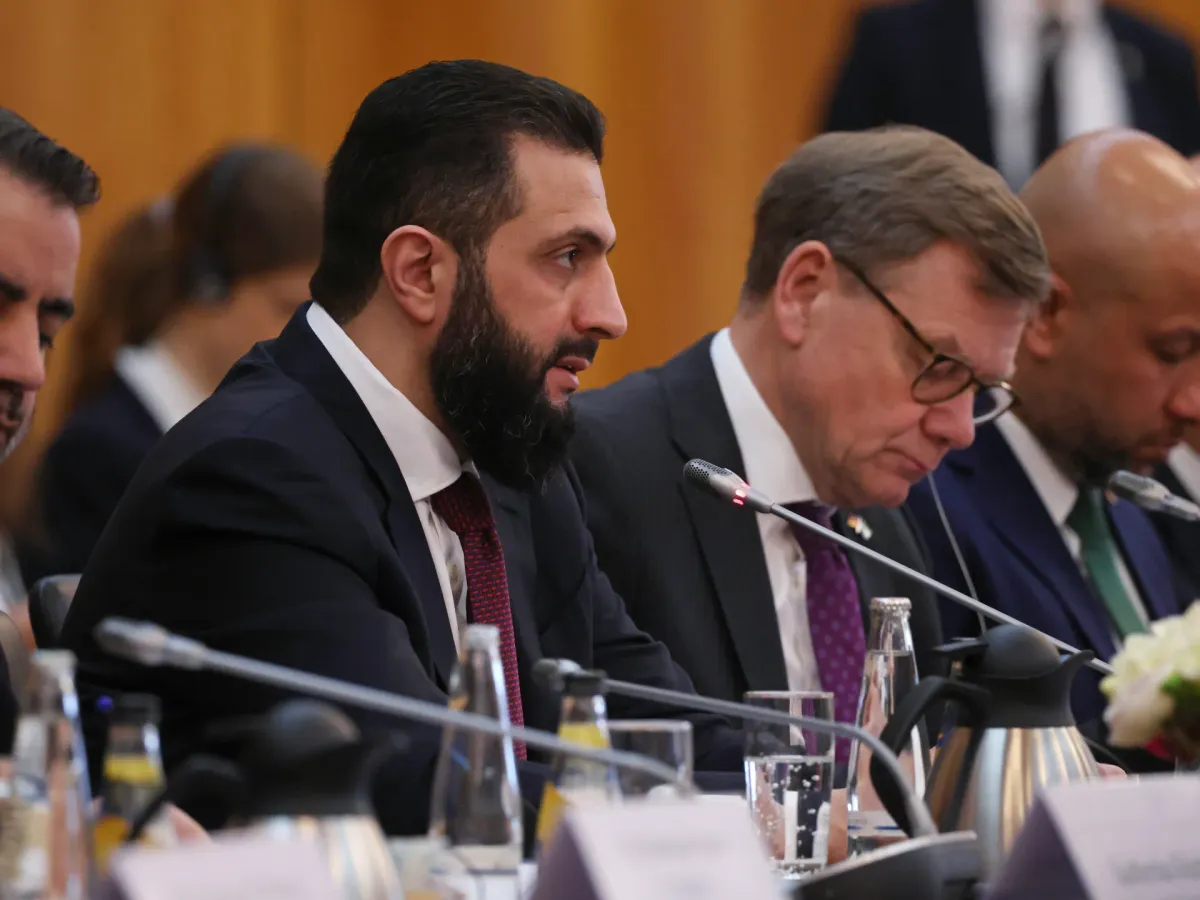
Because of this, the Islamabad talks have focused on dialogue between the United States and Iran. The U.S. delegation is led by Vice President J.D. Vance. Iran's delegation includes parliamentary speaker Mohammad Bagher Ghalibaf and foreign minister Abbas Araghchi.
Pakistan's Prime Minister Shehbaz Sharif and Foreign Minister Ishaq Dar are expected to lead the talks. Other key players in Pakistan's diplomatic efforts include army chief Asim Munir and National Security Advisor Asim Malik. The details of the meeting have been kept secret.
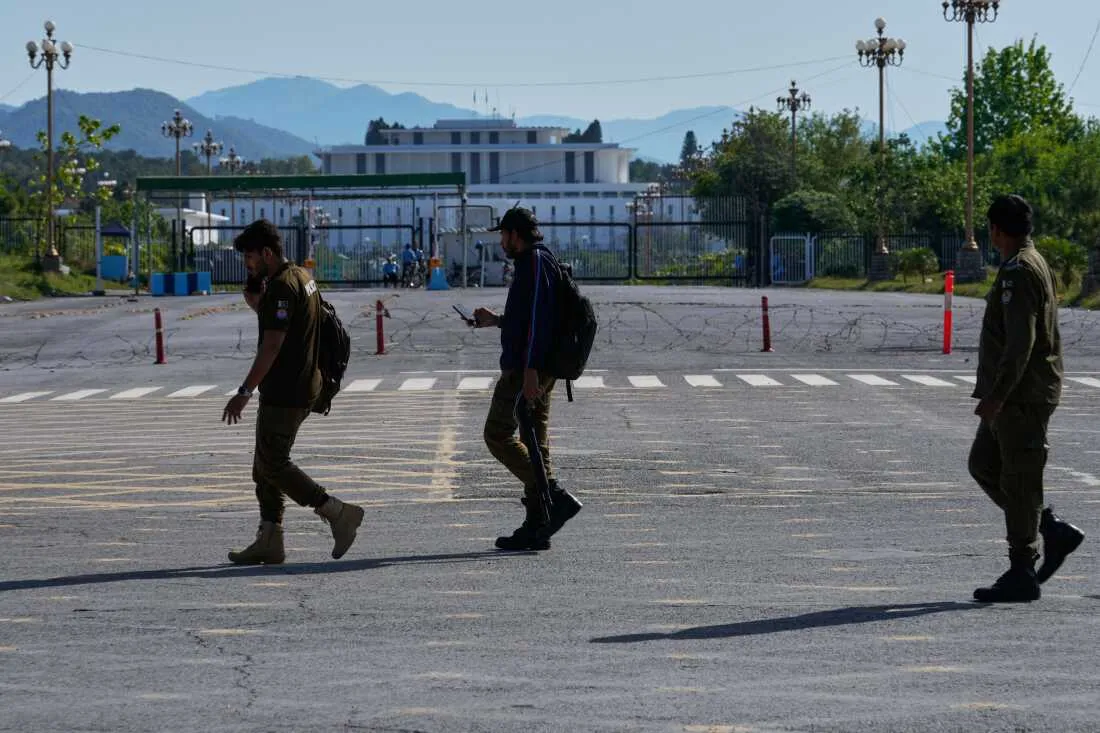
Islamabad Prepares for High-Stakes Diplomacy
Islamabad residents have noticed signs of the high-profile event. A five-star hotel was cleared, and the government declared a two-day holiday without explanation. Billboards showing Iranian, American, and Pakistani flags have appeared around the city.
The city's design, with major roads leading to the diplomatic "Red Zone," makes it suitable for such events. On the day before the talks, security was tight with barbed wire, concrete barriers, and police blocking roads. This caused traffic diversions.
Muhammad Waseem, 43, experienced the traffic but saw it as a small price for peace. He said, "Peace talks are going on, so for this we should compromise."