Expo Chicago's thirteenth edition saw brisk sales and positive feedback from dealers, who appreciated the fair's smaller, "more intentional" size. The event, held from April 9–12, featured about 130 exhibitors, down from 170 in previous years. This change created a more manageable sales floor at Navy Pier.
Early Successes and Notable Sales
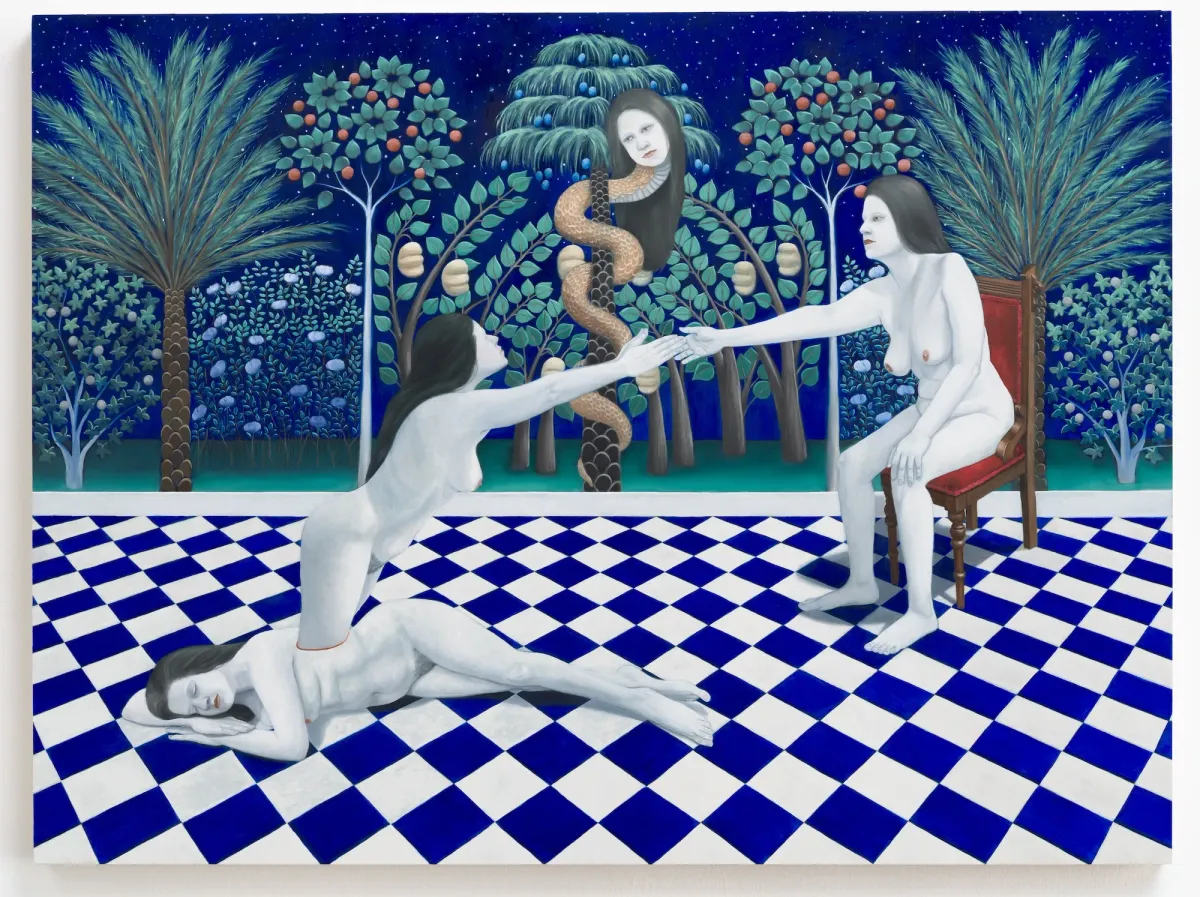
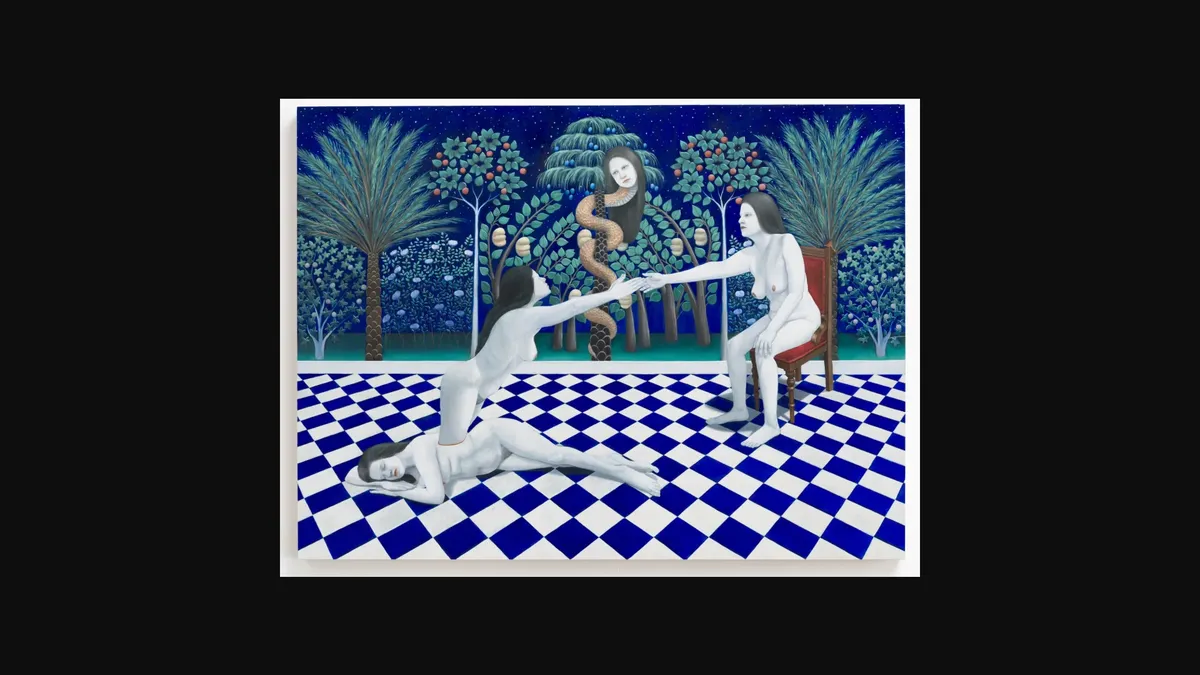
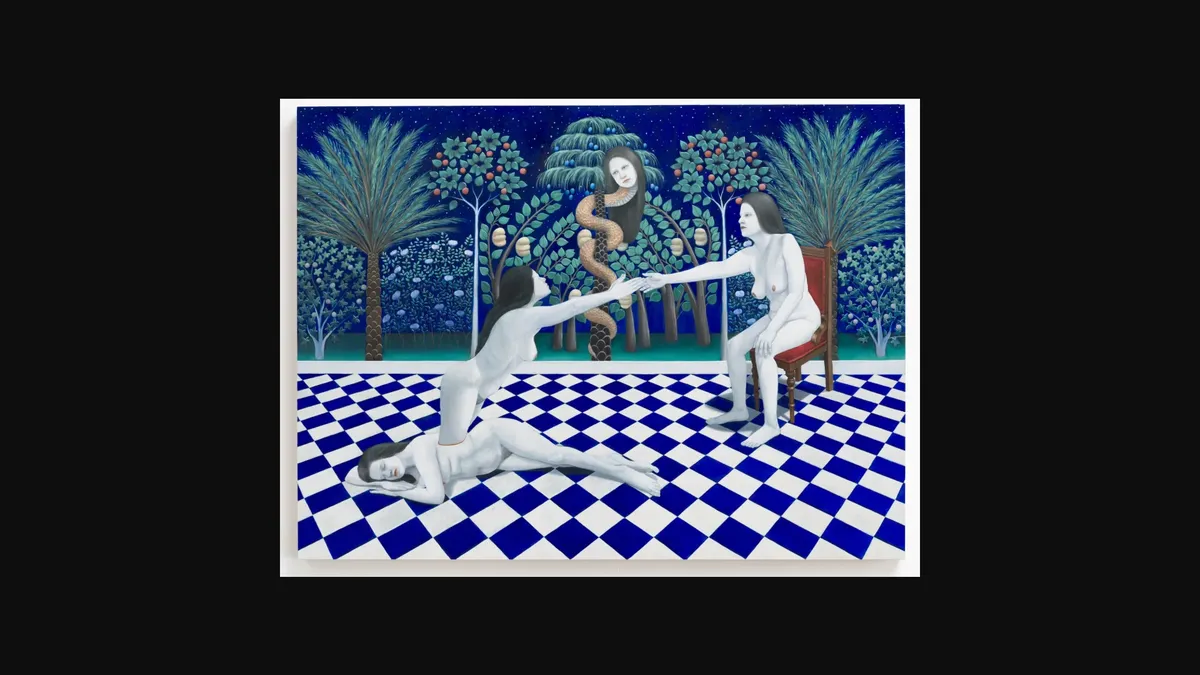
Tennessee artist Annie Brito Hodgin experienced a breakthrough at the fair. Her paintings, shown with Red Arrow Gallery, depict surreal modern interpretations of Biblical passages. One of her works was acquired by the Bennett Collection, which buys art by women artists painting women in a realist style. These acquisitions will be displayed at Michigan’s Muskegon Museum of Art. Red Arrow Gallery sold about half of its paintings on day one, with prices between $4,500 and $5,800.
New York’s Half Gallery sold six of eight paintings by Chinese-born artist Wenhui Hao even before the VIP preview. These pieces, which appear abstract but resolve into floral imagery, sold for $6,000 to $18,500 to both European and American collectors.
We're a new kind of news feed.
Regular news is designed to drain you. We're a non-profit built to restore you. Every story we publish is scored for impact, progress, and hope.
Start Your News DetoxCorbett vs. Dempsey, a Chicago gallery, showcased paintings and drawings by New York artist Gabrielle Garland. Her works feature unpeopled suburban homes with skewed perspectives and vibrant colors. By midday Thursday, the gallery had sold a painting for $10,000 to $20,000 and several drawings for $2,000 each.
Some galleries reported six-figure sales on the first day. Los Angeles’s Night Gallery sold several paintings by East Chicago native Robert Nava for up to $200,000. Secrist Beach, a Chicago gallery, sold Open Frame (2025) by Luftwerk for $150,000 to the Nelson-Atkins Museum of Art. Karma, with locations in New York and Los Angeles, placed sculptures from Kathleen Ryan’s "Bad Fruit" series, including Bad Lemon (Adrift) (2026) for $150,000 and Bad Orange (Deep Blue) (2026) for $135,000.
Curated Focus and Collector Engagement
San Francisco’s Jonathan Carver Moore offered small pieces by Demond Melancon, featuring colorful masks made from glass beads and rhinestones, priced at $8,000. These works draw inspiration from New Orleans Mardi Gras history. The gallery also displayed photos by Adrian Burrell, which explore a family history of enslavement. One of Burrell's photos sold before the fair opened for $10,000 to $12,500.
Jessica Silverman, a San Francisco dealer, returned to the fair after several years, partly due to the presence of fair curator Essence Harden and her connection to prominent Chicago collector and philanthropist Abby Pucker. Silverman focused on Bay Area artists, selling Koak’s paintings Everything Touches Everything Else and Open Book / Pressed Flowers for $50,000 each, and three pieces by Sadie Barnette, including Fancy Flowers (2026) for $24,000.
Los Angeles dealer Megan Mulrooney and Isabella Pigoni Miller celebrated selling out their booth of floral landscapes by Kate Zimmerman Turpin, priced from $16,000 to $18,500, and small floral paintings on mohair by Maria Szakats for $4,000 to $6,000. London gallery Public also sold out its booth of works by New York artist Taylor Simmons, with prices ranging from $3,000 to $20,000.
A shared booth by Chicago’s Good Weather Gallery and Detroit’s What Pipeline featured Dylan Spaysky’s sculpture Girls (2026), a life-size rattan and wicker rendition of characters from Sex and the City. Chicago’s Patron gallery also sold almost all its displayed works, including paintings by Lindsay Adams for up to $32,000.
The fair attracted notable market figures, advisors, and collectors, including Valerie Jarrett and musician Chance the Rapper. Curators and leaders from various museums and nonprofits were also in attendance, highlighting the fair's importance for institutional acquisitions and networking.
Dealers praised the reduced size of the fair. John Corbett of Corbett vs. Dempsey noted that "the scaling down in size allowed for a raising of the bar in terms of the overall quality of presentations. It’s a more manageable size." Emanuel Aguilar of Patron gallery added, "It feels more intentional. That’s a good road map for any fair in this climate."