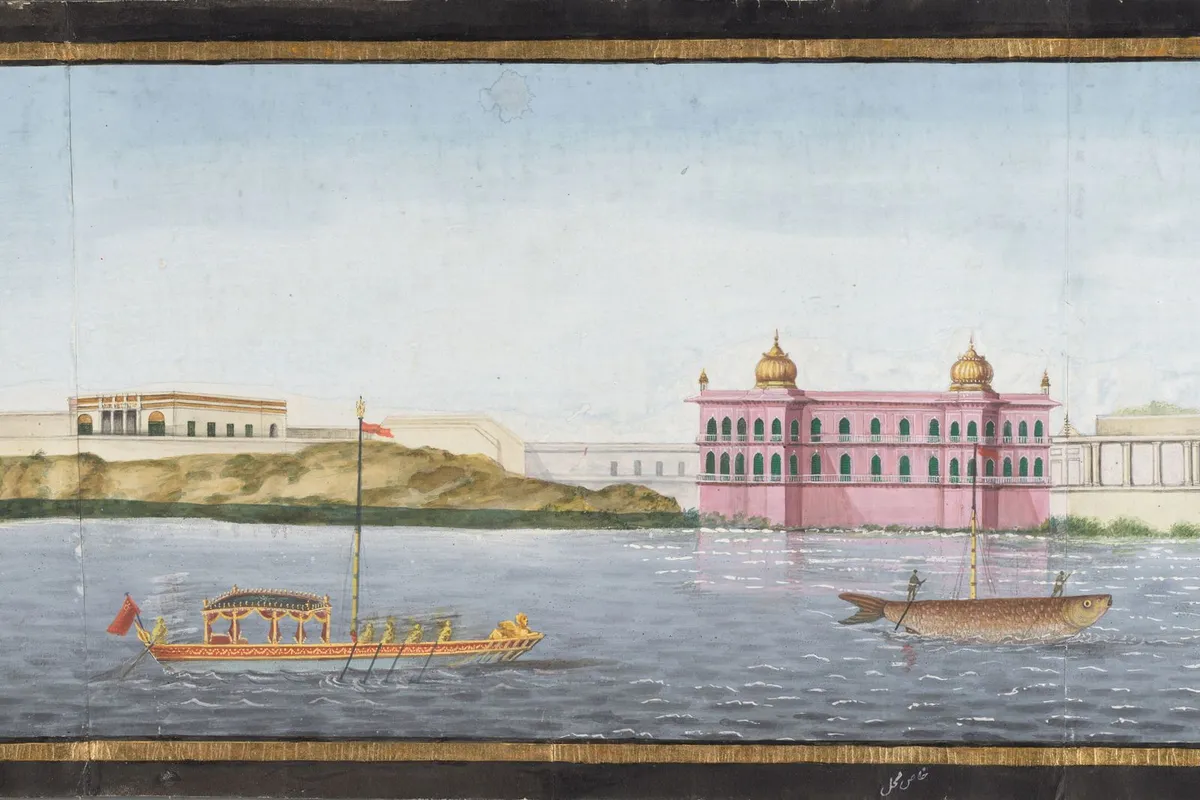
A huge, 37-foot-long watercolor painting is now on display for the first time. It shows a panoramic view of the Gomti River in Lucknow, India, from the 1820s. The artwork, called Lucknow From the Gomti, features palaces, boats, and people. It was likely made for a British visitor and uses European-style perspective.
This scroll is part of a new exhibition at the Yale Center for British Art. The show, "Painters, Ports and Profits: Artists and the East India Company, 1750-1850," highlights how art styles blended in Asia when the British East India Company was powerful.
Laurel Peterson, a curator for the show, explained that the exhibition focuses on artists who worked with the company. These artists created new styles to meet the demands of a new market.
We're a new kind of news feed.
Regular news is designed to drain you. We're a non-profit built to restore you. Every story we publish is scored for impact, progress, and hope.
Start Your News DetoxArt and Trade in Colonial India
The East India Company, founded in 1600, became a major trading power in East and Southeast Asia by the early 1800s. Company agents often asked artists to create works that recorded trade locations or served as gifts to help with business deals. They frequently hired local artists to paint "exotic" scenes to send back to Britain.
This period saw artists in London connecting with those in places like Calcutta, India, and Canton, China. Holly Shaffer, another co-curator, noted that the exhibition explores these close networks of artists and how they learned from each other, leading to new techniques.
One example is A Marriage Procession by Night, Patna. It's an example of "Company painting," a style where Indian artists used European watercolors and colors to appeal to British visitors and traders.

Other artworks in the exhibition focus on nature. A Great Indian Fruit Bat or Flying Fox, painted by Bhawani Das in the late 1700s, is part of a series about Indian plants and animals. This series was commissioned by Elijah Impey, a chief justice in British India, and his wife, Mary.

A watercolor from around 1770 shows a bird on a flowering branch. It blends Indian nature paintings, Chinese bird and flower art, and European botanical drawings. The pigments used, like Indian yellow and Chinese vermilion, also reflect its global influences. Another painting from around 1825 shows a breadnut, highlighting how local fruits interested company agents.
Peterson noted that these artworks show a mix of curiosity about nature and a focus on trade. Artists working with the company often recorded goods and how they were made.

Displaying the Lucknow Scroll
The Lucknow From the Gomti scroll is being shown publicly for the first time. Because it is so large and delicate, only half of it will be unrolled at a time to protect it from light. Conservators at the museum spent two years studying the piece.
Anita Dey, an assistant paper conservator, explained that the scroll's many layers made conservation challenging. It's made of several sheets of paper joined together, with more paper and a cotton backing, which made it hard to lay flat.
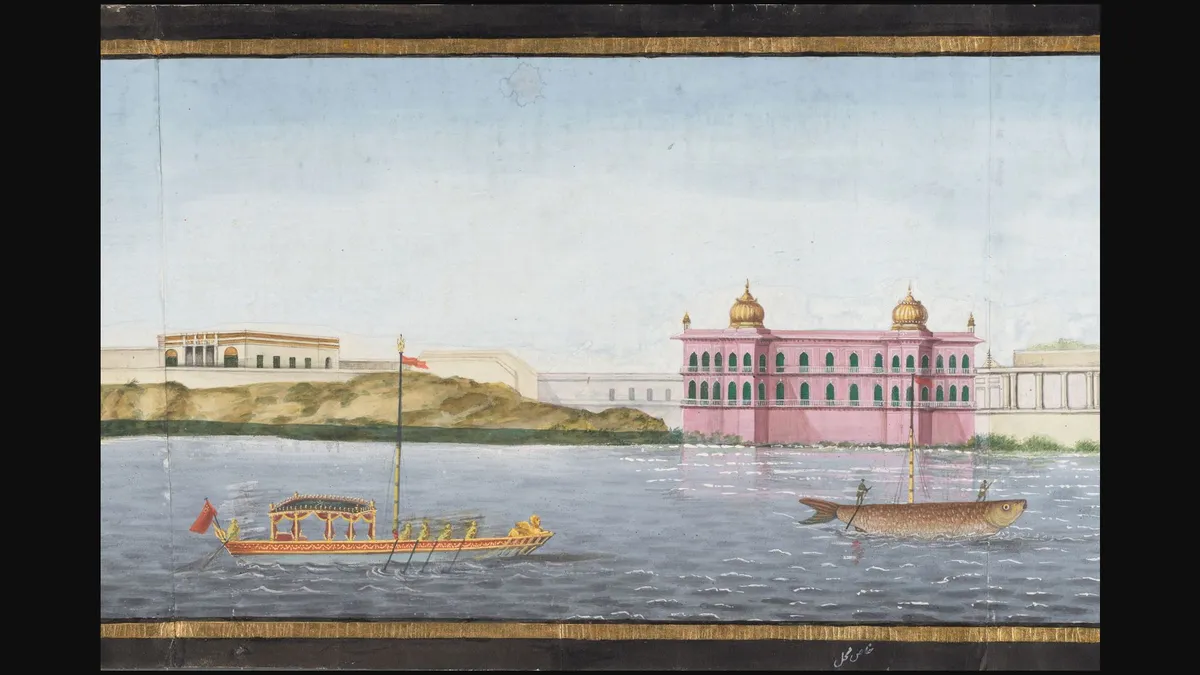
Researchers found that multiple artists worked on the scroll, though none signed their names. Four pages of English notes describe the Lucknow view, possibly written by the person who commissioned the artwork. The curators noted that the scroll has a fascinating and mysterious story, both historically and physically.
The exhibition "Painters, Ports and Profits: Artists and the East India Company, 1750-1850" is open at the Yale Center for British Art in New Haven, Connecticut, until June 21, 2026.