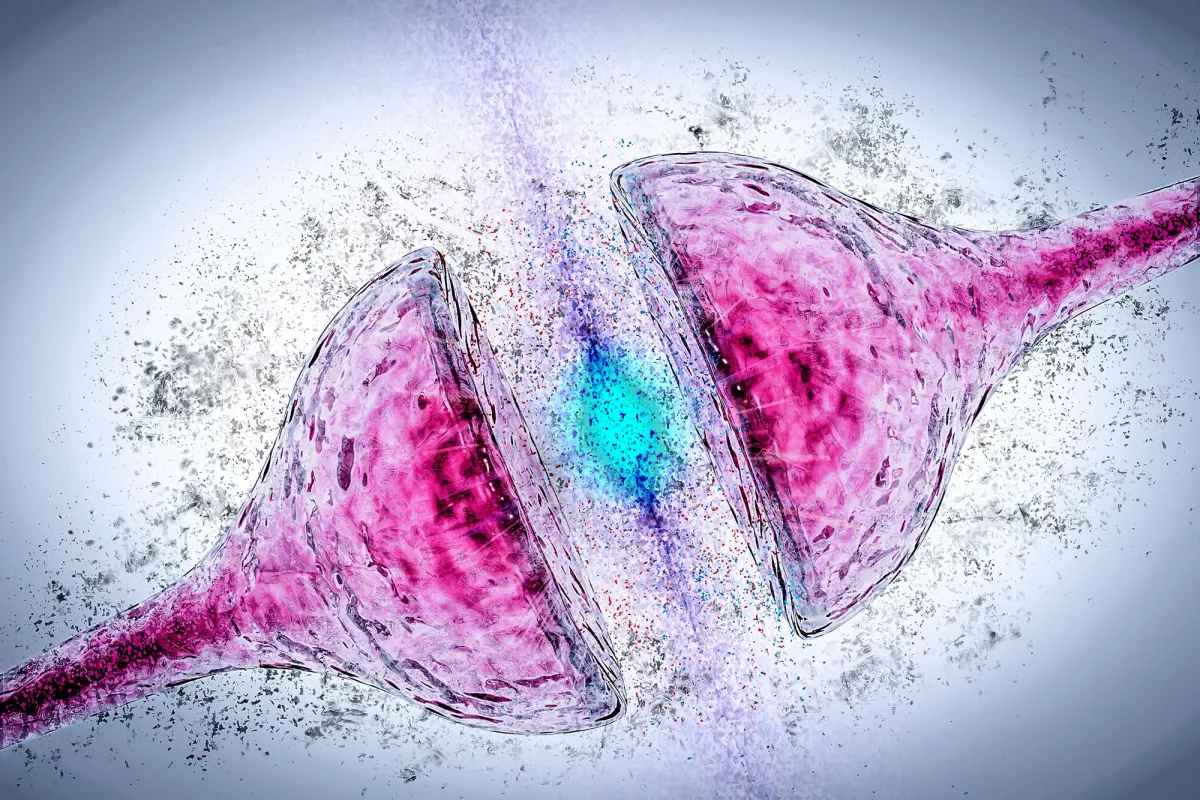
A large study tracking health patterns over years has found something doctors often miss: depression appearing later in life sometimes isn't just a response to getting older. It may be an early warning sign that the brain is changing in ways that won't show up on a diagnosis for years.
Researchers analyzing nationwide health data discovered a distinct pattern. People who eventually developed Parkinson's disease or Lewy body dementia showed elevated depression symptoms well before their diagnosis—sometimes years in advance. The depression didn't fade after diagnosis either; it remained higher in these patients compared to people with other chronic conditions.
What makes this finding stand out is what it rules out. Depression tied to other serious illnesses—conditions that cause real physical limitation and pain—didn't follow the same trajectory. Patients with heart disease, diabetes, or arthritis didn't show the same early spike in depression. This suggests the connection isn't simply emotional distress about being sick. Instead, it points toward depression as a marker of the neurological changes happening beneath the surface.
We're a new kind of news feed.
Regular news is designed to drain you. We're a non-profit built to restore you. Every story we publish is scored for impact, progress, and hope.
Start Your News DetoxThe pattern differs between conditions
Lewy body dementia showed the strongest association with depression, with patients experiencing notably higher rates both before and after diagnosis. Parkinson's disease showed the same pattern, though less pronounced. Researchers believe differences in how these diseases progress and alter brain chemistry may explain the variation.
The timeline matters. Depression rates climbed gradually as diagnosis approached, peaking in the three years immediately before symptoms became clinically visible. This window—where depression appears but the neurological disease hasn't yet announced itself—is where early intervention could make a real difference.
"This doesn't mean everyone with depression will develop Parkinson's or dementia," emphasized Christopher Rohde, the study's lead author. "But it does mean doctors need to pay closer attention when depression appears for the first time in older adults. It warrants monitoring."
While neither Parkinson's disease nor Lewy body dementia currently has a cure, catching depression early matters. Treating it can improve quality of life during the years before and after diagnosis. For people in that window—where depression is present but neurological symptoms haven't yet emerged—that intervention could make the difference between struggling alone and getting support when it's needed most.
The research, published in General Psychiatry in 2025, represents the strongest long-term evidence yet that depression and these neurodegenerative conditions are connected at a deeper level than doctors have traditionally assumed.