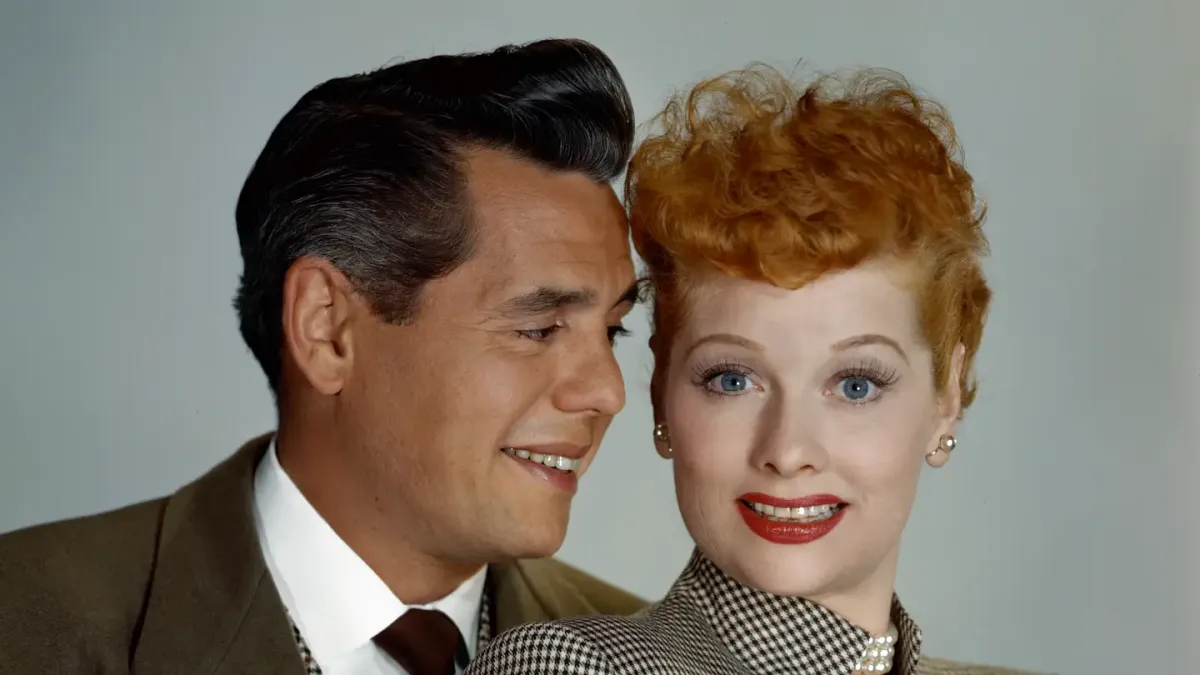
Some love stories are so big, so dramatic, so utterly them, that even divorce can't quite dim the sparkle. Take Lucille Ball and Desi Arnaz. They met, they eloped, they built an empire, and then they divorced. Twenty years of marriage, two kids, and a little show called I Love Lucy later, they were still entwined. And Arnaz's final message to Ball? It was exactly the kind of grand, slightly absurd, deeply touching gesture you'd expect from the man who gave us Ricky Ricardo.
A Final Phone Call and a Standing Ovation
It was November 30, 1986 — their wedding anniversary. Arnaz, a long-time smoker, was gravely ill with lung cancer, just days from the end. Their daughter, Lucie, held the phone to her father's ear while Ball, on the other end, kept repeating, "I love you." Arnaz, ever the charmer, replied, "I love you, too, honey." Then, a classic Hollywood sign-off: "Good luck with your shows."
Three days later, he was gone. But the story didn't end there. A few days after his passing, Ball was being honored at the Kennedy Center. Robert Stack took the stage and read a letter Arnaz had written for her before he died. And oh, what a letter it was.
We're a new kind of news feed.
Regular news is designed to drain you. We're a non-profit built to restore you. Every story we publish is scored for impact, progress, and hope.
Start Your News DetoxArnaz wrote that I Love Lucy's entire purpose was to make people laugh. He then lavished praise on Ball's singular ability to blend wild physical comedy with undeniable feminine charm. If The New York Times ever asked him to divvy up credit for the show's success, he declared, Ball would get 90%. The rest? Everyone else. He called her "the show" and himself, Viv, and Fred "just props." Because apparently, even in the afterlife, Desi was still making sure Lucy got her due.
The Love Story That Changed Television
Their whirlwind romance began on a film set in 1940. Arnaz, reportedly, asked Ball if she knew how to rumba, offering lessons if she'd go out with him. Ball later admitted she'd "never fallen in love with anyone quite so fast." Their phone bills, in those long-distance days, reportedly hit around $29,000. Which, if you think about it, is both impressive and slightly terrifying. She eloped with him that same year, admitting it was the most daring thing she'd ever done, a choice she knew she shouldn't make, which, of course, was part of the attraction.
Their connection wasn't just passionate; it was creatively explosive. In 1950, they launched Desilu Productions, and a year later, I Love Lucy premiered. The show didn't just entertain; it rewrote the rules. It was one of the first sitcoms to center on a woman, to feature a Latino immigrant in a main role, and even to show a pregnant woman on screen. It pioneered the now-standard three-camera format and mastered the art of the rerun. Basically, they invented modern television as we know it.
Their marriage eventually buckled under the weight of Arnaz's struggles and the relentless demands of fame. But even after their civil divorce, they remained in each other's orbit. Many close to them believed they never truly got over each other. It's a testament to a bond that, for all its drama, created something truly unforgettable. And left us with a final, perfectly theatrical mic drop from Desi to Lucy.