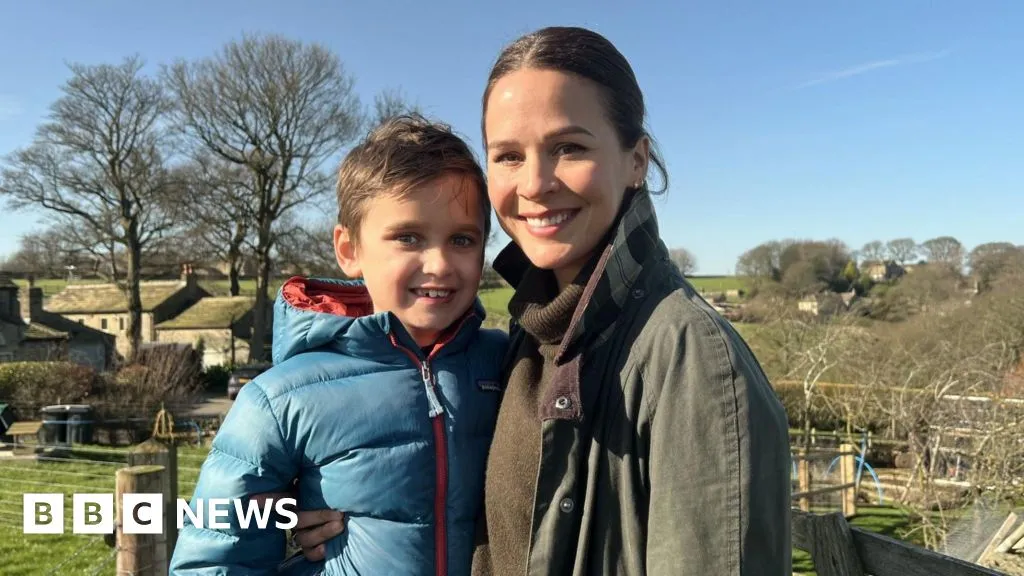
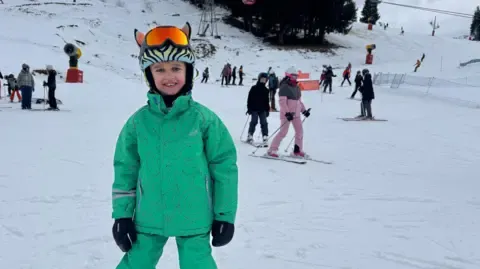
Eight-year-old Freddie Truelove used to have hundreds of seizures a day. Now he has a couple a week. He's skiing, walking around lakes, climbing mountains—things his family once thought impossible.
Freddie has Dravet syndrome, a rare genetic form of epilepsy that affects roughly one in 15,000 babies. Without treatment, it's brutal: dozens of dangerous seizures daily, high risk of injury, and the constant threat of sudden death. There's no cure, and most existing drugs barely slow it down.
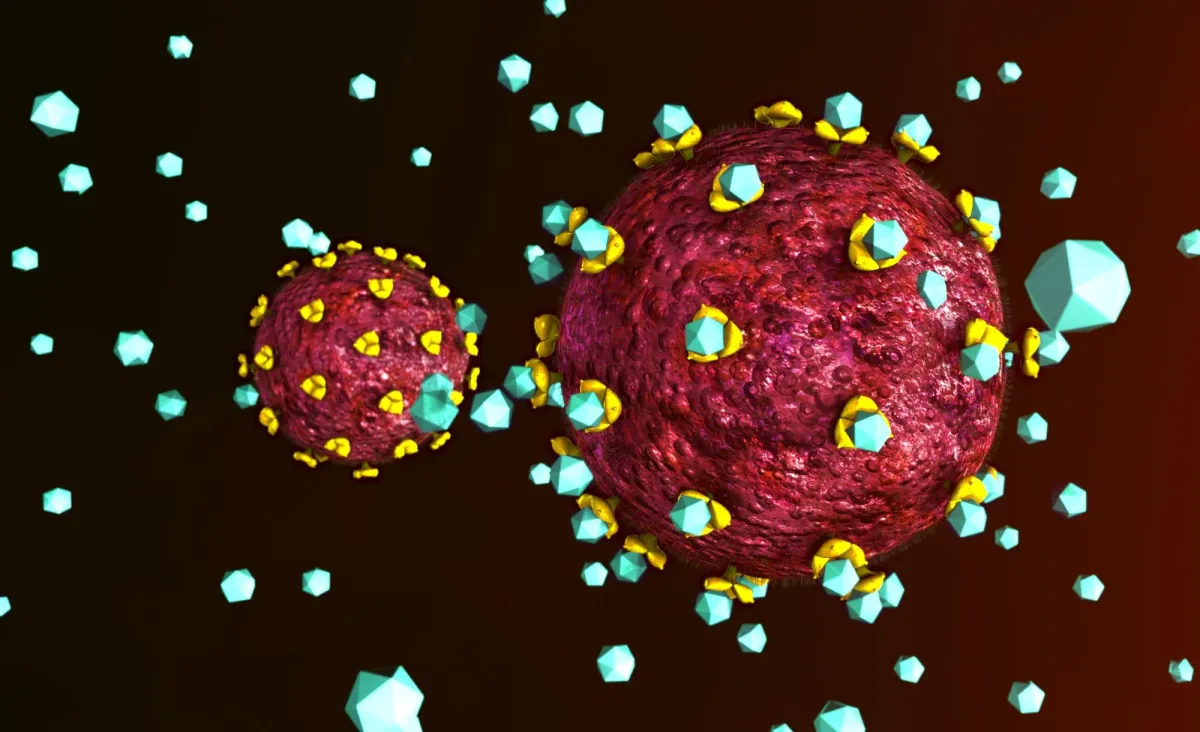
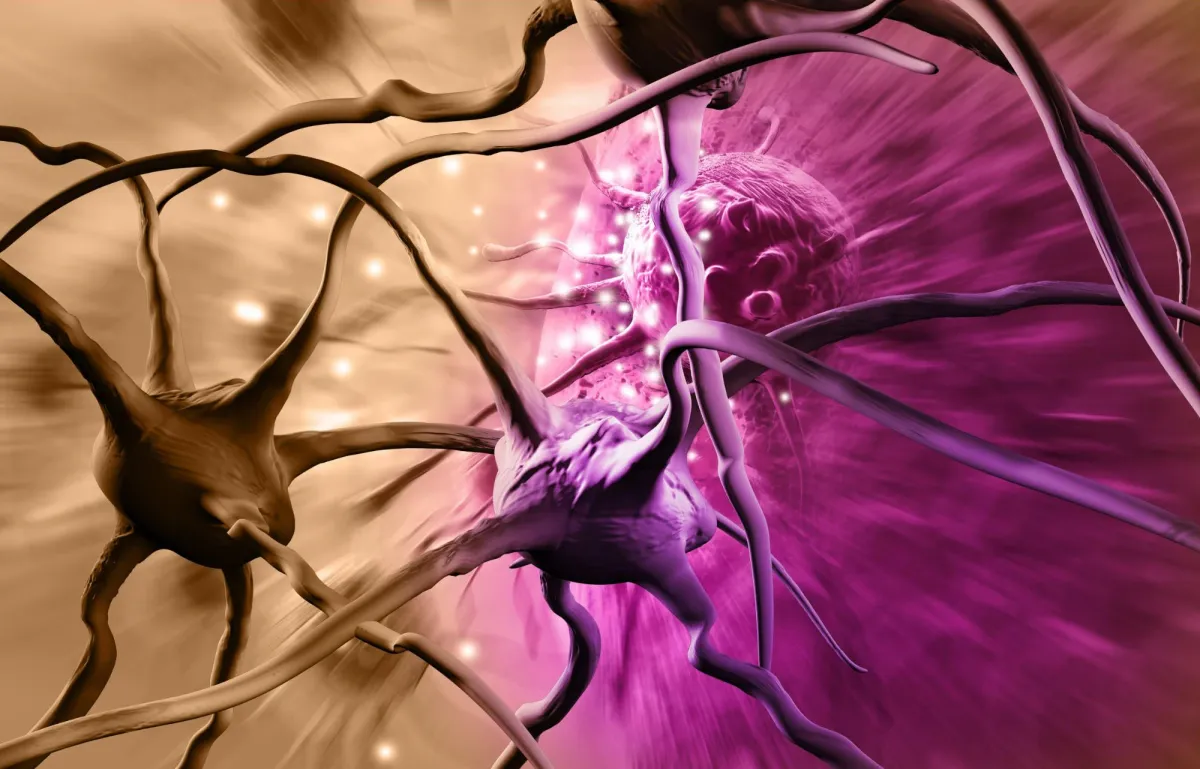
Then came zorevunersen. It's delivered as a single injection into the lower spine, where it travels through spinal fluid to the brain. There, it targets the root cause: a faulty SCN1A gene that leaves neurons unable to produce enough sodium channels—the communication pathways brain cells need to fire properly. The drug essentially tells healthy genes to work harder, ramping up production to near-normal levels.
We're a new kind of news feed.
Regular news is designed to drain you. We're a non-profit built to restore you. Every story we publish is scored for impact, progress, and hope.
Start Your News Detox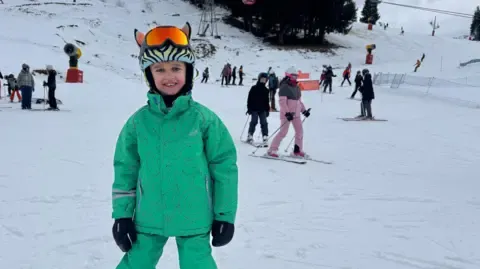
In clinical trials across the US and UK, children on repeated doses saw seizure reductions of up to 90%. Nineteen of the 81 trial participants came from UK hospitals: Great Ormond Street, Sheffield Children's Hospital, The Royal Hospital for Children in Glasgow, and UCL. The results, published in the New England Journal of Medicine, showed the treatment was safe for children as young as two.
Freddie's mum Lauren describes the shift plainly: "We now have a life we didn't ever think was possible." That's not hyperbole. Before treatment, the family's entire existence revolved around managing seizures—hospital visits, medications with harsh side effects, the fear that each fit could be the last. Now Freddie goes to school, plays outdoors, takes holidays. He gets to be a kid.
What makes this significant beyond one family's story is the mechanism. Dravet syndrome is genetic—it's not something you can "manage away" with lifestyle changes or willpower. For decades, the condition was essentially untreatable. Zorevunersen works because it addresses the actual malfunction in the brain, not just the symptoms. That's a fundamental shift in how we approach rare genetic diseases.
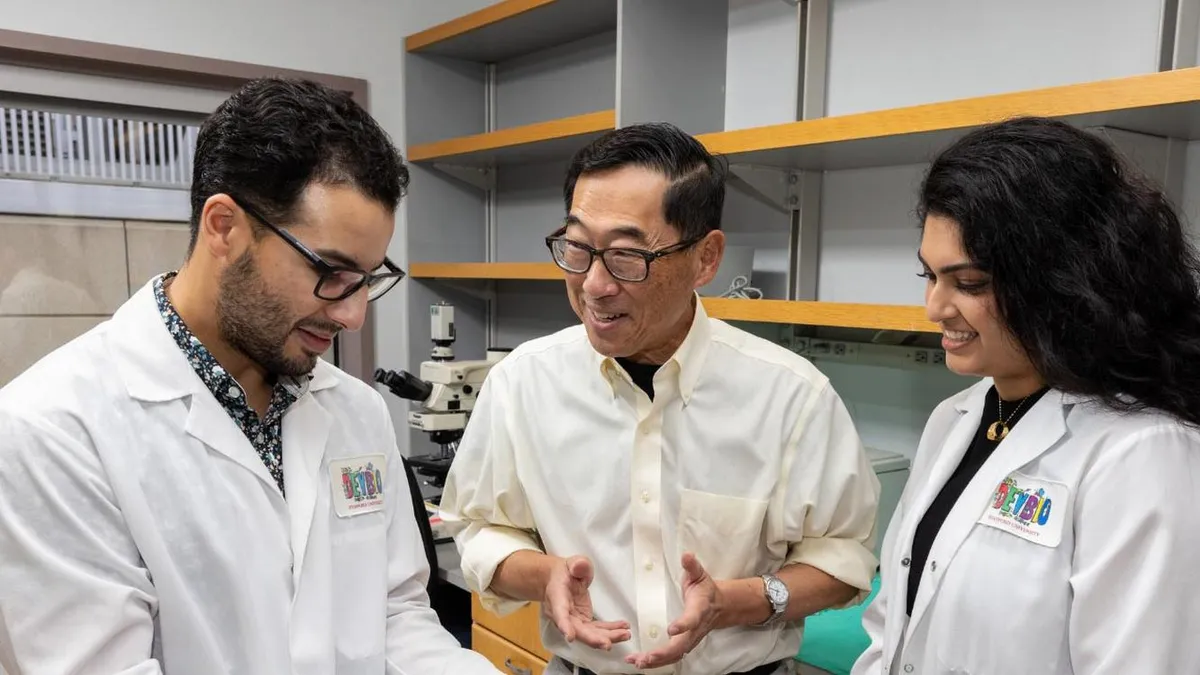
Prof Helen Cross from UCL's Institute of Child Health, one of the lead researchers, notes that early results suggest patients could eventually approach "near normal living" if the treatment continues to work. That's cautious language from a scientist, which means something real is happening.
The next phase is critical. More trials are underway—Phase Three studies will test whether these early results hold up in larger groups and longer timeframes. Approval for wider use depends on that data. But for families living with Dravet syndrome right now, the trajectory has shifted. What was once a death sentence with no alternatives is becoming a treatable condition.
Galia Wilson, chair of trustees at Dravet Syndrome UK, speaks to what this means on the ground: "We regularly see the devastating impact that this condition has on the lives of families." Now, for the first time in many cases, there's something concrete to hope for.