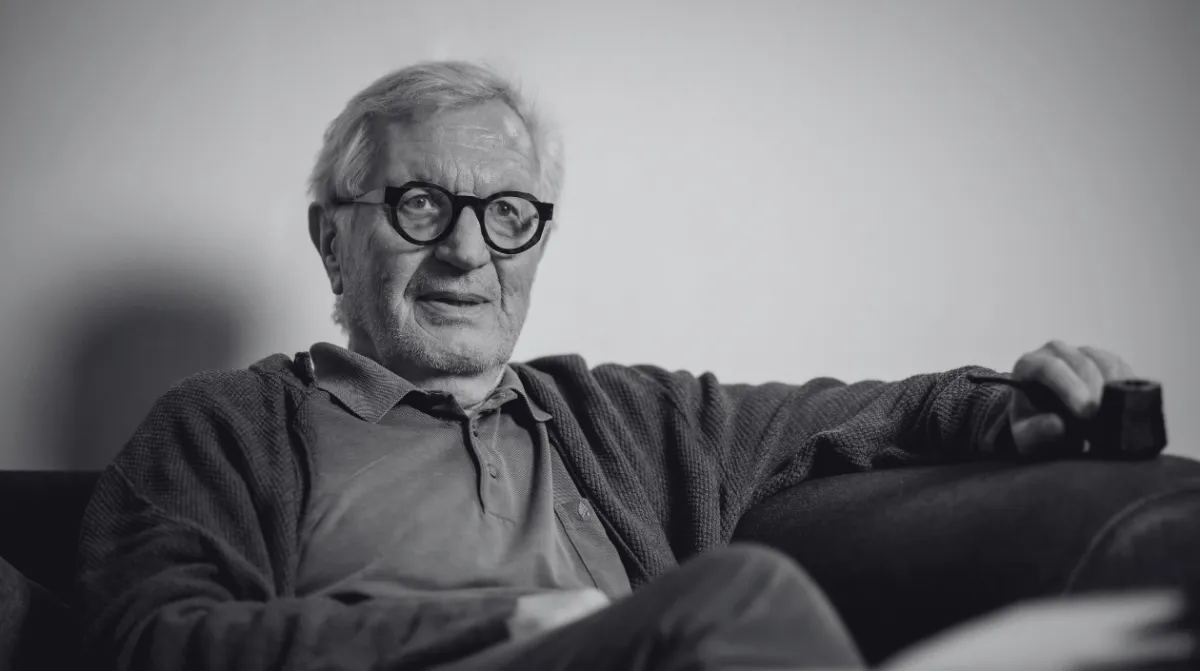
Egidio Marzona, a German-Italian art collector, just passed away at 81. But here's the wild part: he didn't just collect paintings. He collected the thoughts behind them.
Most collectors grab the finished pieces. Marzona went after the "paper trail" — the letters, diagrams, and plans that showed how art movements like Dada and Bauhaus actually came together. Think of it like getting all the director's notes and deleted scenes, not just the movie itself. This approach changed how everyone studies modern art, giving us a peek into the minds of groundbreaking artists.
Giving Art History to Everyone
Marzona believed everyone should see these ideas. Starting in the early 2000s, he began donating huge chunks of his collection to public institutions in Germany. We're talking over 600 artworks and tens of thousands of archival items. These now live in Berlin museums and libraries, with plans to bring them all together in the new Berlin Modern museum. Seriously cool.
We're a new kind of news feed.
Regular news is designed to drain you. We're a non-profit built to restore you. Every story we publish is scored for impact, progress, and hope.
Start Your News Detox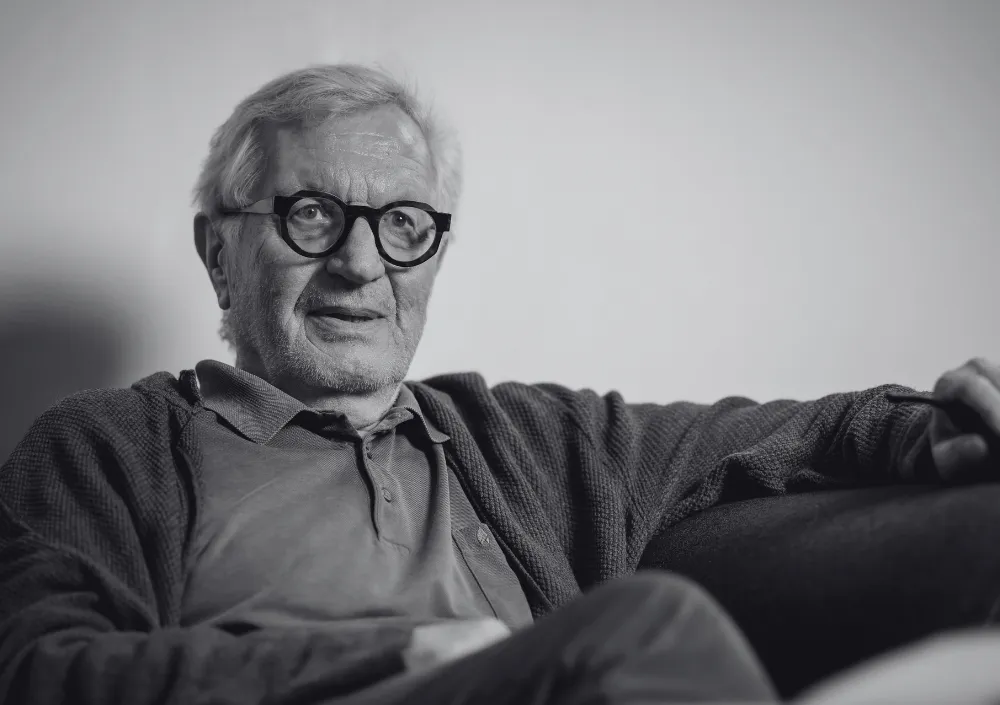
He even gave away super rare artist books from the 1960s by people like Carl Andre and Bruce Nauman. These are almost impossible to find in public collections, but Marzona made sure they were accessible. It's like finding a secret library of art history that no one else knew existed.
Marzona didn't stop there. In 2018, his foundation bought an old castle in eastern Germany. The plan? To turn it into dieDAS Design Akademie Saaleck. This academy brings together top minds in architecture, craft, and design, offering residencies and fostering new creative networks. It's about building the future while honoring the past.
Tatjana Sprick, who runs the program at dieDAS, shared how much Marzona's vision shaped the project. He was all about supporting young artists and designers, creating spaces where big ideas could actually grow. He saw the process, not just the product.
A Legacy of Ideas
Born in Germany in 1944, Marzona started collecting in the late 1960s. He was fascinated by the how of art, not just the what. He opened a gallery, then a publishing house for art books. But his real genius was how he redefined collecting.
It wasn't just about owning stuff. It was about building an intellectual backbone for art and then giving it all away. His legacy is huge in Berlin and also in Dresden, where he donated 1.5 million objects. This led to the Archive of the Avant-Gardes, which just opened in 2024. It's one of the only places in the world to house such a massive "paper trail" of avant-garde art.
Marion Ackermann, who heads the Prussian Cultural Heritage Foundation, said Marzona dedicated his life to capturing the artistic and intellectual movements of an entire century. His collections keep sparking new stories and contexts in museums. He didn't just buy art; he bought its soul and then shared it with everyone.