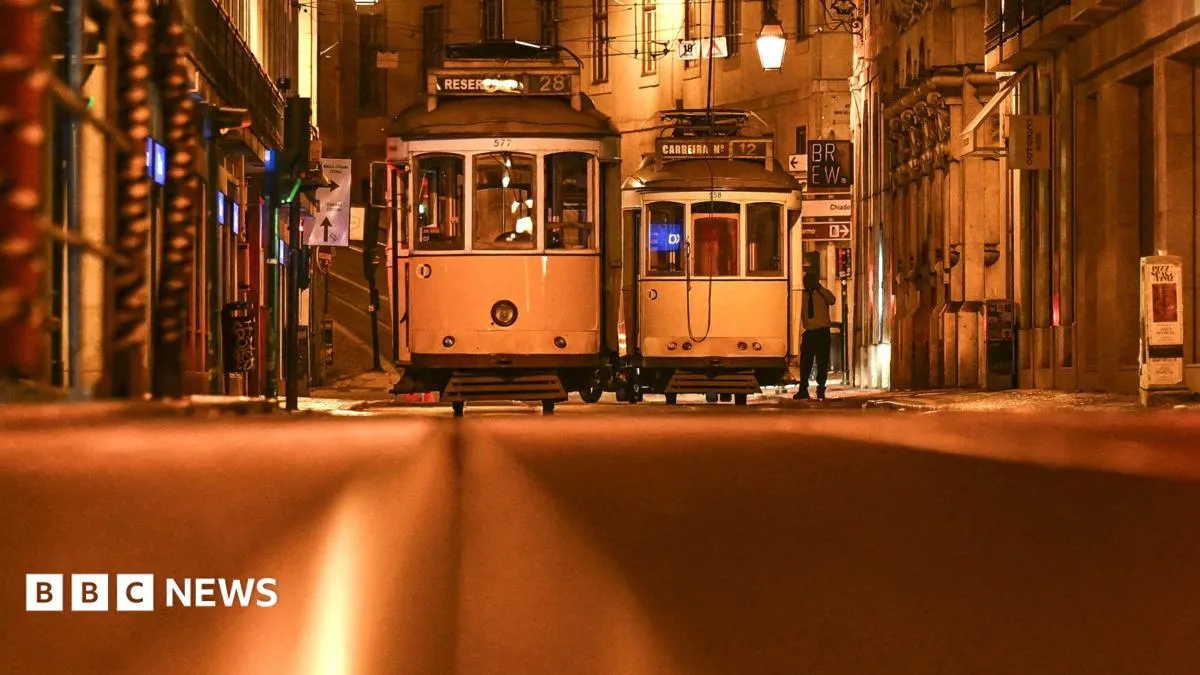
On April 28 last year, a huge power failure plunged Portugal and Spain into darkness for several hours. This event caused widespread chaos and made companies rethink their energy backup plans.
Companies Invest in Battery Backups
Fribin, a Spanish meat processing firm, was in the middle of its morning shift when the power went out. Andrés Altabás, Fribin's technology director, described it as a nightmare. Their emergency systems couldn't handle continuous operation, so they prioritized refrigeration. However, all production lines stopped.
Many tons of meat had to be thrown away, leading to losses of hundreds of thousands of euros. Fribin had considered battery backup systems before, but they seemed too expensive. The blackout changed their minds.
We're a new kind of news feed.
Regular news is designed to drain you. We're a non-profit built to restore you. Every story we publish is scored for impact, progress, and hope.
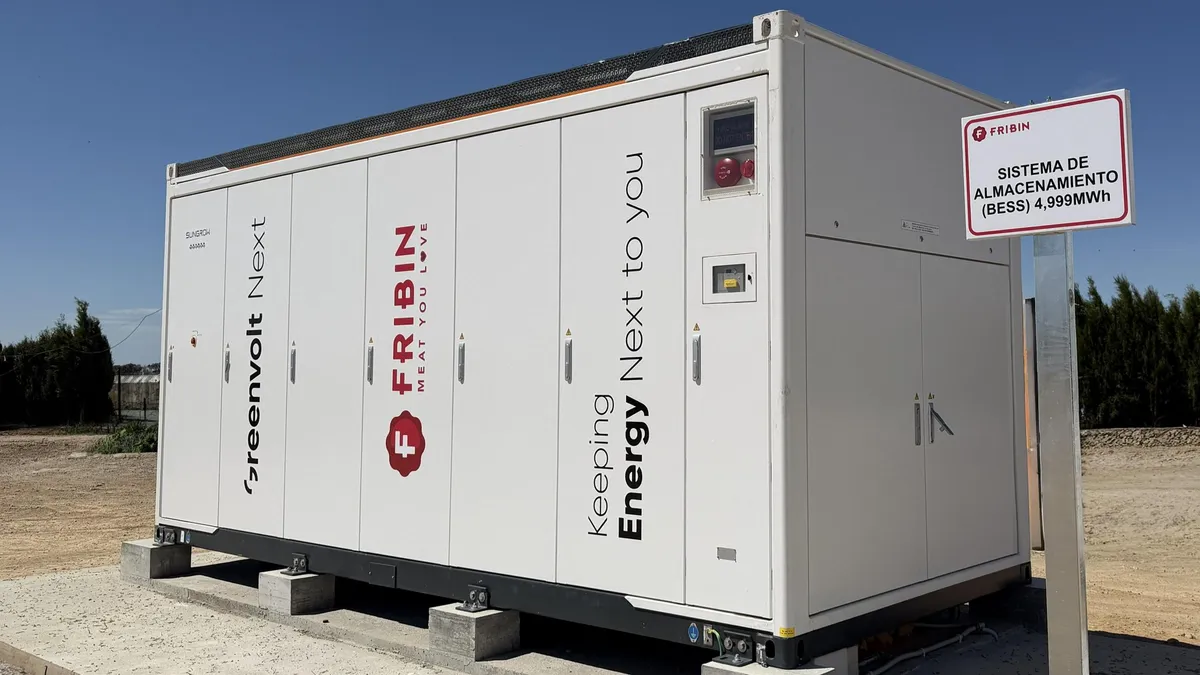
Start Your News DetoxIn June 2025, Fribin bought a five megawatt-hour battery module. They ordered a second one in June 2026. The total investment was about €1.5 million, partly funded by the European Union.
Across Europe, companies are switching from fossil fuels to electricity, often with EU subsidies. While this helps reduce climate-warming emissions, it also makes businesses more vulnerable to power cuts. The blackout in Spain and Portugal highlighted this risk.
Miguel Matias, founder of Self Energy, a Portuguese energy services company, noted that the industrial sector was among the first to seek storage systems. This is because they cannot afford sudden production halts. Even a few minutes of backup can prevent machine damage.
Another incident, Storm Kristin in January, knocked out power and communications for hundreds of thousands in central Portugal. This further spurred investment in backup solutions.
Growing Demand for Battery Storage
Spain's battery storage capacity has increased nearly sevenfold since last April. It grew from about 28 MW before the blackout to 193 MW in April 2026. The grid operator, Red Eléctrica, reported these figures.
More capacity is on the way. In December, Spain's Institute for the Diversification and Saving of Energy (IDAE) awarded €827 million in EU funds. These funds went to 133 energy storage projects, totaling 2,400 MW. About 80% of this is battery storage. This new capacity will be almost 10 times what Red Eléctrica currently has on the Spanish grid.
This is good news for battery suppliers. Alberto Bodegas from Sungrow, a battery storage company, said demand is increasing. Customers now want more advanced features, like seamless backup. This means the switch from grid power to backup happens instantly, without any interruption. This is vital for places like hospitals and data centers.
Buyers also need quick delivery times due to EU funding deadlines. Battery companies are working to meet these shorter deadlines.
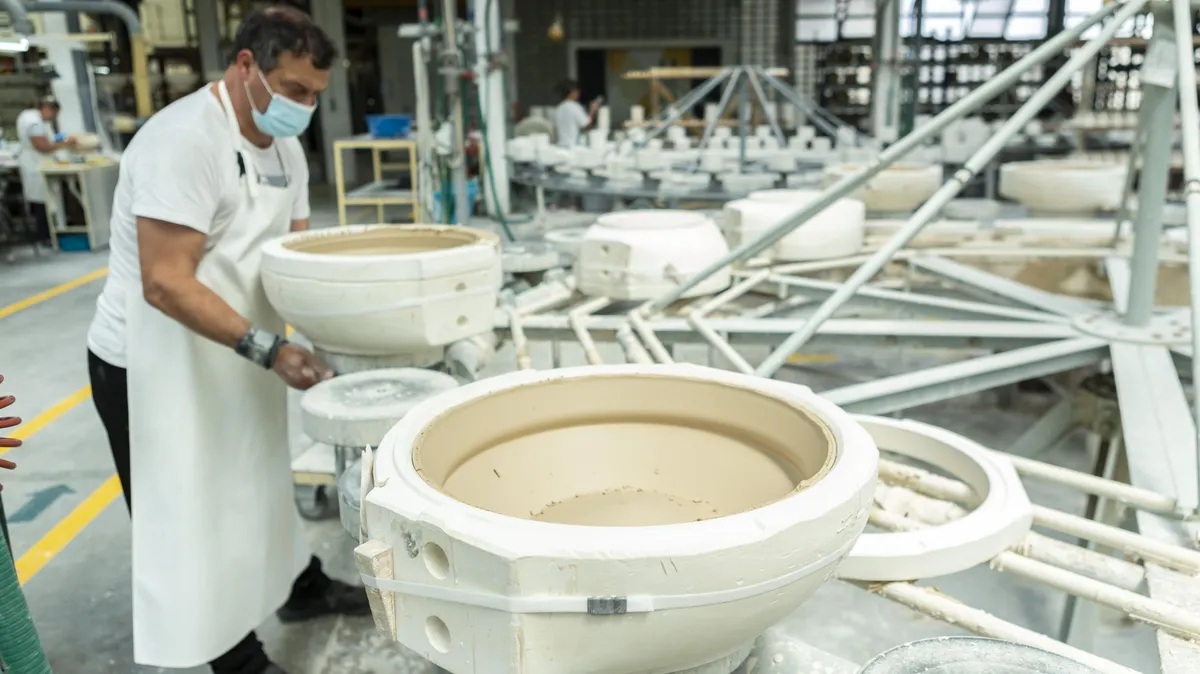
Portugal's Vista Alegre, a major porcelain maker, installed energy storage systems in 2022. They used funds from the EU's Recovery and Resilience Plan. Emília Encarnação of Vista Alegre said the blackout sped up this process. Their facilities now have about 2 MWh of storage capacity.
Encarnação recalled that the blackout caused irreparable losses, especially in plants with continuous production. Batteries offer more than just backup; companies can also sell excess energy back to the grid.
At Primus Ceramics in central Portugal, a diesel generator saved the day during last year's blackout. Their roller kilns, which move materials through industrial ovens, rely on electric motors. The generator kept products moving, minimizing losses.
This experience pushed Primus to make their production more resilient. CEO Paulo Almeida said they already had two batteries installed in 2022 for backup and to sell electricity. By the end of this year, Primus will more than double its battery capacity. This will allow them to store more energy from their solar panels.
Almeida said this will bring reassurance after the stress of last year's blackout. They had to decide whether to stop production or risk waiting for power to return. The power did come back, but it was a close call.