Imagine a material so crucial to your electric car, your robot, or even a defense system, that one country controls almost all of its supply. Now imagine that material is also worth a staggering $5.5 million per tonne. Welcome to the world of terbium oxide.
Good news for Western manufacturers: Energy Fuels, a U.S. company, just got its Utah-made terbium oxide approved by a major Japanese magnet maker. This isn't just a pat on the back; it means the stuff is ready for prime time, no more testing required. Suddenly, the U.S. is a step closer to building its own supply chain for these incredibly important, and incredibly expensive, rare earth magnets.
Terbium is the secret sauce for high-performance permanent magnets, especially the neodymium-iron-boron (NdFeB) kind. It gives them the superpower to resist heat and perform beautifully in everything from EVs to aerospace tech. And because apparently that's where we are now, Western industries and defense sectors are getting a bit antsy about relying solely on China for these critical components.
We're a new kind of news feed.
Regular news is designed to drain you. We're a non-profit built to restore you. Every story we publish is scored for impact, progress, and hope.
Start Your News DetoxUtah's Expensive Dirt
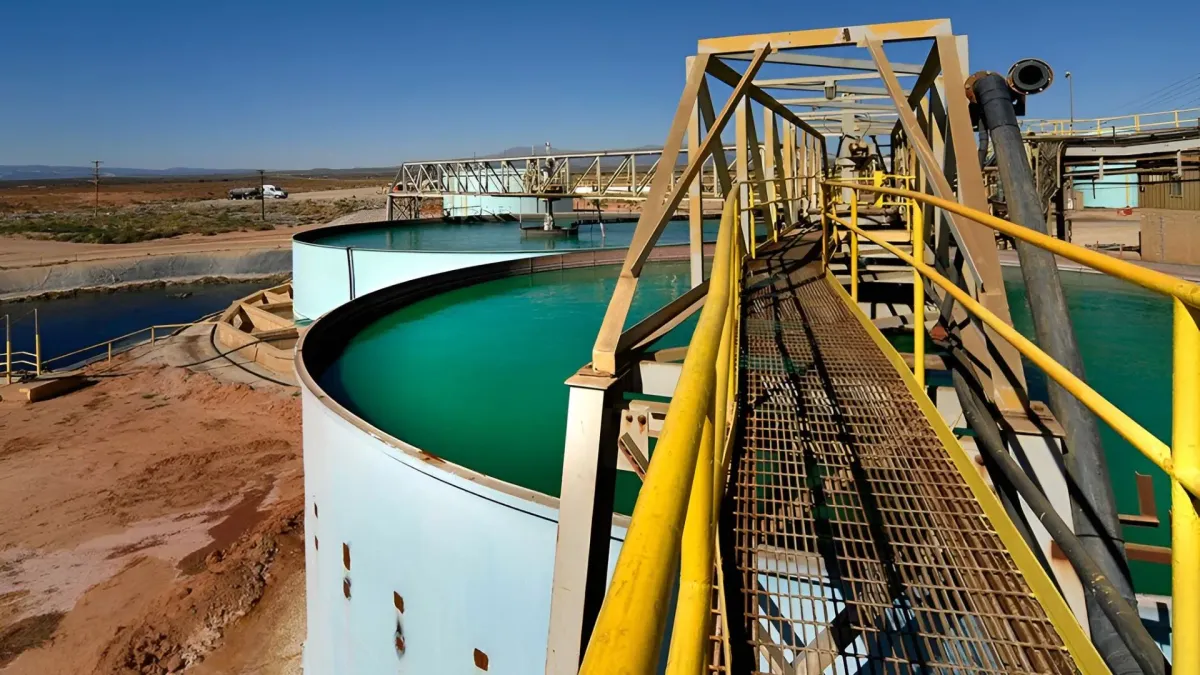
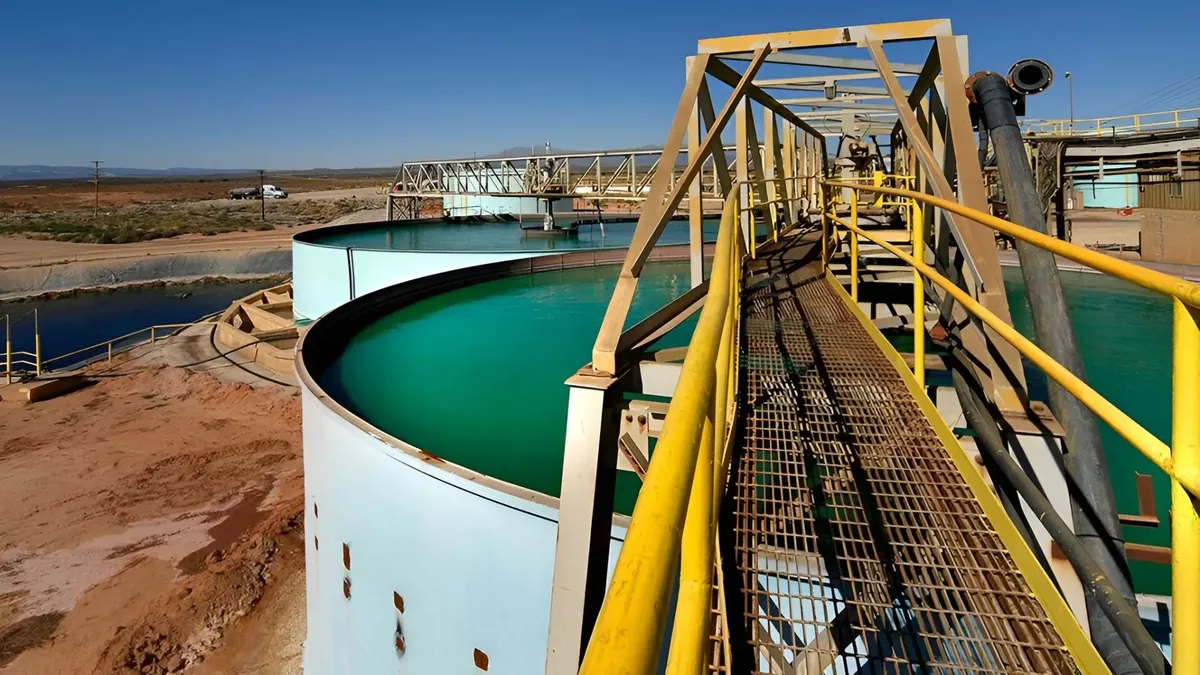
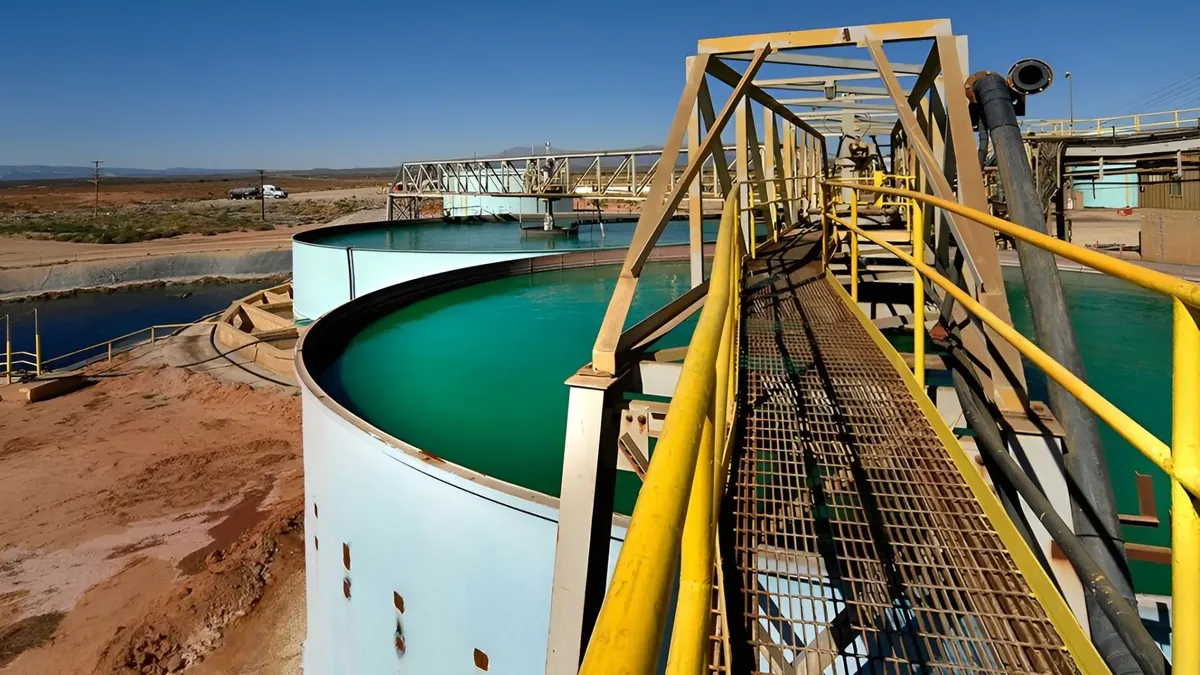
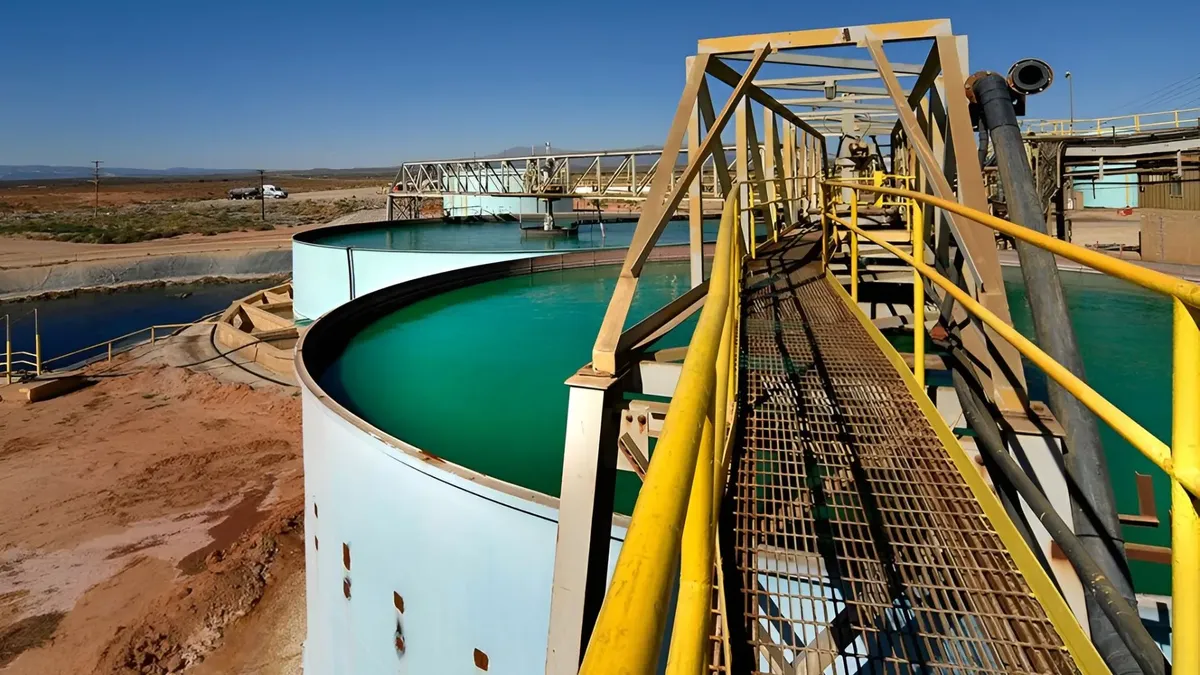
Energy Fuels churns out this precious material at its White Mesa Mill in Utah. This new approval puts them squarely in the ring to compete with Chinese suppliers, who've pretty much had a monopoly until now. The Japanese manufacturer put the Utah-made terbium through its paces, confirming it met their stringent commercial needs. Translation: it's good enough to make very serious magnets.
Ross Bhappu, Energy Fuels' CEO, called it a "significant step" for their heavy rare earth business, which is a polite way of saying they just scored big. He emphasized the high quality of their product and their ambition to supply materials for the future of transportation, advanced electronics, and, naturally, defense.
Let that $5.5 million per tonne price tag sink in. It’s a reflection of just how scarce heavy rare earth materials are outside of China. Energy Fuels had already secured similar approvals for two other magnet essentials: neodymium-praseodymium oxide and dysprosium oxide. Because when you're going after the magnet market, you might as well go all in.
From Mill to Magnet
The White Mesa Mill has historically been a key U.S. site for processing uranium and other critical minerals. Now, Energy Fuels is pushing it to become a rare earth processing powerhouse, with heavy rare earths like terbium leading the charge. This commercial approval is a huge win, because it's one thing to make an oxide, and another entirely for a major international customer to say, "Yep, this works."
But they're not stopping there. Energy Fuels has proposed acquiring Australian Strategic Materials and the German magnet maker Vacuumschmelze (VAC). If these deals go through, they're looking at a fully integrated operation, from mining the raw stuff to processing it, all the way to manufacturing the finished magnets. Imagine that: a "mine-to-magnet" strategy that could give the U.S. and Europe a bit more control over their own high-tech destiny.
China currently dominates most of the world's rare earth processing and magnet supply chain. So, while Energy Fuels still has a few more hurdles to clear on its grand "mine-to-magnet" quest, this terbium approval just took out a major technical one. Which, if you think about it, is both impressive and slightly terrifying for anyone who prefers a diverse supply chain over a single point of failure.