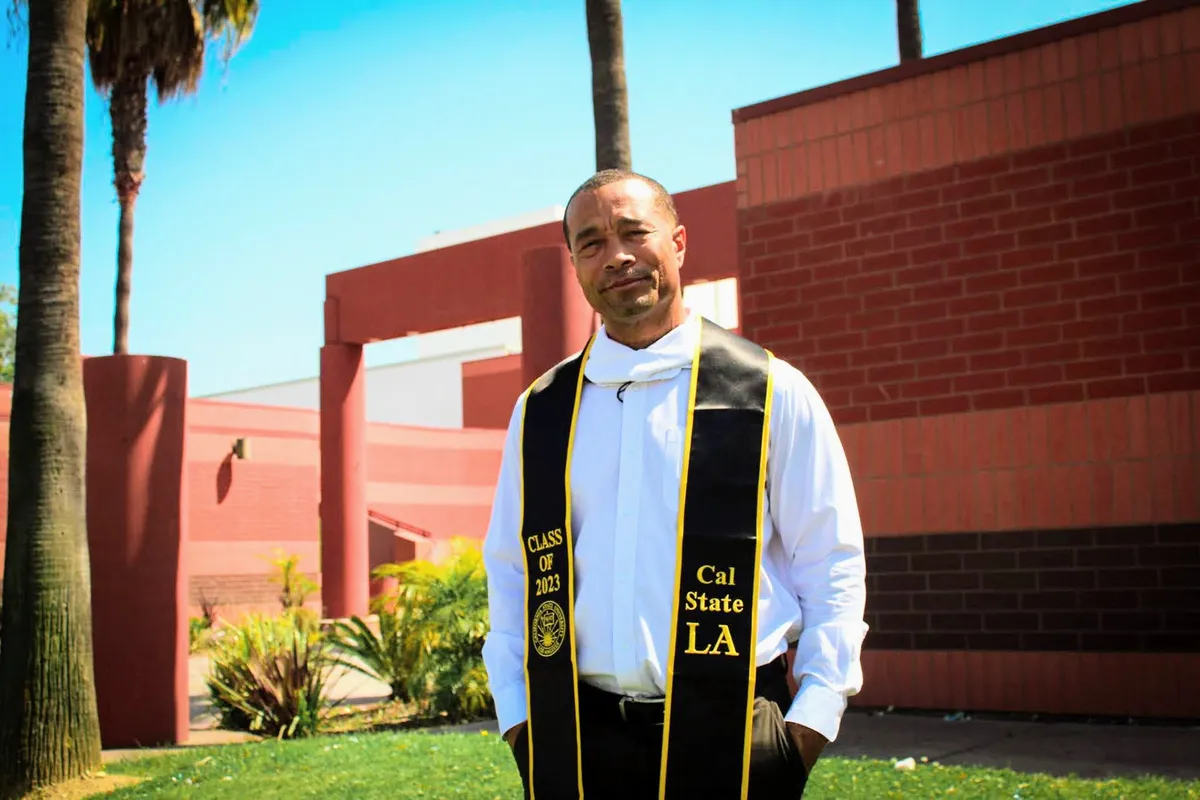
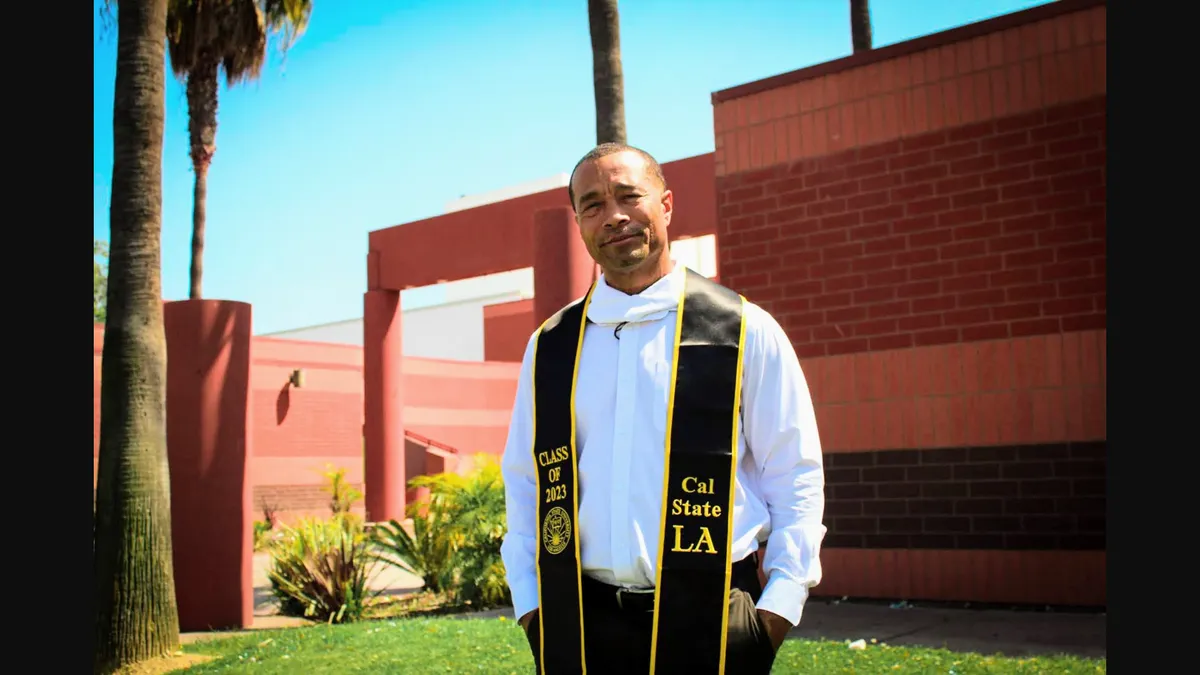
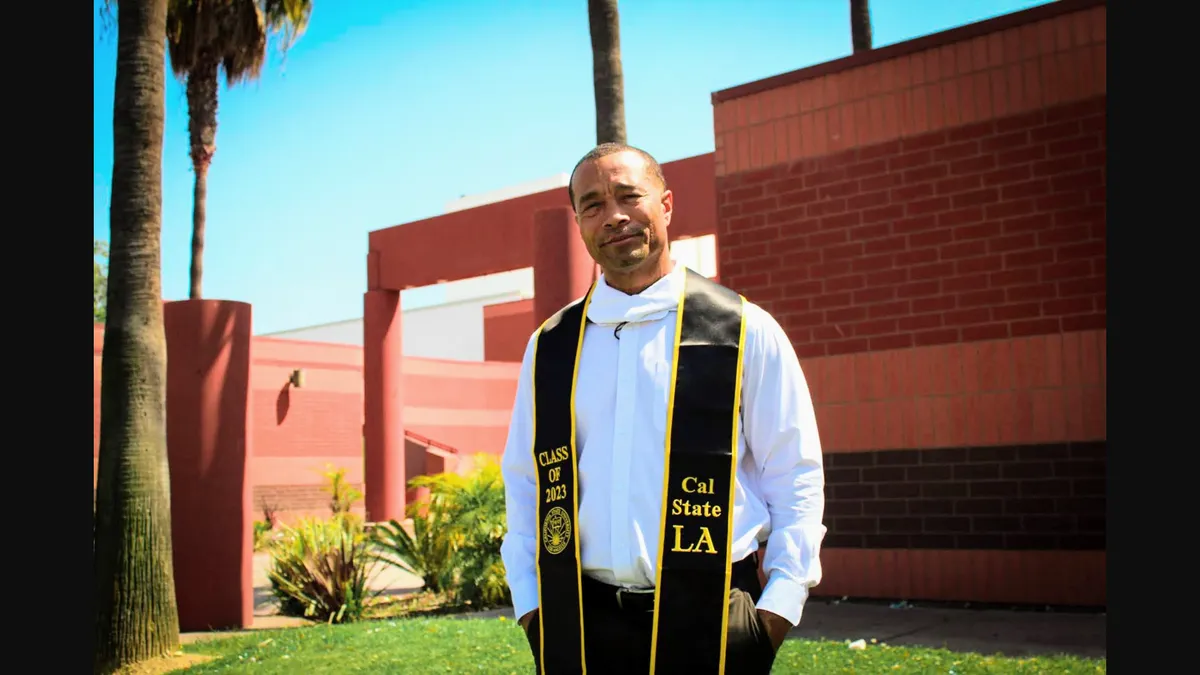
When Allen Burnett left prison after 28 years, he drove straight to the ocean. He just stood there, feeling the air. For most of his life, he never thought he would see that moment.
Burnett entered California's prison system as a teenager in the early 1990s. He was involved in a fatal carjacking and sentenced to life without parole. He believed he would die in prison.
Instead of planning for freedom, Burnett focused on finding purpose inside prison. This choice changed his life and the lives of many others. At California State Prison, Los Angeles County (Lancaster), he earned a college degree with high honors. This was thanks to a special in-prison education program through Cal State. He also found mentors among other prisoners. In 2019, Governor Jerry Brown commuted his sentence, and the parole board found he was no longer a threat.
We're a new kind of news feed.
Regular news is designed to drain you. We're a non-profit built to restore you. Every story we publish is scored for impact, progress, and hope.
Start Your News DetoxToday, Burnett is the co-founder and executive director of Prism Way. This Los Angeles nonprofit trains formerly incarcerated people to become peer support specialists. These mentors help others deal with trauma, addiction, and life after prison. The work comes from the peer-counseling culture Burnett experienced during his own time in prison.
The goal is simple: turn personal experience into healing.
A Mental Health Crisis Behind Bars
California's prison system holds tens of thousands of people with mental health needs. Federal estimates show that 44% of people in jail and 37% in prison have a diagnosed mental illness. This is much higher than the 18% in the general population. More than half also struggle with substance-use disorders. A large study found that nearly half of incarcerated people have a diagnosed mental health condition, including depression, anxiety, and PTSD.
This crisis is especially bad in local jails, like the huge system in Los Angeles County. Advocates say LA County jails are the largest mental health facilities in the U.S. People with mental health conditions often cycle through the justice system instead of getting treatment. Federal oversight has pointed out repeated problems: not enough staff, long waits for psychiatric care, and harsh rules that make mental distress worse.
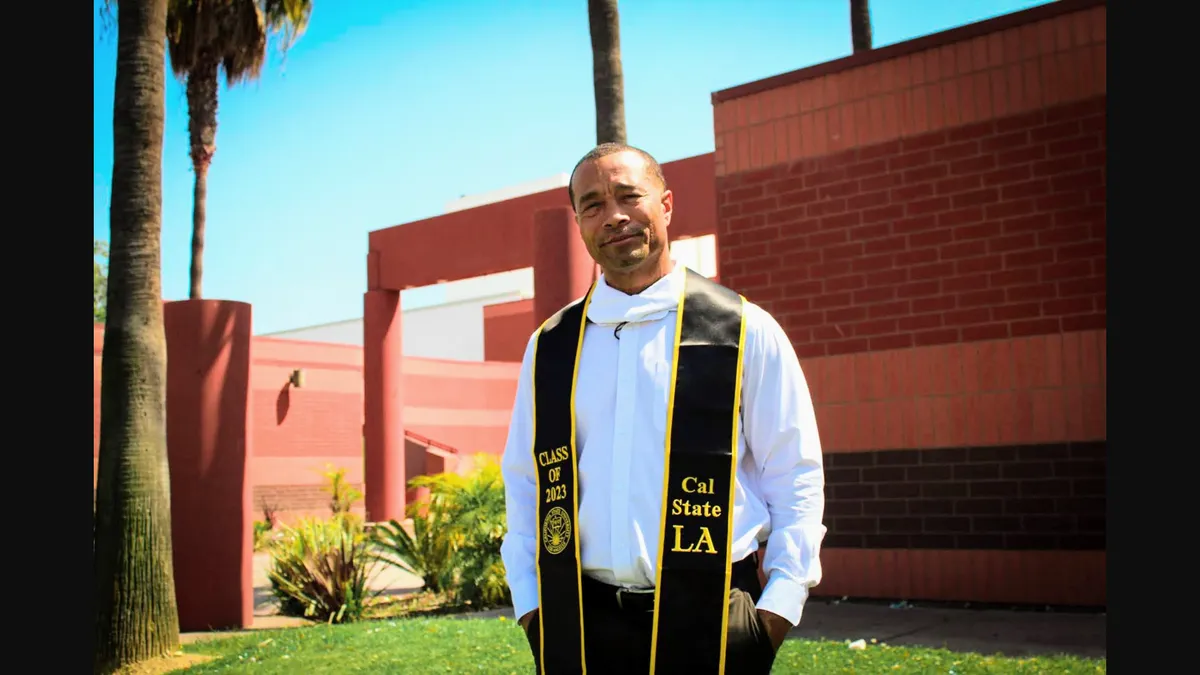
Governor Gavin Newsom has made rehabilitation a key part of prison reform. The California Model, partly inspired by Norway's prison system, focuses on staff training, education, and rehabilitation that mirrors life outside. Peer support is a big part of this. In 2022, the California Department of Corrections and Rehabilitation started training incarcerated people to become peer support specialists. These mentors help fellow inmates cope with trauma and addiction. They fill gaps that formal treatment sometimes misses.
Early results from peer counseling are promising. For example, in the Twin Towers Correctional Facility in Los Angeles, it led to a sharp drop in self-harm. There were also fewer transfers to psychiatric hospitals.
Burnett is relieved by these new efforts. He says, "You can't just lock everybody up and expect them to get better. If you don't help and support them, locking up isn't doing anything."
The Prison That Started Peer Support
Long before the current state initiative, incarcerated men created their own rehabilitation culture in the Towers and at the Lancaster facility.
In the early 2000s, men in Lancaster proposed an "honor yard." In this space, participants promised to reject gang violence, drugs, and racism. They committed to education, self-reflection, and accountability. Inmates created programs like book clubs, victim-awareness courses, and addiction recovery meetings. They invited professors and volunteers to teach classes. Burnett remembers, "The real benefit of Lancaster was the men teaching men. If someone was struggling, we'd walk laps together and talk for hours. It was a space where we could ask for help without shame."
Participants held each other accountable. Small behaviors that looked like gang culture could lead to being removed from the yard. This created a culture where men serving life sentences focused on education, therapy, and personal growth. Many believed they would never leave prison. Burnett faced his own traumas, including finding his father dead from a drug overdose at age five. He also confronted the pain his crimes caused his victim's family.
Burnett says, "Hurt people hurt people. But healed people help people."
Learning to Heal and Help Others
Tyson Atlas was one of the people shaped by Lancaster's peer culture. He was sentenced to life without parole at 16. He says he was so young he didn't understand his sentence. Meeting Burnett was a turning point. Atlas says, "Watching his healing journey helped me see what was possible."
Through peer-led programs, Atlas learned counseling skills, group facilitation, and recovery techniques. He often didn't know these mirrored formal psychological practices. Later, when he studied academic literature, he recognized the concepts he had been practicing.
Atlas earned certification as a substance-use disorder counselor while in prison. In 2024, after his sentence was commuted, he joined Burnett in leading Prism Way's peer support training.
Prism Way, founded in 2021, trains people affected by the justice system to become certified peer support specialists. These specialists are recognized within California's behavioral health system. The program includes about 80 hours of classroom instruction, group discussion, and hands-on learning.
Respect, honesty, and patience are some of the values Atlas writes on the whiteboard at Prism Way. His 23 students listen closely. Most are former lifers like Atlas and Burnett. Others recently became sober or work with at-risk youth. One student, Moises Huerta, was released from prison just five days ago. He met Burnett in Lancaster in a grief support group. He gratefully says Prism Way staff picked him up from his halfway house and showed him how to use a phone after decades in prison. Now he is training to be a peer support specialist to help others.
Peer support specialists do not diagnose conditions or prescribe treatment. Instead, they offer mentorship and emotional support based on their own experiences. Atlas explains, "We harness our lived experience and come alongside people in their recovery. All the years someone spent incarcerated — those experiences can prevent someone else from going down the same path."
For many, certification also provides a career path. This helps overcome employment barriers that often make it hard to re-enter society. Prism Way sometimes waives tuition for those who cannot afford it.
Burnett says, "We know what it's like coming home and navigating the workforce with that stigma. If we don't help them, some might end up homeless or fall back into addiction."
Both students and trainers emphasize that peers reached them when others couldn't. Burnett remembers, "I had counselors who wanted to help me, but they hadn't been in my situation. They hadn't been assaulted, sexually molested, they hadn't lost parents to drug abuse and been around gangs; we didn't speak the same language. They didn't have to go home to the same struggles that I had to."
Shifting Prison Culture
Edwin Cruz, who co-leads the course with Atlas, spent 17 years in prison with a life-without-parole sentence. He struggled with depression, thinking he would die in prison. But he didn't ask for help. He recalls, "As a Southern Hispanic, going to mental health was seen as weakness. You could be targeted for it." Peer-led support changed that. He says, "Having somebody to talk to helped me process trauma, depression and addiction."
Cruz notes that peer support is not a replacement for professional treatment. He says some individuals need multiple levels of care. But programs like Prism Way have changed the culture, making it acceptable to seek help.
He and Burnett first met in prison as members of opposing gangs. Cruz laughs, "We're living proof that this works."
Prism Way's work shows a bigger idea in criminal justice reform. The people closest to the problems of incarceration may also have the best ideas for change. Burnett sums it up: "People closer to the problem are closer to the solution."
Some critics question why inmates should get free mental health care when many Americans cannot afford it. However, California's data suggests these efforts pay off. Calmer inmates mean fewer resources spent on staff and security. According to the Board of Parole Hearings, less than 1% of people released from life-with-parole sentences between 2011 and 2020 were convicted of a new violent crime within three years.
Prism Way now plans to expand beyond Los Angeles. They want to partner with youth programs and juvenile facilities in Orange County. A group starting in early 2026 will train young adults aged 18 to 25. This program will combine skill-building with mentorship and job support.
For Burnett, this mission is very personal. He says, "I don't want people to remember me by my crime. I want them to remember me by the work I've done."