For over 100 years, a 10-foot-long wooden drum sat in a Parisian museum—a relic of colonial theft that the Ebrie people of Ivory Coast had used to warn each other of approaching French soldiers. Last week, France finally sent the Djidji Ayokwe, known as the "talking drum," back home.
The repatriation required an unusual step: a special law had to pass through France's parliament just to return this one object. That's because the drum, like thousands of other looted artifacts in French museums, was classified as part of the nation's public collection—legally untouchable without legislative action.
But this slow process may be about to change. A new bill heading to a vote in France's lower house would streamline restitution of colonial-era artifacts, eliminating the need to pass individual laws for each returned piece. It's a quiet shift that could unlock dozens of repatriations currently stuck in bureaucratic limbo.
We're a new kind of news feed.
Regular news is designed to drain you. We're a non-profit built to restore you. Every story we publish is scored for impact, progress, and hope.
Start Your News DetoxThe talking drum's journey back to Ivory Coast reflects a broader reckoning happening across European museums. For decades, major institutions held onto artifacts taken during colonial periods, treating them as permanent fixtures of their collections. Now, countries are beginning to acknowledge that possession alone doesn't equal rightful ownership—and that some objects belong in the communities that created them.
Elsewhere in the arts
Spain's art world is pushing back against what gallery owners call a crippling disadvantage. On Friday, over 100 artists, gallery owners, and arts professionals staged sit-ins at Madrid's museums to protest the country's 21 percent sales tax on artwork. They chanted the VAT rates of neighboring countries: Portugal at 6 percent, France at 5.5 percent, Italy at 5 percent. The protest, led by Spain's Consortium of Gallery Owners, comes weeks before the major ARCOmadrid art fair and highlights how higher taxes push collectors and artists toward galleries across the border.
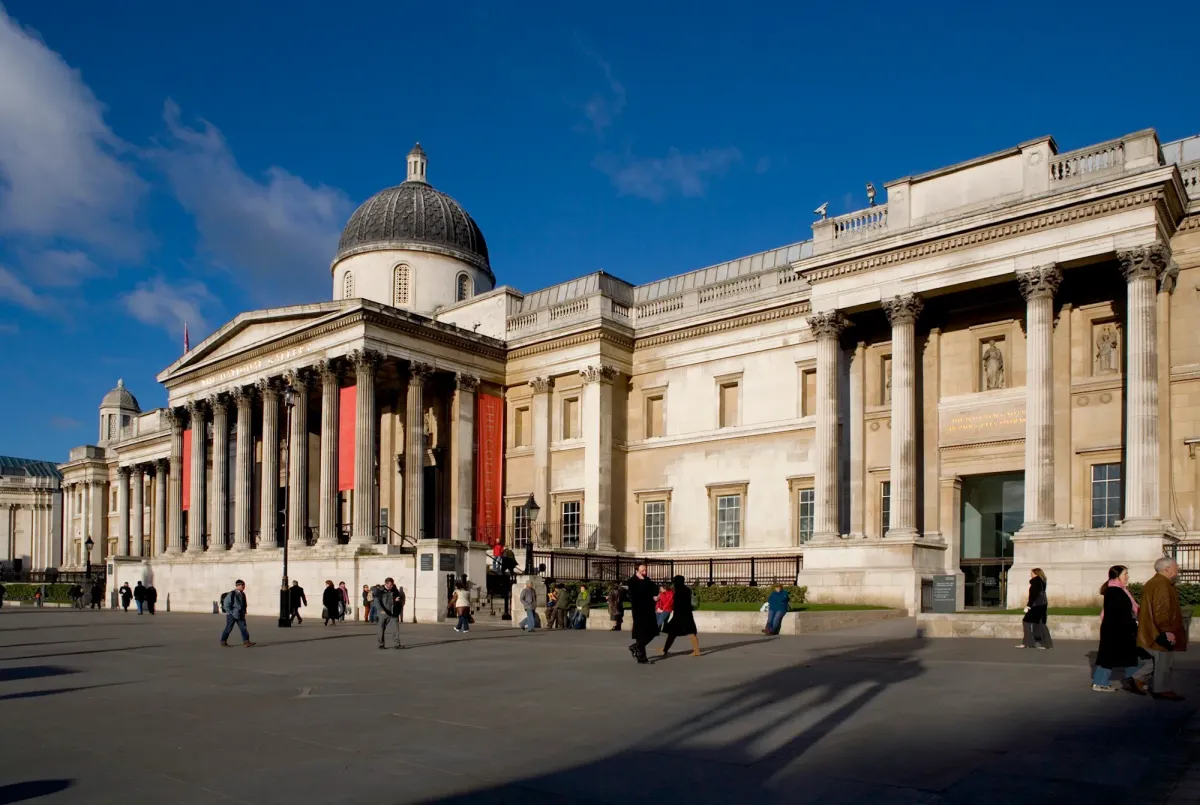
In the UK, museums are facing a question they've long avoided: should they start charging admission. The National Gallery announced an £8.2 million deficit this week, reigniting debate about whether free entry—a point of pride for British cultural institutions—can survive in an era of rising costs. Some museum leaders are now openly considering paid entry, while staff report feeling the strain of budget cuts. Unlike most major museums worldwide, UK national institutions have remained free to visitors for years. That distinction may not last much longer.