You've probably seen bamboo tissue in the eco-aisle and felt good about the choice. Bamboo grows fast, needs no replanting, sounds like the obvious win for the planet. But a new study from North Carolina State University just upended that assumption in a way that matters more than you'd think.
Researchers compared the carbon footprint of bamboo tissue made in China with wood-based tissue from the U.S. and Canada. The result: bamboo tissue from China actually generates about 31% more emissions — roughly 2,400 kilograms of CO2 equivalent per ton, compared to 1,824 for American wood-based tissue.
Before you feel duped, here's the plot twist. The problem isn't bamboo itself. It's not even really about the plant at all.
We're a new kind of news feed.
Regular news is designed to drain you. We're a non-profit built to restore you. Every story we publish is scored for impact, progress, and hope.
Start Your News DetoxEnergy matters more than fiber
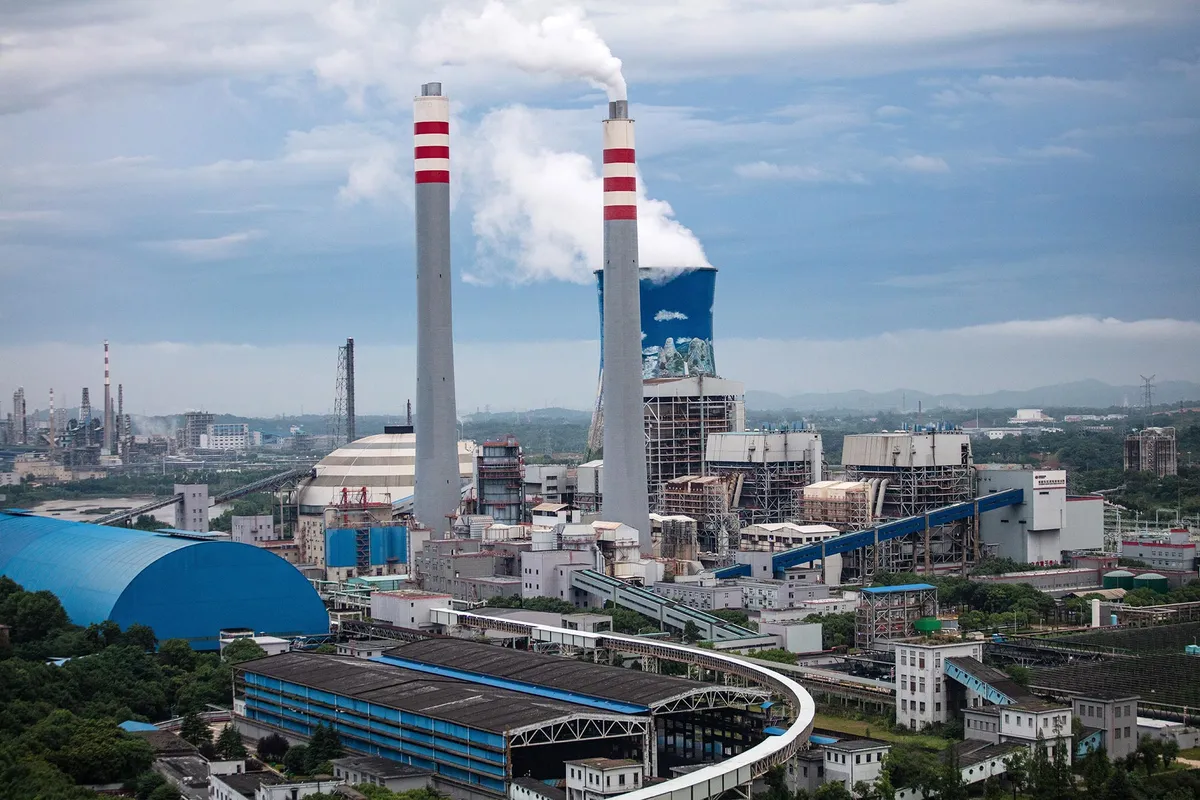
The culprit is electricity. China's power grid runs largely on coal. When bamboo tissue mills fire up their equipment, they're drawing power from a system that's fundamentally dirtier than North America's energy mix. That single factor — the source of the power running the machinery — outweighs everything else.
"The technology used to create hygiene tissue paper is far more important than the type of fiber it's made from," said Naycari Forfora, the study's lead author. "Because the Chinese power grid is so reliant on coal for power, emissions throughout the entire tissue supply chain are higher."
This is actually important because it reframes the whole conversation. Bamboo isn't inherently worse than wood — they're processed nearly identically. Consumers often imagine bamboo as "tree-free," but the wood used for conventional tissue is planted and harvested with the same care. The real difference is where the mills are located and what powers them.
When researchers modeled bamboo tissue produced in regions with cleaner electricity, the emissions gap narrowed significantly. That's the real story: manufacturing location and energy systems matter far more than which plant you're turning into tissue.
Bamboo tissue also underperformed on other environmental measures when made in China — smog formation, respiratory effects, ecotoxicity — but again, these gaps closed when cleaner power was available.
What this means for decarbonization
The research, published in Cleaner Environmental Systems, comes from the Sustainable & Alternative Fibers Initiative at NC State, a collaboration of over 30 partners across industry, academia, and government. Their work suggests that if we want to actually reduce the environmental impact of everyday products, we should be focusing less on which raw material we're using and more on where and how it's being made.
This doesn't mean bamboo tissue is bad — it means the real lever for change isn't in the checkout aisle. It's in the power grids that run the factories. As China continues to shift toward renewable energy (which it is, at scale), bamboo tissue made there will look increasingly competitive. The same goes for any product manufactured in a place moving toward cleaner electricity.
The takeaway for conscious shoppers: the greenest tissue is the one made where clean energy is powering the mill, regardless of fiber type. And that changes as energy systems change.