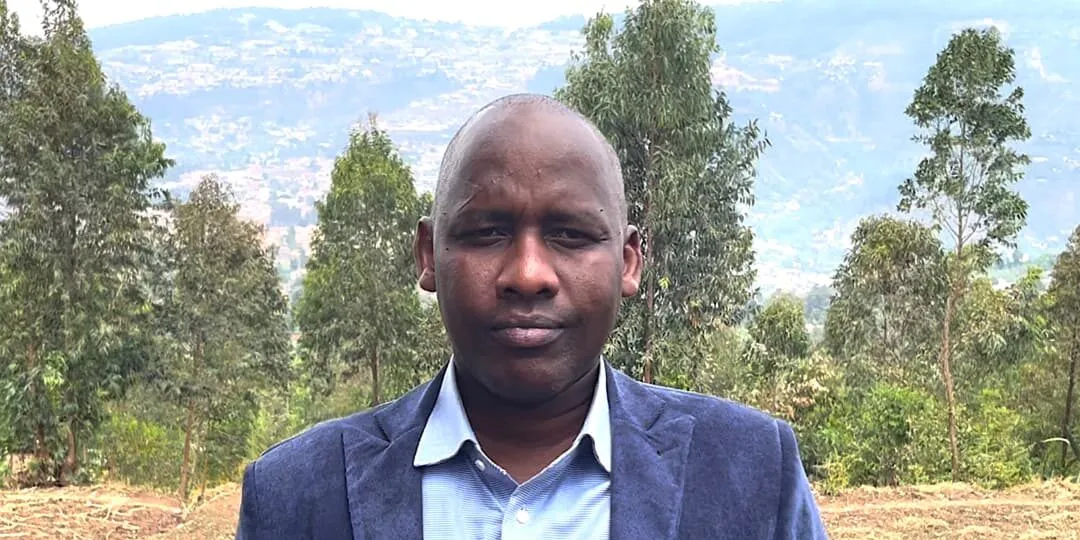
Aimable Twahirwa has spent 25 years chasing stories that most newsrooms ignore. Wildlife disappearing from protected reserves. Climate shifts reshaping farming seasons. Scientific discoveries buried under political noise. Now, based in Kigali, Rwanda, he's bringing that hard-won expertise to Mongabay's coverage of Central and West Africa — a region where environmental reporting often gets drowned out by the louder crises elsewhere.
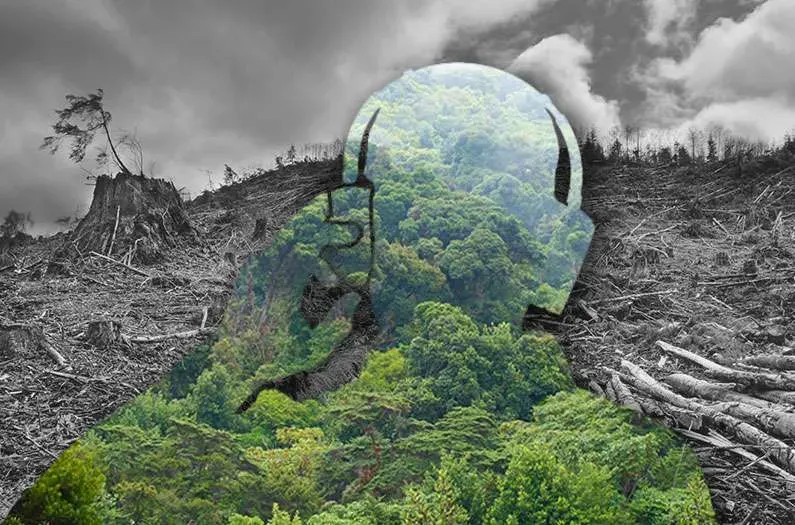
Twahirwa's work sits at the intersection of two urgent problems. One is ecological: the Congo Basin and surrounding regions are home to some of the planet's most biodiverse landscapes, and they're under pressure from deforestation, mining, and climate change. The other is informational: local and international audiences rarely hear the full picture of what's happening, leaving a vacuum that misinformation and denial rush to fill.
"Countering misinformation and science denial is critical to bolster public trust," Twahirwa says. It's not a small concern. When communities don't trust the news they're hearing about environmental threats, they're less likely to support the policy changes or conservation efforts that might actually work. Journalism becomes a tool for resilience — for both ecosystems and the institutions meant to protect them.
We're a new kind of news feed.
Regular news is designed to drain you. We're a non-profit built to restore you. Every story we publish is scored for impact, progress, and hope.
Start Your News DetoxWhat drives Twahirwa's reporting is less abstract. He's drawn to what he calls "impact stories" — the kind that don't just document a problem but create space for solutions. A story about a new wildlife corridor might reach a government official or conservation funder in a position to act on it. A feature on climate-adapted crops might inform farmers' decisions next planting season. The reporting itself becomes part of the change.
Before joining Mongabay in September 2024, Twahirwa had already built a track record across regional and international outlets — Nature, Inter Press Service, Thomson Reuters Foundation, SciDev.Net — covering development challenges across Rwanda, Central Africa, and East Africa. He's worked in multimedia formats and long-term investigative projects, the kind of work that requires patience and depth.
That experience matters now more than ever. Africa's environmental challenges are real and urgent. So is the need for reporting that cuts through noise, builds trust, and reaches the people who can actually do something about it.