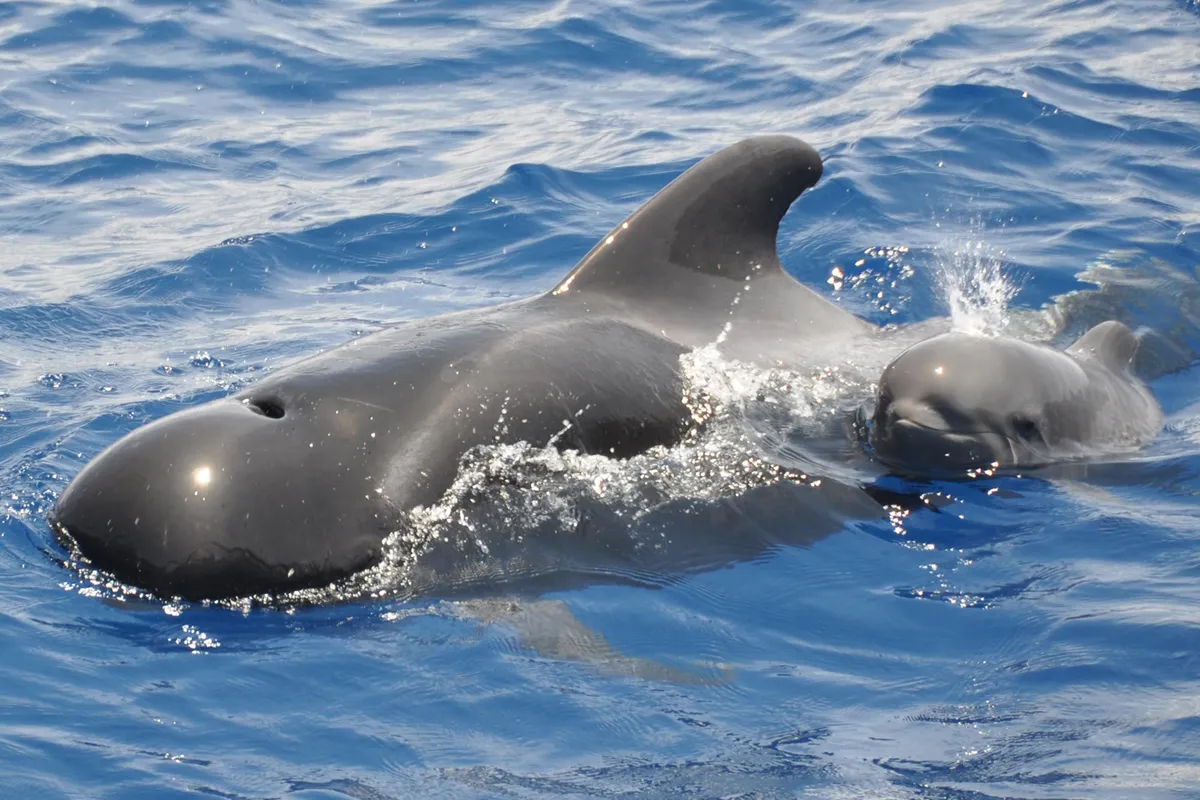
Scientists have found two previously unknown viruses living in short-finned pilot whales and orcas in the Caribbean, expanding what we know about viral life in the ocean.
An international research team identified the viruses — named shofin circovirus and orcin circovirus — by analyzing tissue samples from deceased whales using high-throughput sequencing. Five complete genomes came from pilot whales, two from orcas. It's the first time these circoviruses have been detected in cetaceans in this region, and it suggests these viruses are more widespread in ocean life than previously understood.
What Makes These Viruses Different
What caught researchers' attention wasn't just that the viruses were new, but how they're built. The outer protein shell of each virus has an unusually expanded region called the E-F loop — nearly twice as long as the same structure in porcine circovirus 2, one of the most studied circoviruses we know. This architectural difference hints that whale and orca viruses have evolved distinct characteristics, forming their own genetic branch within the circovirus family.
We're a new kind of news feed.
Regular news is designed to drain you. We're a non-profit built to restore you. Every story we publish is scored for impact, progress, and hope.
Start Your News DetoxThe discovery matters because it reveals how little we still understand about ocean microbiology. Viruses shape the health of entire ecosystems, yet most remain invisible to us. Finding new ones in large marine mammals suggests there's an entire viral landscape in the ocean we've barely begun to map.
The Open Questions
What remains unclear is whether these viruses harm the whales carrying them. Earlier research on beaked whale circovirus suggested a possible link to weakened immune systems, which would align with what we know about circovirus infections in land mammals and birds. But the researchers are careful not to overstate the evidence. They emphasize that much more work is needed to understand how the viruses spread between whales, whether they cause disease, and what role they play in cetacean populations.
This is typical of early-stage viral discovery — you find something new, catalog its basic features, then spend years understanding what it actually does. The next phase will likely involve researchers studying living whales and looking for patterns between virus presence and animal health. That work could take years, but it's the only way to move from curiosity to genuine understanding.