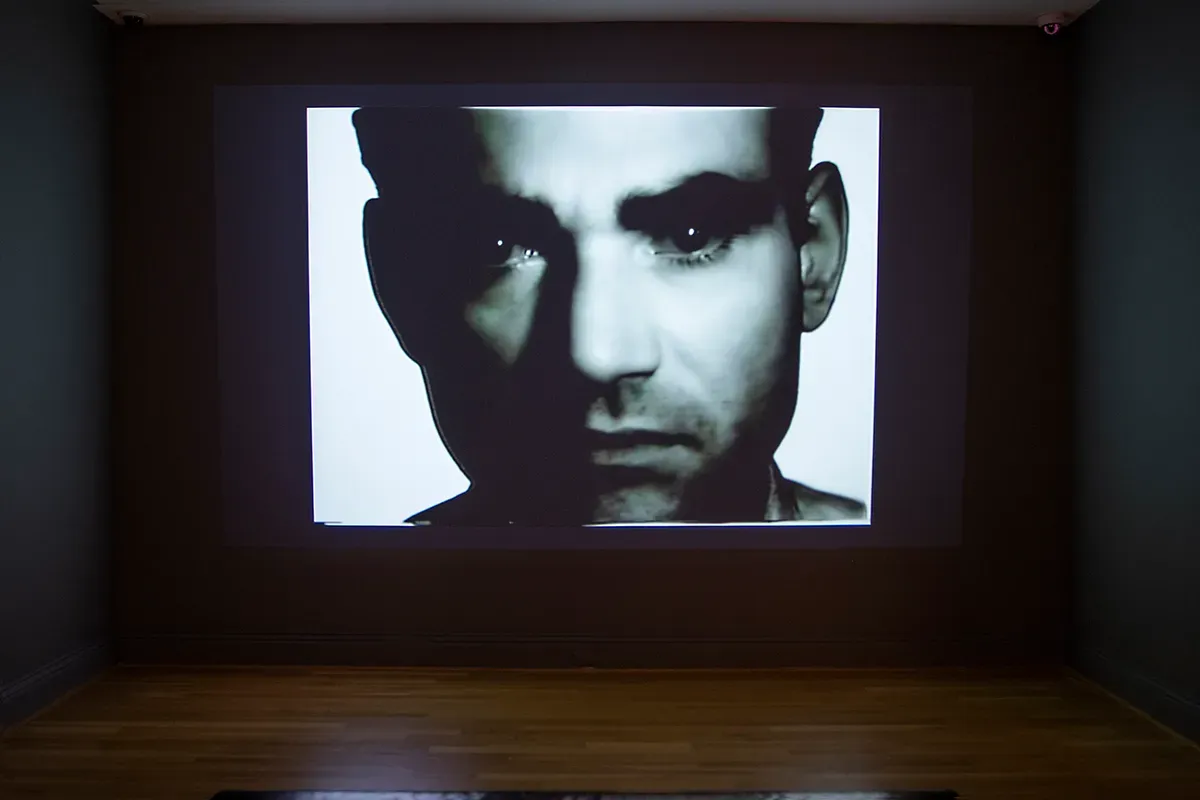
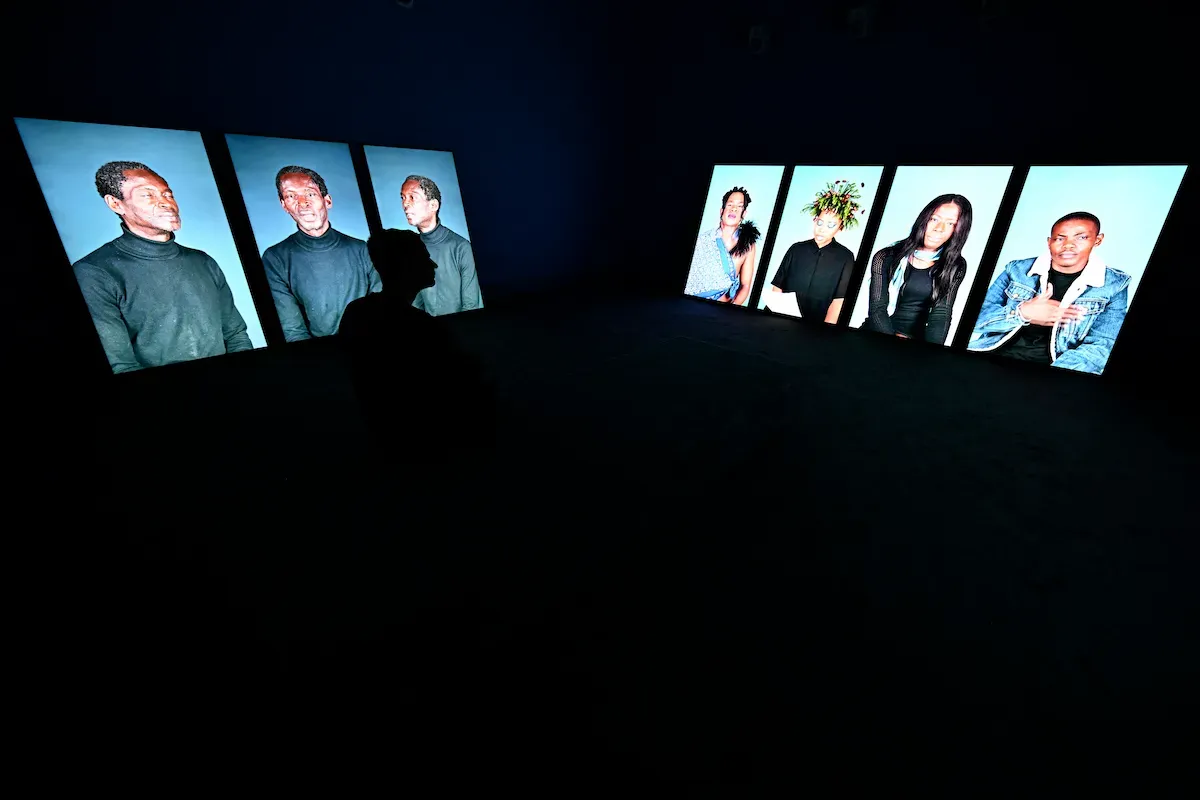
Gabrielle Goliath was supposed to show her work at the Venice Biennale this year. Then South Africa's culture minister canceled the entire pavilion, citing what he called "polarizing" content—a performance piece from her Elegy series that addressed Israel's war in Gaza.
Now Goliath and curator Ingrid Masondo are taking the government to court. They filed an application with South Africa's high court in Pretoria, arguing that the cancellation violated the constitution. If they win, the pavilion could still happen.
What actually happened
Culture Minister Gayton McKenzie's official reason shifted after the cancellation became public. He first objected to the political content of Goliath's work, then pivoted to claim that unnamed foreign interference had compromised the pavilion's organization. Israeli media reported the foreign nation was Qatar, though South African outlets have questioned that narrative—the Qatar Museums had apparently expressed interest in acquiring Goliath's work after seeing it exhibited, which is a different thing entirely from orchestrating interference.
We're a new kind of news feed.
Regular news is designed to drain you. We're a non-profit built to restore you. Every story we publish is scored for impact, progress, and hope.
Start Your News DetoxThe dispute sits at the intersection of several tensions: artistic freedom, government censorship, and the messy reality of how international art institutions navigate geopolitical conflict. Goliath's work engages directly with Gaza, which has become a flashpoint in cultural institutions worldwide. Museums, biennales, and galleries have faced pressure from multiple directions—some demanding they take political stances, others demanding they stay silent.
What makes this case notable is that it's being fought through constitutional law, not just public opinion or institutional pressure. Goliath and Masondo aren't asking for sympathy; they're arguing that the government's actions violated South Africa's constitutional protections for freedom of expression.
Meanwhile, the status of South Africa's presence at Venice this year remains unclear. A 30-artist collective called Beyond the Frames has been in discussions with the culture ministry about a potential contribution to the Biennale, though they haven't released details about what that might look like.
The outcome of the court case could set a precedent for how governments justify canceling cultural projects—and whether "political content" is enough grounds to do so.