Judges have narrowed down 2,129 images from over 500 photographers to a shortlist of 100 pictures. These photos are competing in the 2026 Australian Geographic Nature Photographer of the Year (AGNPOTY) competition.
The contest is now in its 23rd year. It draws top nature photographers from across Australia. They submit images in 10 categories, including Animals in Nature, Animal Behaviour, Botanical, Macro, Landscape, and Threatened Species.
Samantha Hamilton, Director of the South Australian Museum, praised the entries. She noted the images are "incredible" and share "beautiful and poignant" messages about the environment.
We're a new kind of news feed.
Regular news is designed to drain you. We're a non-profit built to restore you. Every story we publish is scored for impact, progress, and hope.
Start Your News DetoxThe winners will be announced on August 27. An exhibition of the shortlisted images opens on August 29 at the South Australian Museum. A People’s Choice award will follow in January 2027.
Ross Gudgeon, a 2025 winner and 2026 judge, said the standard was "extremely high." He explained that attention to detail made the difference in selecting the final 100 photos.
Featured Finalists
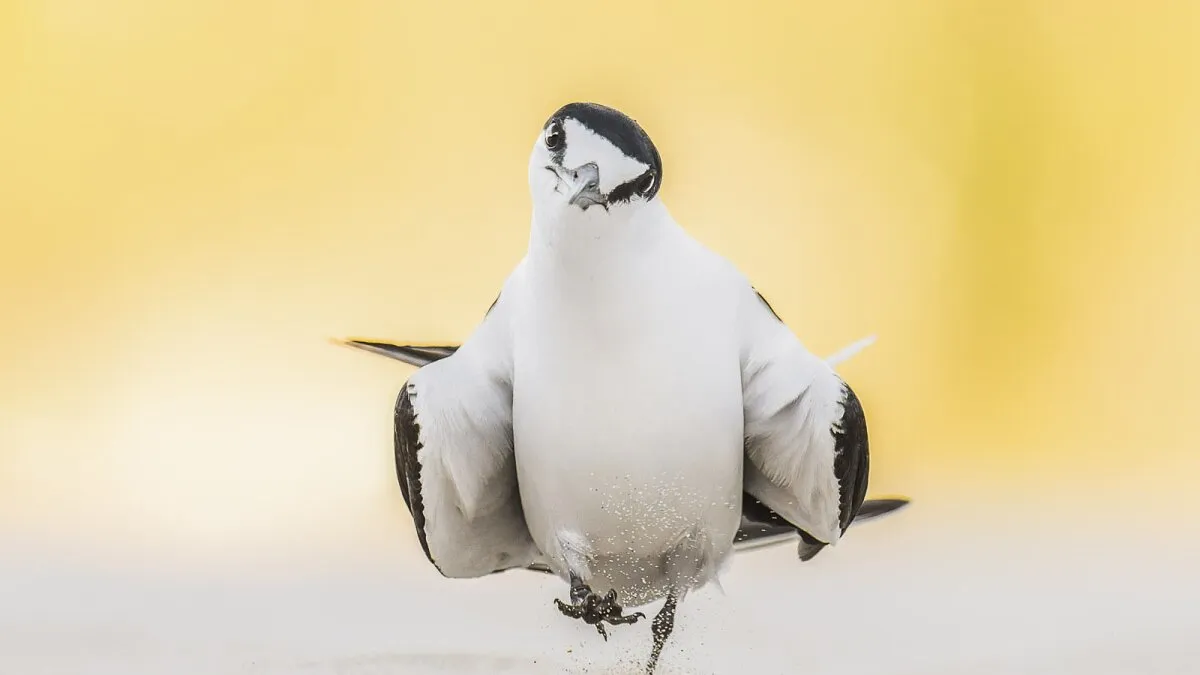
Birds are a common subject in many categories. Georgina Steytler from Western Australia is a finalist in Animal Behaviour for "Strutting Tern." She captured the unique courtship dance of sooty terns.
Lyndal Irons, Australian Geographic Picture Editor, highlighted the competition's role. She said it helps photographers find new perspectives on the region each year.
Here are some of the standout images from the shortlist.
Rachelle Mackintosh from Sydney is a finalist in the Animal Behaviour category. Her image, "A Rock and a Hard Place," shows a newborn elephant seal pup. The pup is caught between two adult females who are not its mother. Mackintosh explained that mothers leave their pups after about three weeks.
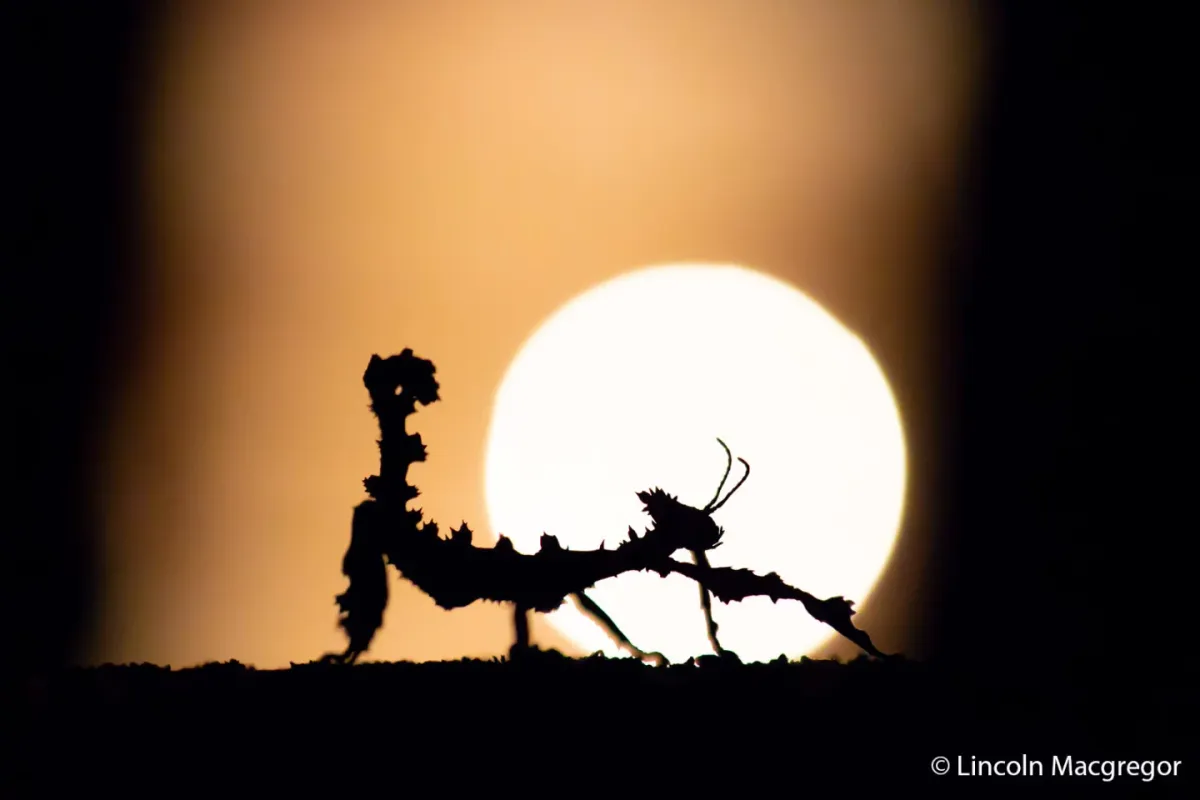
Lincoln Macgregor from NSW was shortlisted in the Macro category for "Shifting Shadows." This photo features a spiny leaf insect. Macgregor found it in his backyard, backlit by a living room light. He noted that extraordinary creatures can be found close to home.
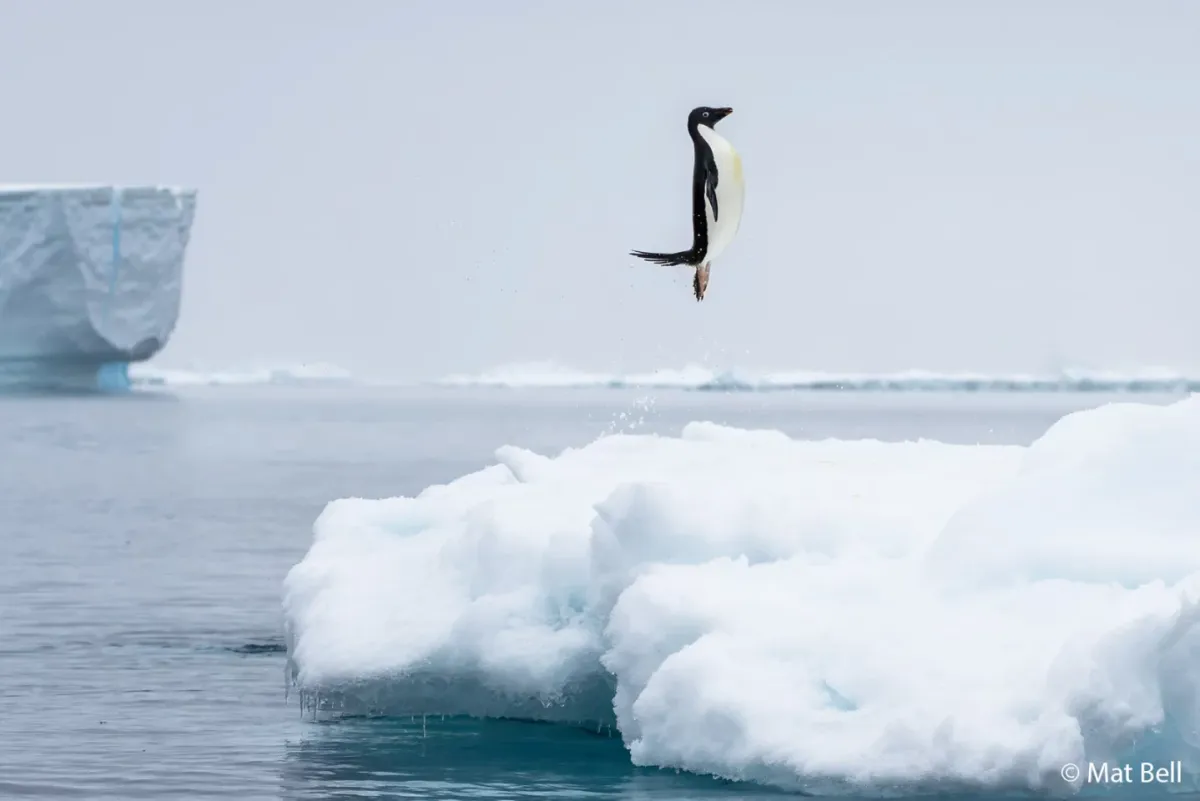
Matt Bell from Victoria captured "Penguin Pose" in the Animals in Nature category. He waited in icy waters off the Antarctic Peninsula for an Adélie penguin (Pygoscelis adeliae) to jump onto an iceberg. The photo shows the penguin in a "levitational-like state."
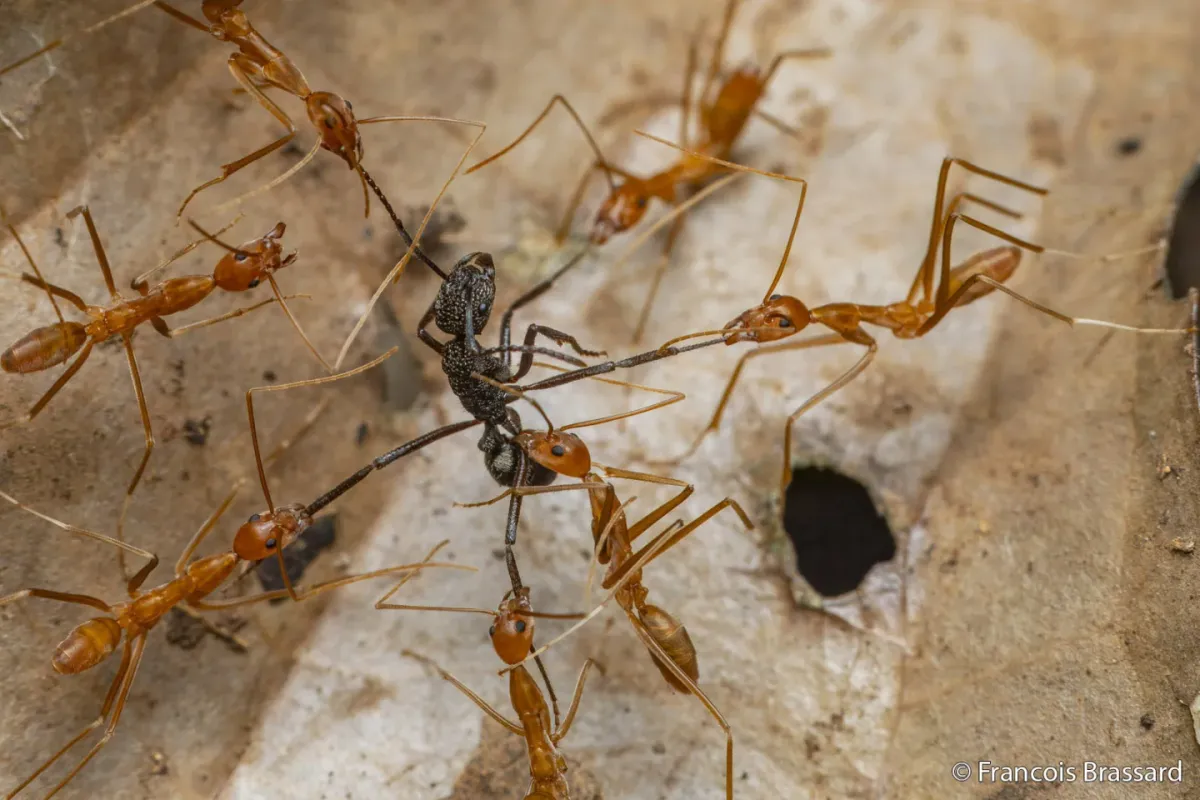
François Brassard from Western Australia submitted "Surrounded by Foes" to the Macro category. It shows a pony ant (Rhytidoponera metallica) paralyzed by spider ants (Leptomyrmex sp.). The spider ants will take their prey back to their nest.
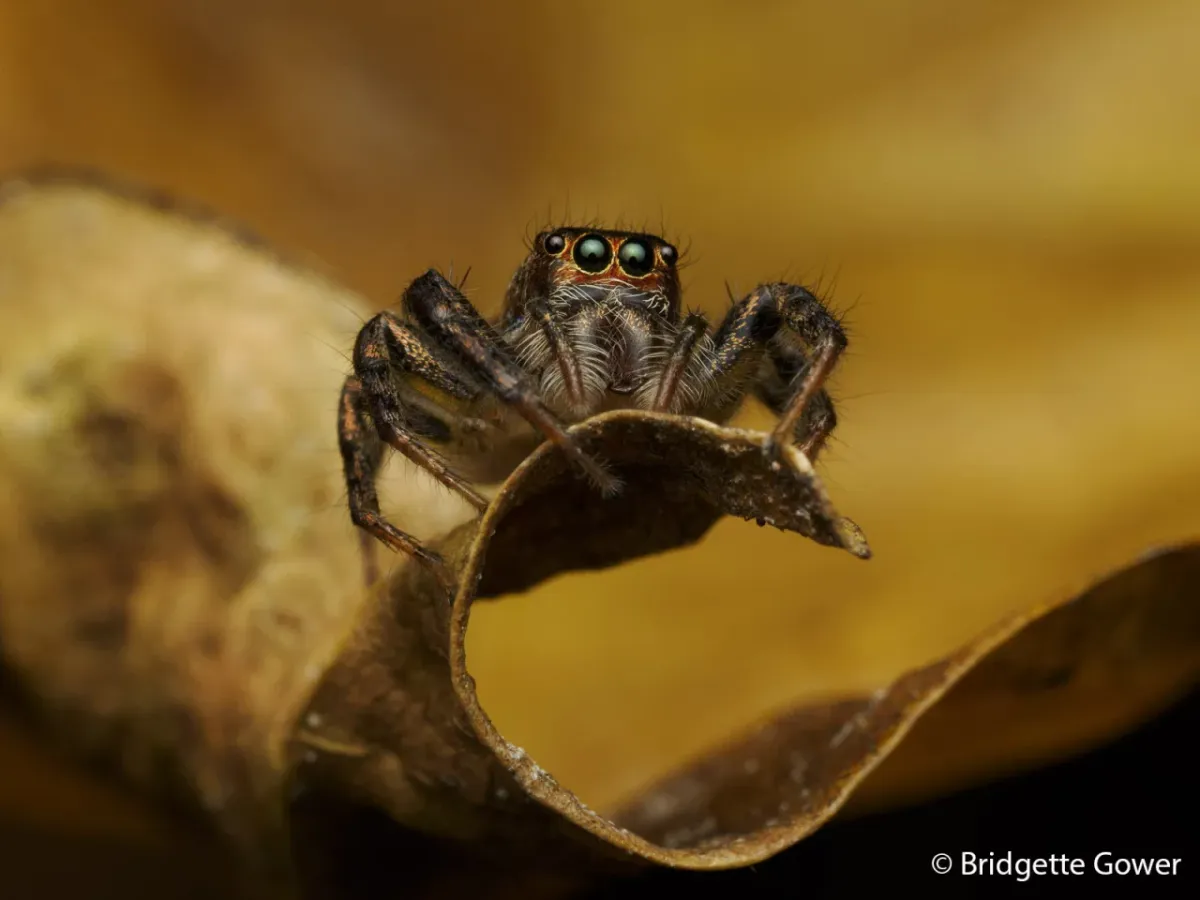
Bridgette Gower from Queensland captured "Curvy Cytaea" in the Macro category. This image shows a tiny jumping spider on the edge of a leaf. Gower waited for the perfect moment to photograph the spider, highlighting nature's beauty on a small scale.
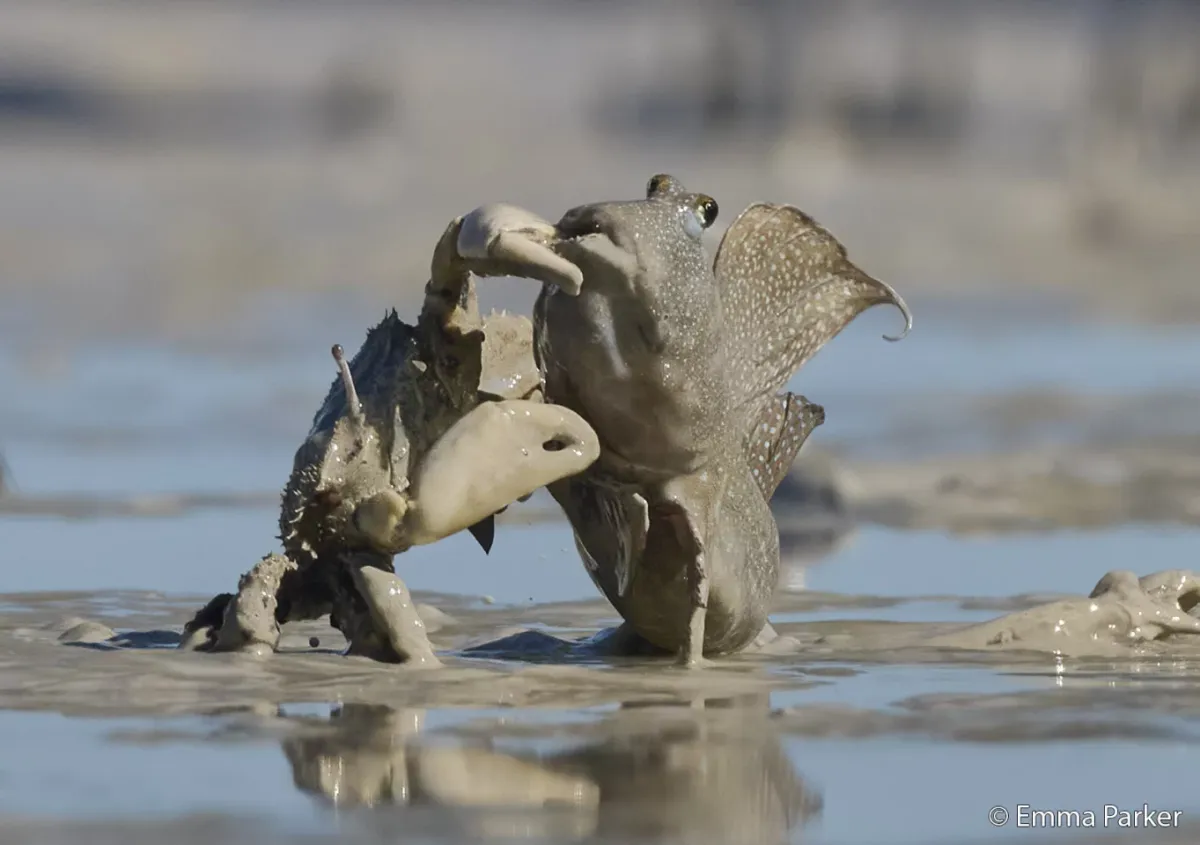
Emma Parker from Western Australia is a finalist in Animal Behaviour for "Crab Attack." She photographed a mud crab lifting a mudskipper out of the water in Roebuck Bay Marine Park. Parker had envisioned this unique interaction before her trip.
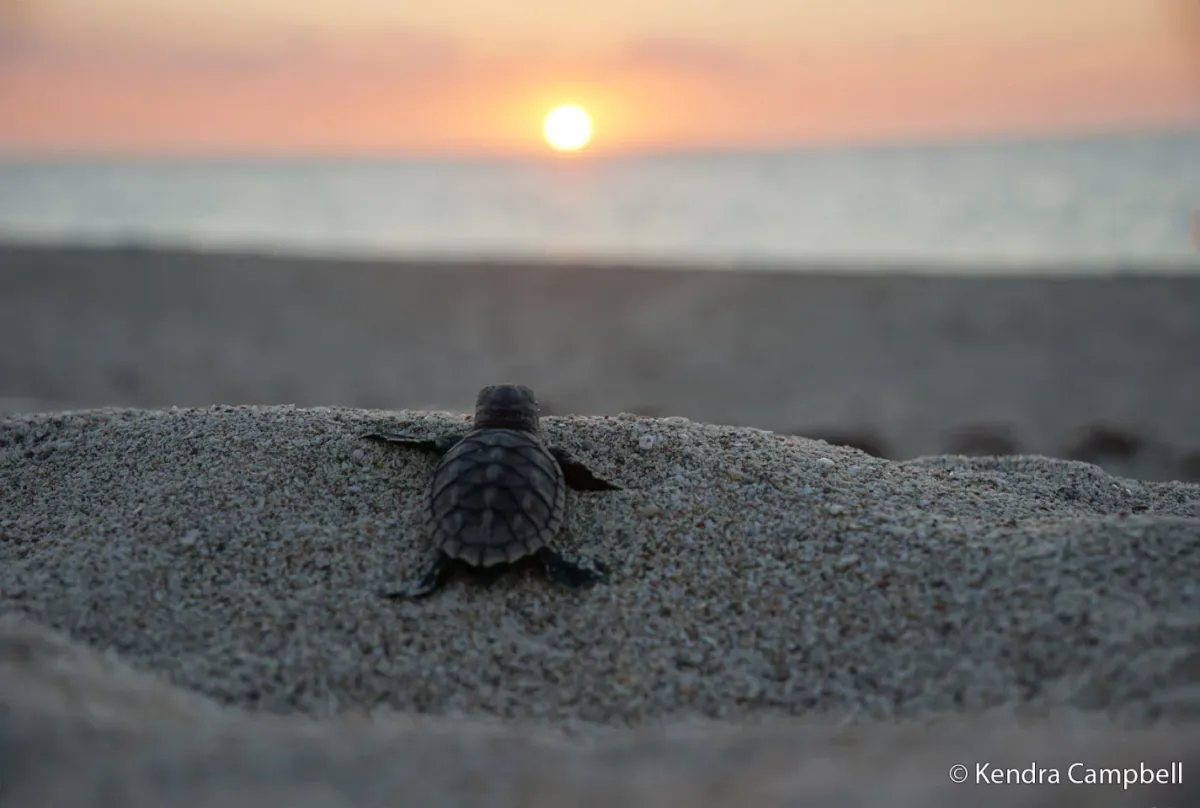
Kendra Campbell from Western Australia captured "One in 1,000" for the Threatened Species category. The image shows a baby Hawksbill Turtle (Eretmochelys imbricata) heading to the ocean. Campbell reflected on the low survival rates for hatchlings, hoping this one would beat the odds.
Deep Dive & References: South Australian Museum