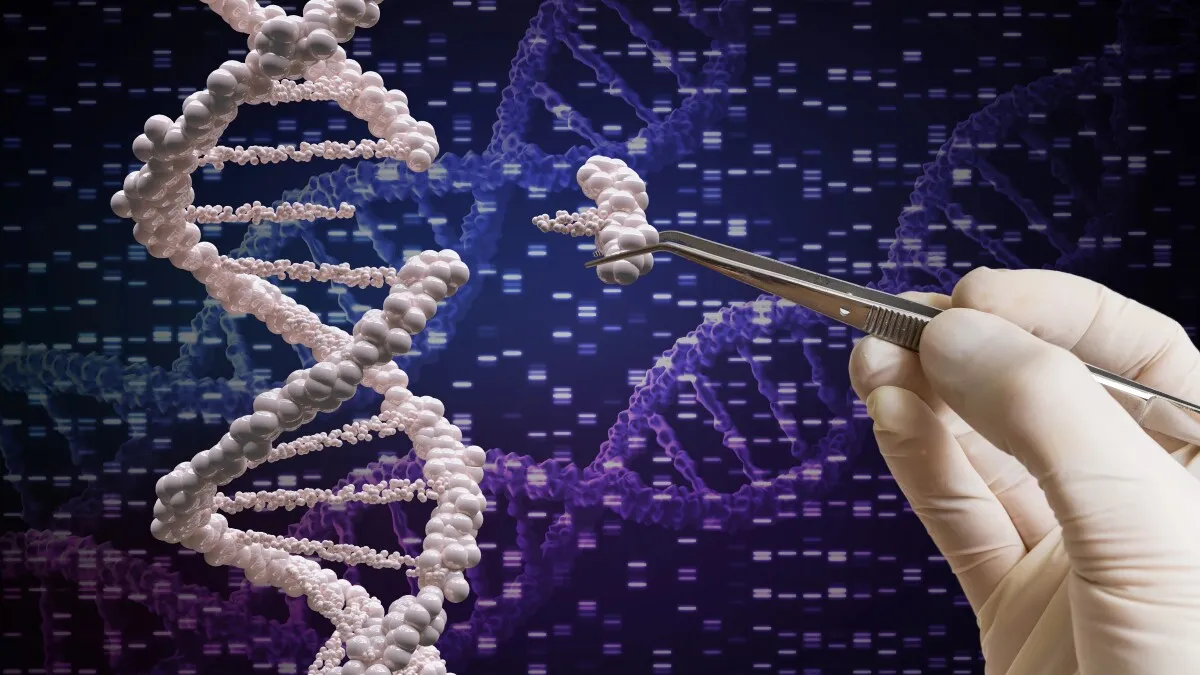
A single CRISPR treatment that lowers bad cholesterol is moving into human trials for the first time. If it works, it could spare millions of people from taking medication every day for the rest of their lives.
Scribe Therapeutics' STX-1150 works by silencing a gene in the liver called PCSK9, which controls cholesterol levels. Unlike earlier CRISPR approaches that permanently edit DNA, this one uses epigenetic marks—think of them as dimmer switches rather than on/off switches—to turn down the gene's activity. The effect can be reversed if needed, which makes regulators more comfortable with the approach.
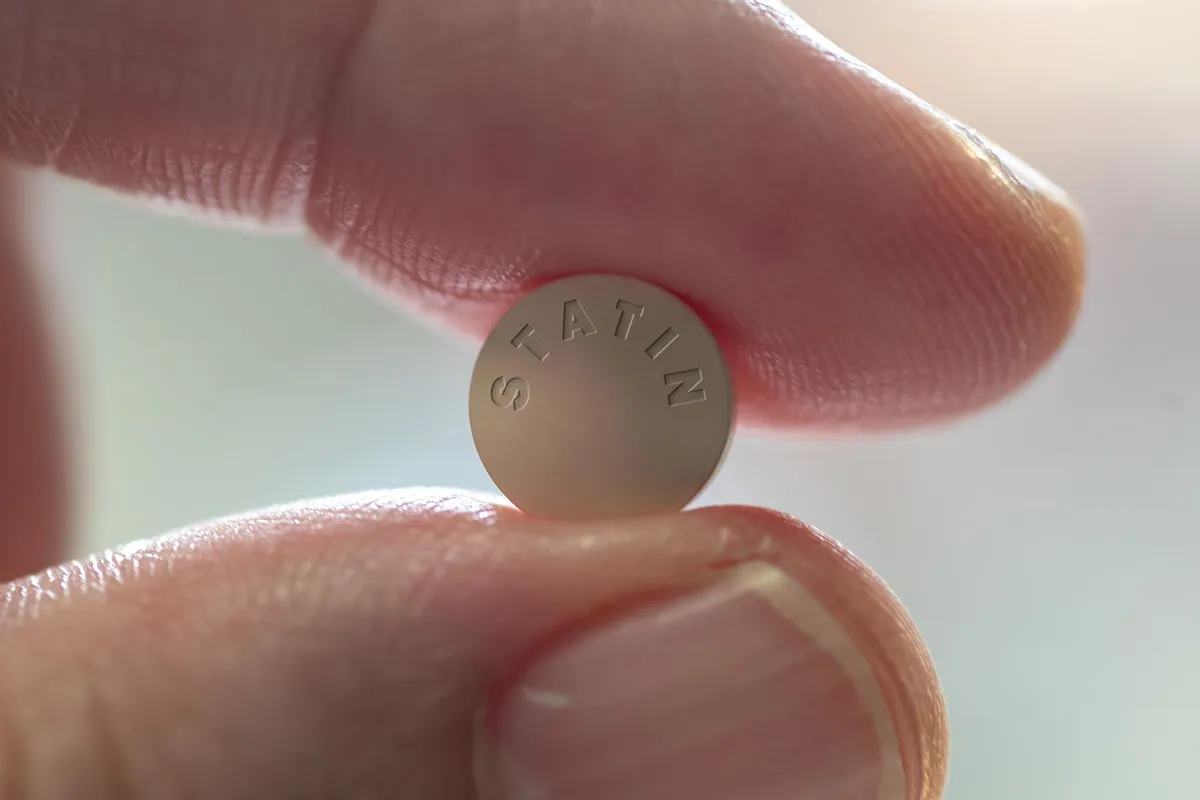
The company estimates the treatment could help the roughly 70 million Americans living with chronically high cholesterol. Right now, most of them manage the condition with statins or other daily pills. A one-time procedure that lasts years would be transformative, not just for convenience but because people actually take their medication more consistently when they don't have to remember a daily dose.
We're a new kind of news feed.
Regular news is designed to drain you. We're a non-profit built to restore you. Every story we publish is scored for impact, progress, and hope.
Start Your News DetoxWhy This Matters Now
CRISPR gene therapy is moving faster than most people realize. In 2024, the FDA approved the first CRISPR treatment for sickle cell disease. Last year, a baby with an incurable genetic condition became the first person successfully treated with the technology. These aren't lab experiments anymore—they're in hospitals.
But there's a real gap between what's possible and what's accessible. That sickle cell therapy costs $2.2 million per patient. Scribe's treatment would eliminate the ongoing cost of cholesterol medication, which matters for affordability, yet the upfront price of a genetic therapy remains unknown. The company hasn't disclosed what STX-1150 would cost or when it might reach the market, but the Phase I trial—testing safety in a small group of people—is the critical first step.
Other companies are pursuing similar approaches. Verve Therapeutics and CRISPR Therapeutics both have cholesterol-lowering gene therapies in development, which means this isn't a race with one winner. Multiple shots at this problem increase the odds that one will succeed and that competition will help keep prices more reasonable.
The real test now is whether these treatments work in humans and whether they can be delivered affordably to the people who need them most. If STX-1150 succeeds in trials, it could reshape how we think about chronic disease—not as something you manage with pills every day, but as something you address once.