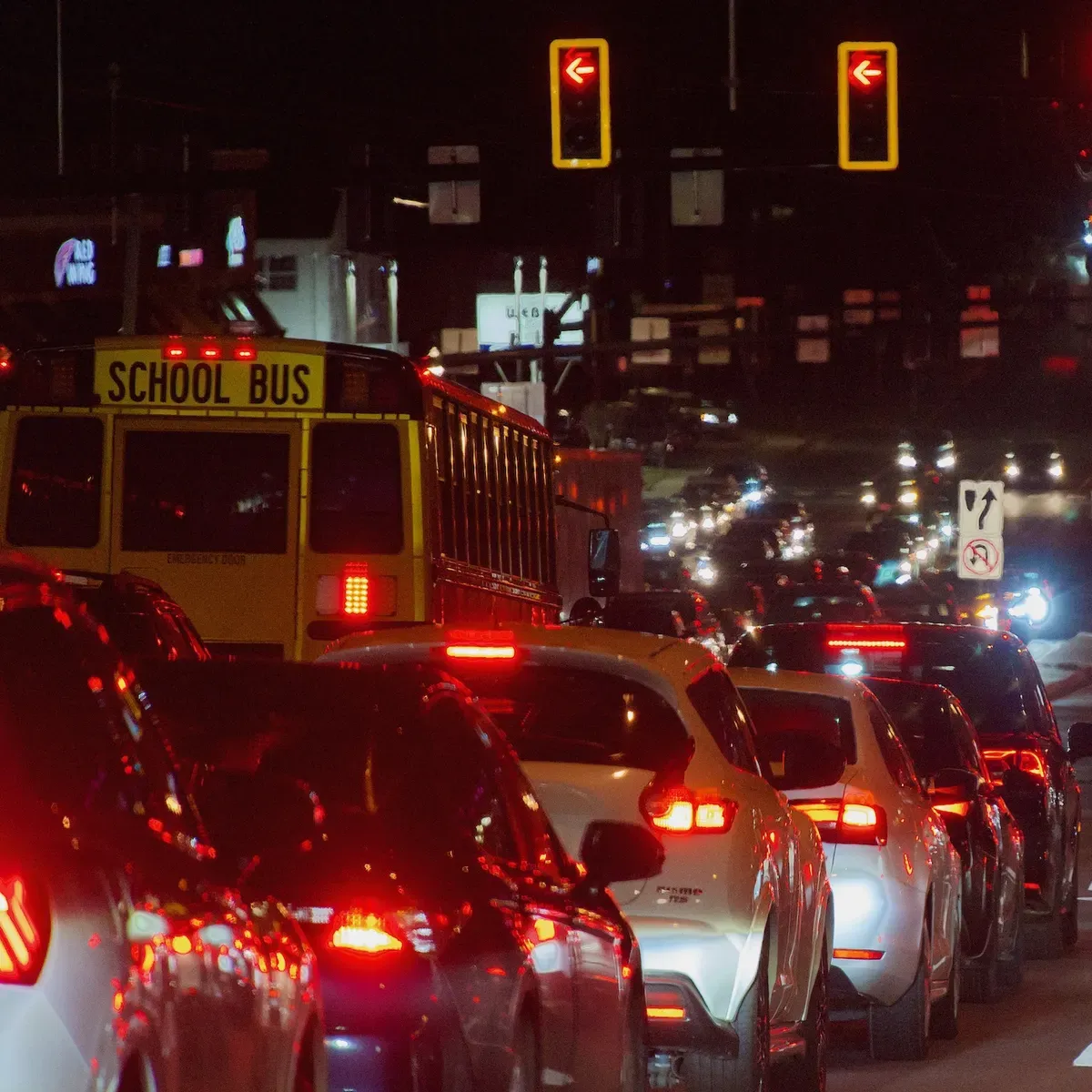
Ever been stuck at a light, fuming that the left-turn signal is laughably short, wondering if anyone in city planning actually drives? Well, soon, your frustration might be heard (and fixed) a lot faster. Miovision, the folks who specialize in making traffic less, well, traffic-y, is rolling out a new generative AI tool named Mateo. And it's basically the smartest, most efficient intern your city's traffic department never knew it needed.
Starting April 7, Mateo will be at the beck and call of traffic engineers and transit authorities. Instead of sifting through mountains of data, they can just ask Mateo, in plain language, things like: "Why is the intersection at Main and Elm always a nightmare?" or "Are emergency vehicles getting stuck here?" Mateo then dives into the data and, ideally, spits out an answer and a solution in minutes, not weeks.
Kurtis McBride, Miovision's CEO, put it best: Mateo is like an "extra team member" that multiplies a city's efforts. Which, if you've ever tried to navigate rush hour, sounds like a very welcome addition indeed.
We're a new kind of news feed.
Regular news is designed to drain you. We're a non-profit built to restore you. Every story we publish is scored for impact, progress, and hope.
Start Your News DetoxThe End of Traffic Tantrums?
Imagine this scenario: Drivers are constantly complaining about that blink-and-you'll-miss-it green arrow. A traffic official asks Mateo what's up. The AI agent crunches the numbers, identifies the signal timing as the culprit, and suggests extending it. What used to be a multi-day investigation could now be solved before your coffee gets cold. That's a 90% speed-up in problem diagnosis, according to Miovision.
Mateo doesn't just guess; it uses data from roadside sensors, understands it, diagnoses the snafus, and then proposes fixes. It's essentially taking all the messy, disparate data — from congestion patterns to near-miss crashes and even bus schedule disruptions — and making sense of it, all in one place. This means engineers can stop wrangling spreadsheets and start actually improving how people get around.
Another bonus? Mateo can translate all that complex data and safety analysis into easy-to-digest summaries for city council members or even the mayor. Because apparently, even elected officials appreciate not having to decipher a dozen charts just to understand why everyone's late for work.
So, problems that once ate up days or even a week can now be addressed in about 15 minutes. Let that satisfying number sink in. While other companies like Inrix and Iveda are also getting into the AI traffic game, Miovision's Mateo is poised to make your daily commute, dare we say, slightly less soul-crushing. Which, for anyone who's ever cursed a red light, is a minor miracle.