Turns out, if you're a world-class museum, sometimes the most coveted items aren't ancient relics or modern masterpieces, but a really, really old bowl of fruit and some expertly rendered bugs.
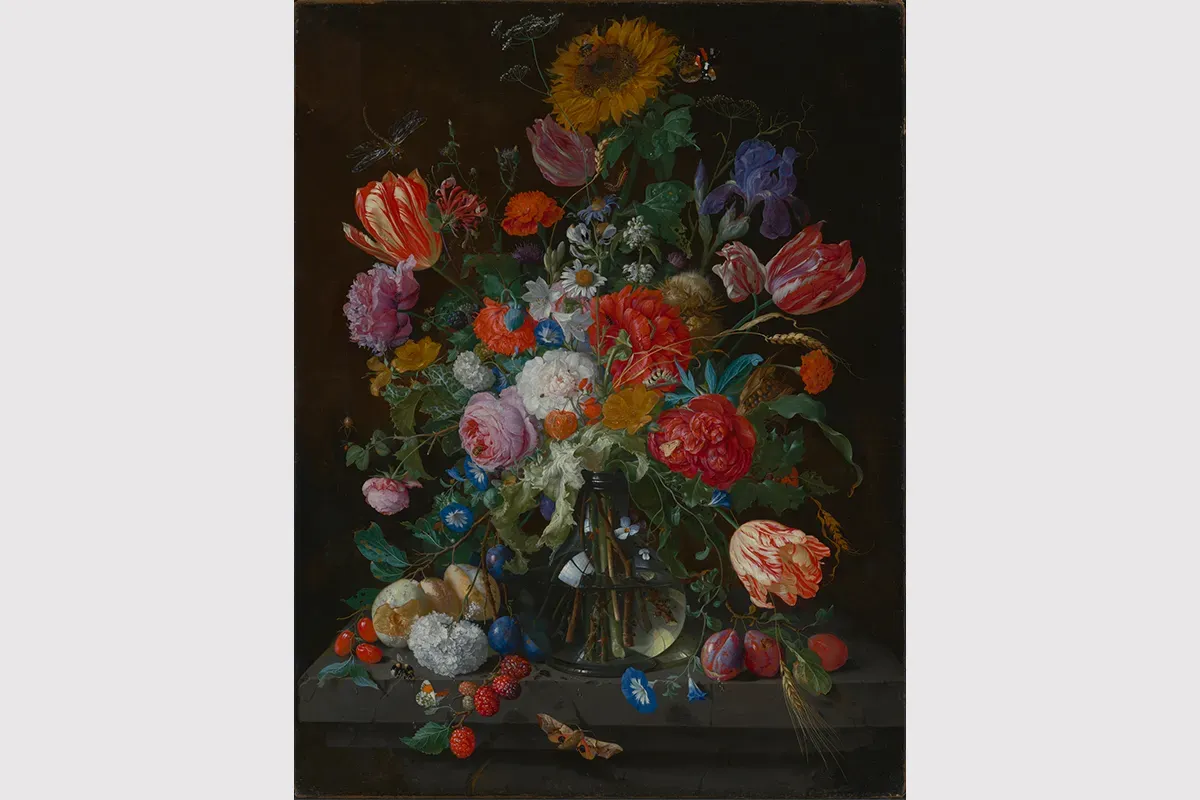
The Getty Museum in Los Angeles recently snagged two Dutch still life paintings, one of which they'd been eyeing for two decades. Yes, two decades for a painting of flowers that are long, long gone. But when it's Jan Davidsz. de Heem's Glass Vase with Flowers and Fruit, painted around 1673-74, you wait.
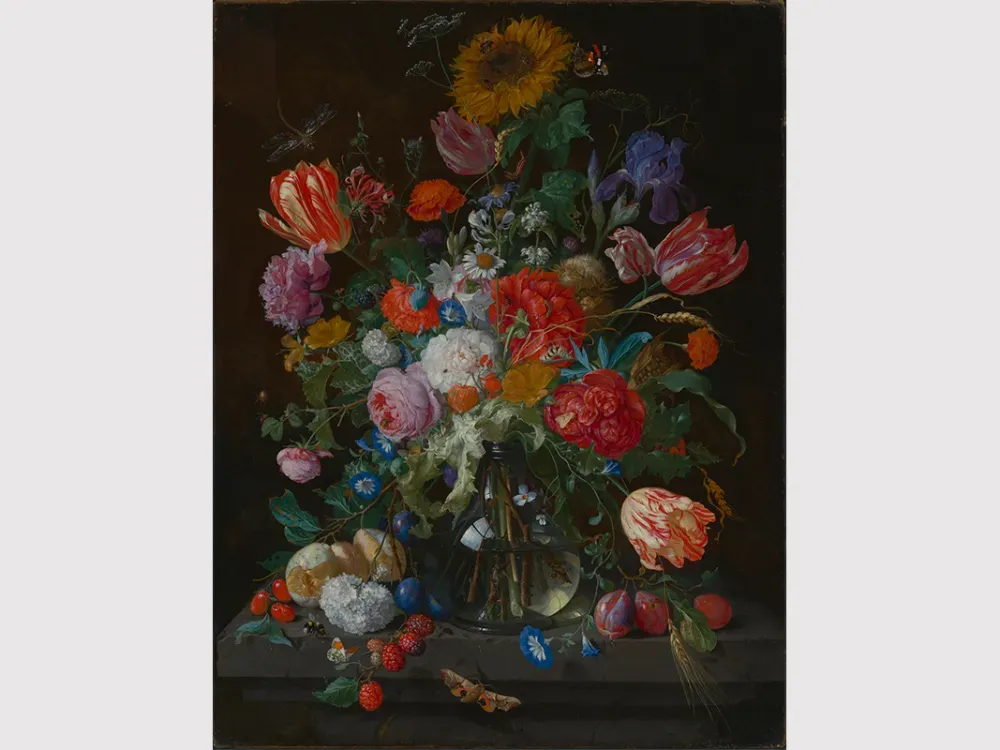
De Heem was apparently the hyper-realist of his time, capturing every petal of a flame tulip (a highly prized bloom back then), every plum, berry, and rose. But the real flex? The tiny insects. Because nothing says "masterpiece" like a meticulously painted ant symbolizing hard work, or a butterfly representing the soul's freedom. This particular de Heem was a ghost until 2022, popping up from a private German collection. Now, it's chilling at the Getty Center.
We're a new kind of news feed.
Regular news is designed to drain you. We're a non-profit built to restore you. Every story we publish is scored for impact, progress, and hope.
Start Your News DetoxThen there's the other acquisition: Pieter Claesz's Still Life with Assorted Fruit. Claesz was a big deal, even influencing de Heem. His painting, from sometime between 1597/98 and 1660, is a veritable fruit salad of grapes, strawberries, and apples. The Dutch even had a cute name for these multi-fruit still lifes: "fruitagje." They were basically the flex of their time, hinting at wealth and good fortune when, let's be honest, times were often… not so fortunate.
This Claesz piece was last seen at a Sotheby's auction, where the Getty forked over a cool $1.64 million. That's nearly double the high-end estimate. Because when you want 350-year-old fruit, you pay for it. It'll be joining its floral cousin at the Getty Center soon enough, ready to remind us that even in the 17th century, people appreciated a good spread — even if it was just painted on a canvas.