Imagine an electric motor that barely wastes any energy as heat. Researchers in Germany just figured out how to make that happen, using a material that acts like glass but is tougher than steel.
Here’s the deal: every electric motor has parts that spin and create a changing magnetic field. In regular metals, this constant magnetic shift makes tiny internal magnets flip back and forth. That flipping wastes a surprising amount of energy as heat, because the metal’s structure fights the change.
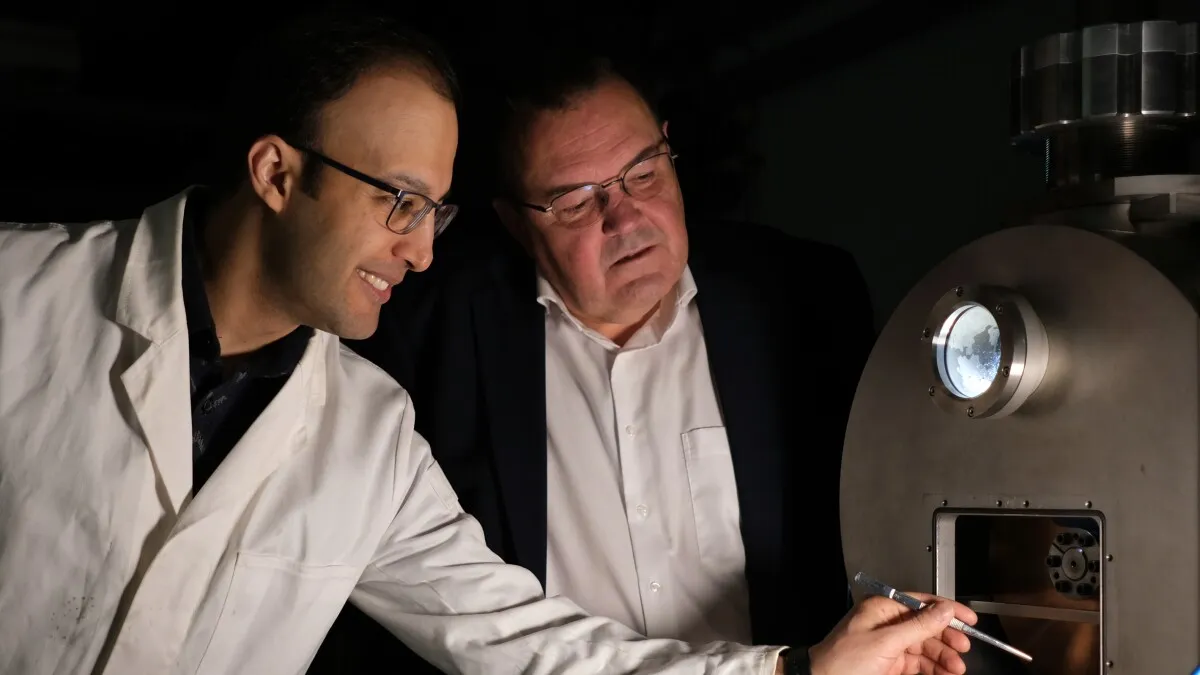
But a team at Saarland University, led by Professor Ralf Busch, found a clever workaround. They’re using special “metallic glass” alloys. Unlike regular metals, these don't have a rigid internal crystal structure. Their atoms are arranged randomly, just like glass.
We're a new kind of news feed.
Regular news is designed to drain you. We're a non-profit built to restore you. Every story we publish is scored for impact, progress, and hope.
Start Your News DetoxThis random setup means those tiny internal magnets can flip around super easily when the magnetic field changes. Less resistance means way less wasted energy and much cooler motors. That might not sound like much, but it’s seriously cool for anything that uses an electric motor.
Stronger Than You Think
When you hear "metallic glass," you probably think fragile. But these materials are actually stronger than steel. The "glass" part just refers to that jumbled atomic structure. They make it by melting a mix of elements and then cooling them incredibly fast, freezing the atoms before they can line up in a crystal pattern.
The team also figured out how to 3D print these parts using a method called Laser Powder Bed Fusion. A laser melts metal powder layer by layer, and it cools so fast it stays glass-like. This is key to keeping that non-crystalline structure that makes them so efficient.
Professor Busch’s team spent years testing hundreds of alloys. They finally cracked it a little over a year ago, finding three alloys that resist crystallization and can be reliably 3D printed into fully glass-like motor parts.
This discovery could change a lot. Think electric cars that go further on a single charge, drones that fly longer, or e-bikes with extended range. Industrial machines could also use less power, saving a ton of energy.
The EU-funded project, called AM2SoftMag, has poured over €3.5 million (about $4.035 million) into this research. It’s a quiet breakthrough that could make a big difference in how our electric world runs.