Half of the world's 100 largest cities are now experiencing high water stress — and 39 of them sit in regions of extreme stress where water withdrawals are pushing dangerously close to available supplies.
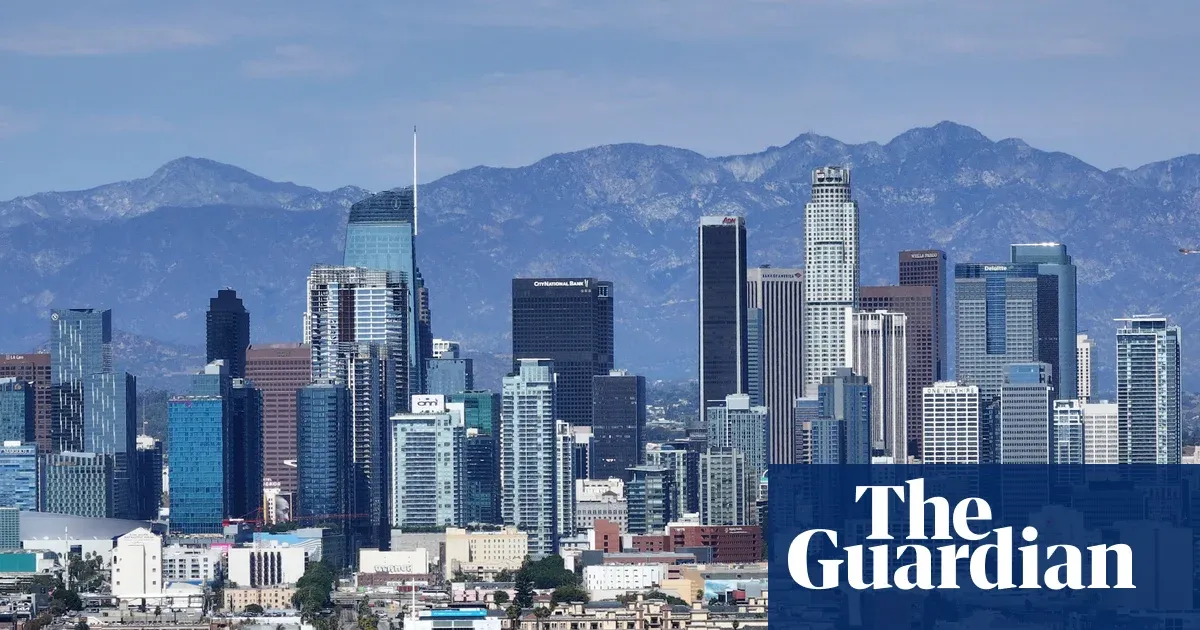
The analysis, mapping cities onto their water catchments, reads like a global vulnerability report. Beijing, New York, Los Angeles, Rio de Janeiro, and Delhi face extreme stress. London, Bangkok, and Jakarta are classed as highly stressed. Water stress itself isn't mysterious: it happens when we're pulling water out faster than nature can replenish it, often made worse by poor management and climate breakdown.
What's striking is the unevenness of the crisis. Satellite data from NASA, analyzed by scientists at University College London, shows that some cities are drying while others are getting wetter. Chennai, Tehran, and Zhengzhou are experiencing strong long-term drying trends. Tokyo, Lagos, and Kampala are getting wetter. The numbers reveal the human weight of this split: about 1.1 billion people live in major cities in drying regions, compared to 96 million in cities experiencing wetting trends.
We're a new kind of news feed.
Regular news is designed to drain you. We're a non-profit built to restore you. Every story we publish is scored for impact, progress, and hope.
Start Your News DetoxThe Tipping Points
Tehran has become the clearest warning. Now in its sixth year of drought, the city is approaching "day zero" — the point when no water reaches the taps. Last year, Iran's president suggested the city might need to be evacuated if the drought continues. Cape Town and Chennai have both come close to that edge. Many of the world's fastest-growing cities sit in these drying zones, which means the pressure will only intensify.
The UN has declared the world in a state of "water bankruptcy," where some water resources are deteriorating permanently. The World Bank reports that global freshwater reserves have dropped sharply over the past 20 years — we're losing about 324 billion cubic meters annually, enough to meet the yearly needs of 280 million people.
But there's a practical response emerging, at least in places with the resources to pursue it. In England, where demand is projected to outpace supply by 2055, experts are pointing to groundwater as a climate-resilient solution. The UK government has published a water white paper that includes new infrastructure checks, a dedicated chief engineer role, and stronger regulatory oversight. It's not a fix — it's management. But management, done well, can buy time while deeper changes take root.
The real question isn't whether these cities face water stress. They do. It's whether the response moves faster than the drying.