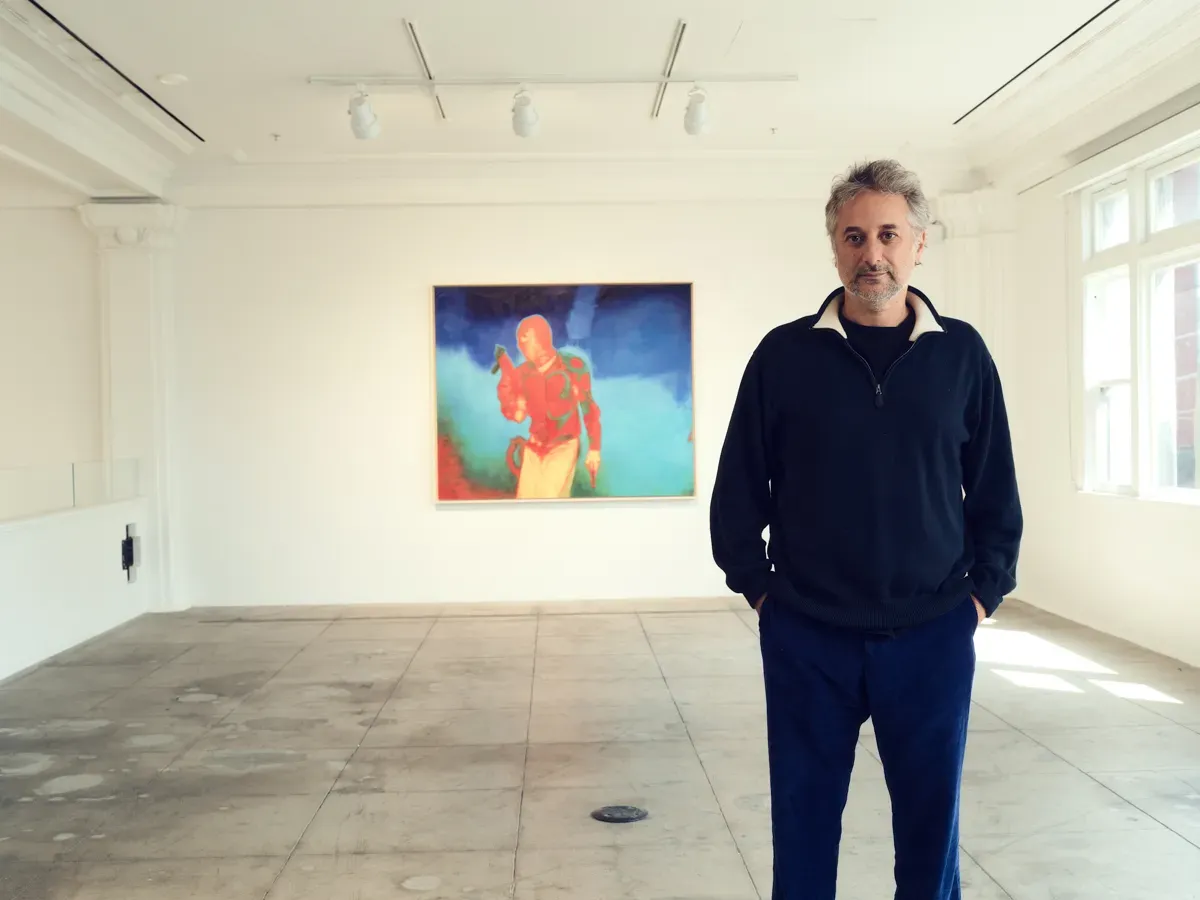
Filmmaker Harmony Korine has spent the last year watching the Smurfs movie and barely reading. He's been too busy exploring what artificial intelligence might do for art.
From his Miami studio EDGLRD—launched around the time he made the infrared film "Aggro Dr1ft" in 2023—Korine has been thinking hard about what comes next in entertainment. Not narrative. Not plot. Something more like sensory experience, something experimental. The kind of thing that doesn't fit neatly into how we've always told stories.
The tool question
When people ask whether AI can make anything other than mediocre filler, Korine pushes back. He sees the technology differently than most of the debate allows. "I don't understand how anyone can say they're anti something that's potentially creative," he told The Hollywood Reporter. "If it's not working for you today, it could work for you a year from now."
We're a new kind of news feed.
Regular news is designed to drain you. We're a non-profit built to restore you. Every story we publish is scored for impact, progress, and hope.
Start Your News DetoxThis matters because it reframes the entire conversation. Korine isn't arguing that AI is good or bad. He's saying the argument itself is temporary—like the internet debates of the 1990s that now seem quaint. The technology will become ambient, unremarkable. What matters is what you do with it.
He thinks of AI as a tool in the same way a painter thinks of a brush. The brush doesn't make the painting. The vision does. The problem, he suggests, is that people lead with the mechanics—how AI is built, what data trained it—and that makes everyone defensive. You're already losing the conversation before it starts.
What he's actually interested in
Korine wants to use AI to find new sounds, new images, new moments that don't fit inside the old rules. Not to make better versions of what already exists, but to discover what wasn't possible before. That's a different project entirely from "AI writes your emails faster."
It's also why he's skeptical of the people who want to use AI as a weapon in culture war arguments. That approach fails because it misses the point. The real question isn't whether AI is good or bad. It's whether it can help us rediscover play, surprise, the unknown. Whether it can make us feel something we haven't felt before.
That's the conversation Korine thinks we should be having. Not about the technology. About what we want to make, and what we want to discover in the making.