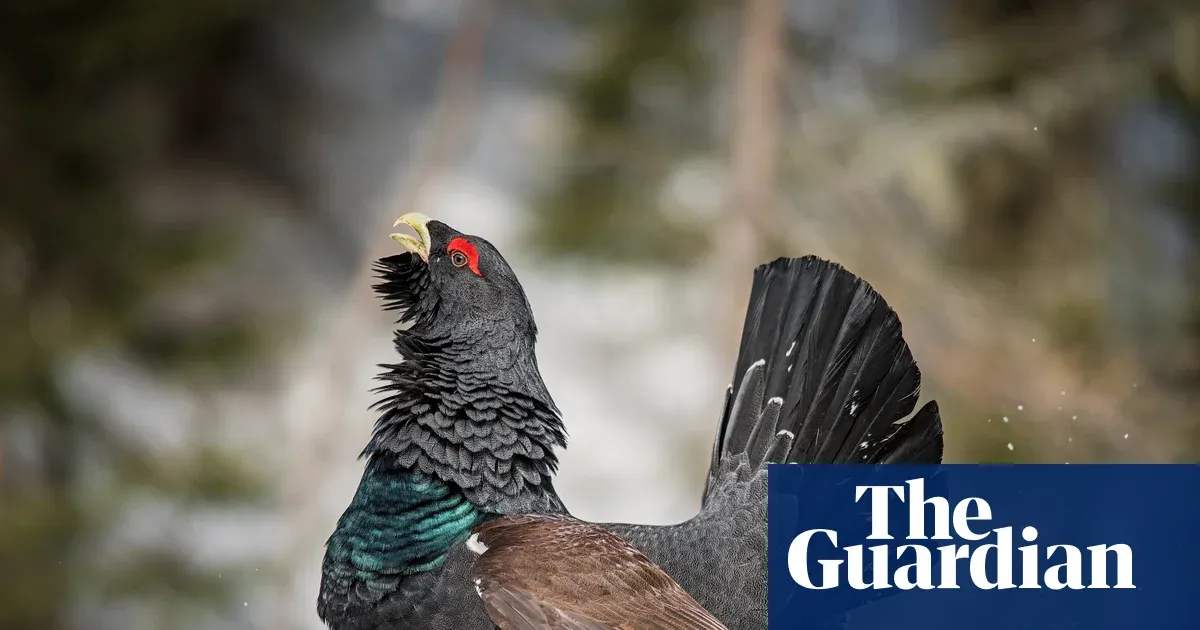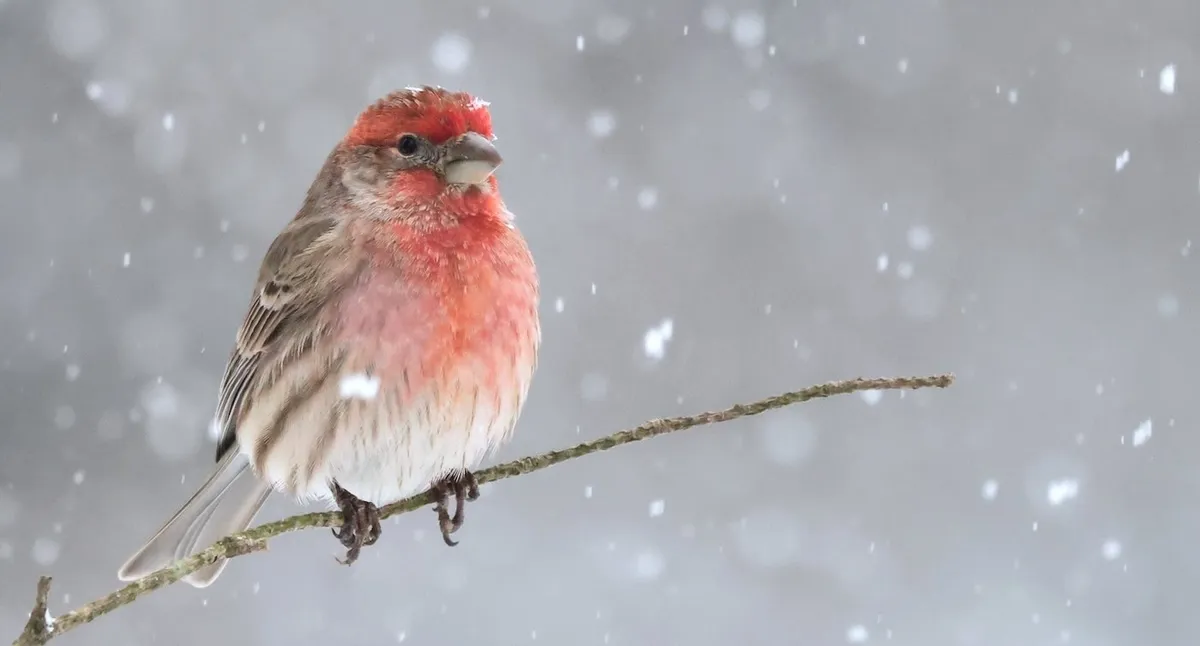
In February 2026, more than 800,000 people will spend 15 minutes watching birds. They'll note what they see—a cardinal at the feeder, finches in the oak tree, a chickadee on the fence—and upload it to a shared database. By the time Valentine's Day arrives, those scattered observations will form the clearest picture we have of how birds are actually doing across the planet.
This is the Great Backyard Bird Count, now in its 29th year. It sounds simple because it is. You don't need binoculars or expertise. You need a backyard, balcony, park bench, or neighborhood street. You need 15 minutes. You need either the Merlin Bird ID app or eBird to log what you see. The count runs February 13–16, 2026.
What makes this work is scale. Last year, participants across nearly every country identified 8,078 bird species—158 more than in 2024. When you layer that data over time, patterns emerge. Conservation scientists can see which species are declining in specific regions, which are holding steady despite habitat loss and climate change, and which are unexpectedly rebounding. That information directly shapes where protection efforts go next.
We're a new kind of news feed.
Regular news is designed to drain you. We're a non-profit built to restore you. Every story we publish is scored for impact, progress, and hope.
Start Your News Detox"The bird observations we submit can be used to inform conservation efforts that secure a brighter future for birds and people alike," said Ben Haywood, Audubon's director of community science. The data isn't abstract—it moves policy, funding, and on-the-ground action.
But there's something else happening in those 15 minutes. Guadalupe Angel Vallejo Tapia, a longtime GBBC participant, describes it this way: "What I like most about birdwatching is that each species has its own behavior. It's fascinating to be able to identify its patterns and learn about its behavior." Another participant noted that birdwatching "invites us to reflect on the importance of protecting our natural spaces." Time in nature—even in small doses—shifts how we think about the world around us. Research consistently shows that watching birds reduces stress and builds connection to the living systems we depend on.
If you're new to this, Audubon is hosting free webinars on Thursday, February 5th (3 p.m. Eastern) and Wednesday, February 11th (7 p.m. Eastern) on YouTube. The GBBC website has a community map to help you find local counting groups or start your own. Instructions and birding tips are all there.
The count works because it asks almost nothing of participants except attention. Fifteen minutes. One location. Whatever birds show up. Multiply that by hundreds of thousands of people across the globe, and you get data that matters—plus a moment of stillness in a busy life.