At the Lyric Opera of Chicago, a deaf audience member puts on a specially designed jacket and feels the violin strings vibrate across their arms as the orchestra begins. The drum section pulses against their back. For the first time, they're experiencing the opera not as a translated performance, but as a direct, physical conversation with the music itself.
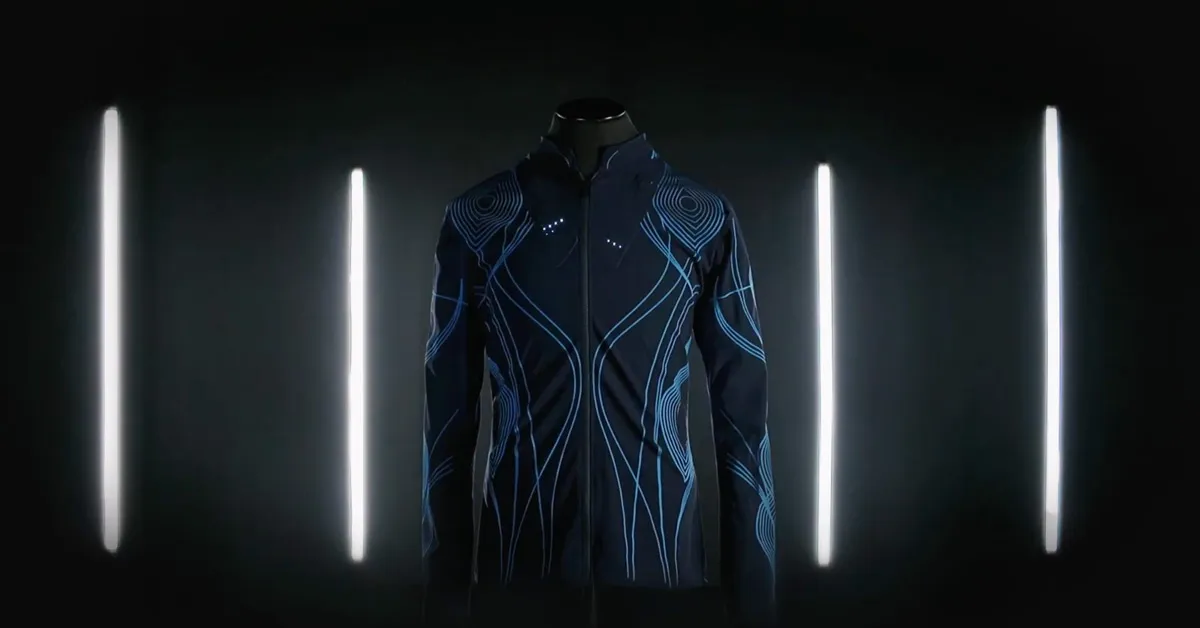
This is the SoundShirt — a jacket embedded with 16 haptic actuators that transform sound into touch. The technology works by capturing the live performance through microphones on stage, with sound engineers mixing each section of the orchestra and singers separately. That audio is then converted into vibration data and wirelessly sent to the jacket, where it becomes sensation: the weight of a cello on the chest, the brightness of a flute on the shoulders, the thump of timpani down the spine.
"It doesn't recreate the experience of listening to music," says Brad Dunn of the Lyric. "It's its own thing." That distinction matters. The SoundShirt isn't trying to simulate hearing — it's creating an entirely different way to meet the music. Combined with projected English titles or sign language interpretation, it gives deaf and hard of hearing audience members what Dunn describes as "the most fully experiential way" to experience live opera.
We're a new kind of news feed.
Regular news is designed to drain you. We're a non-profit built to restore you. Every story we publish is scored for impact, progress, and hope.
Start Your News DetoxThe pilot launched with support from Chicago's Mayor's Office for People with Disabilities. The Lyric now has 10 shirts available — free to use during performances — with plans to add five more. Each shirt costs about $1,900 to produce, but the institution treats them as part of the experience, not as a premium add-on.
What's striking is how audience members have responded. One patron, speaking through sign language, put it simply: "What you can hear, I can feel." That sentence carries weight. It's not about compensation or accommodation — it's about access to the same emotional core. Lyric's general director Anthony Freud sees it as returning to opera's fundamental purpose: "This was an opportunity to have a physical relationship with the music being performed, and that gets to the very heart of opera."
The technology, created by London-based CuteCircuit, has already moved beyond the opera house. SoundShirt is now being used at sports events, gaming tournaments, and club DJ performances. Each context reveals something new about how sound and touch can connect — and how many people have been waiting for an entry point that works for their body, not against it.