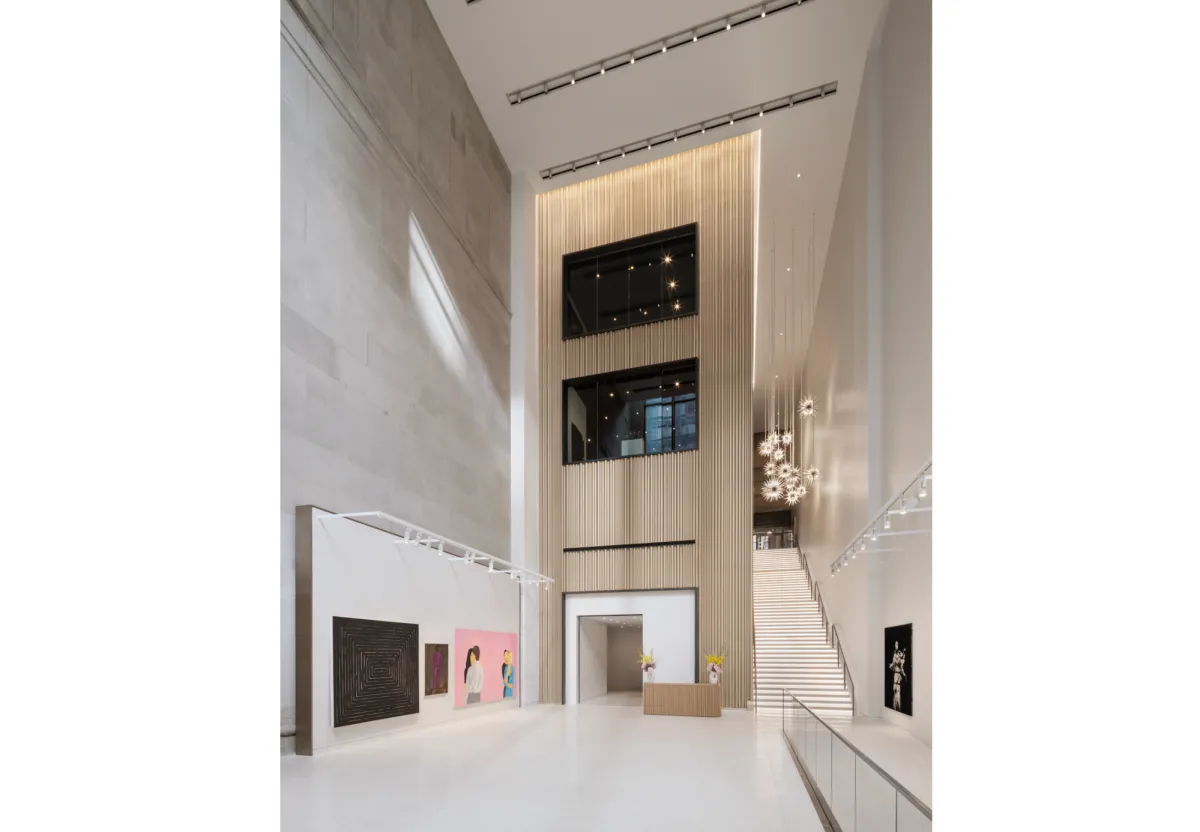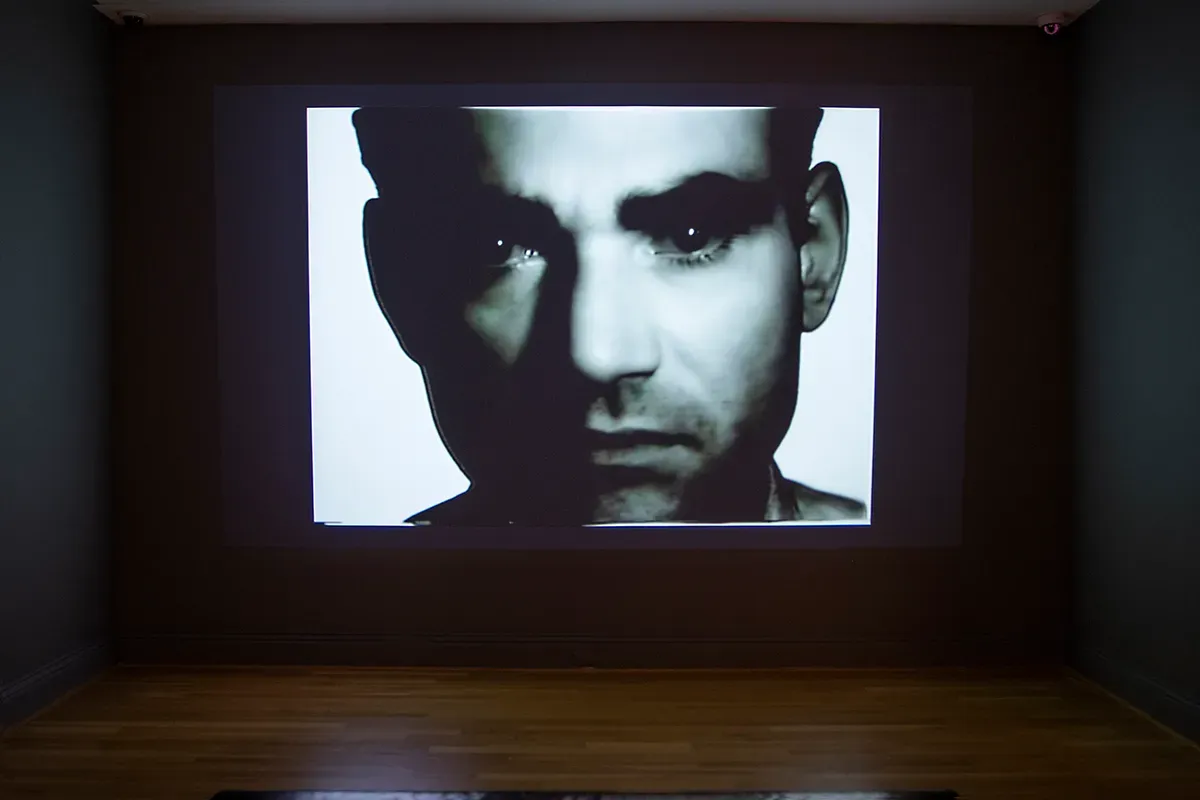
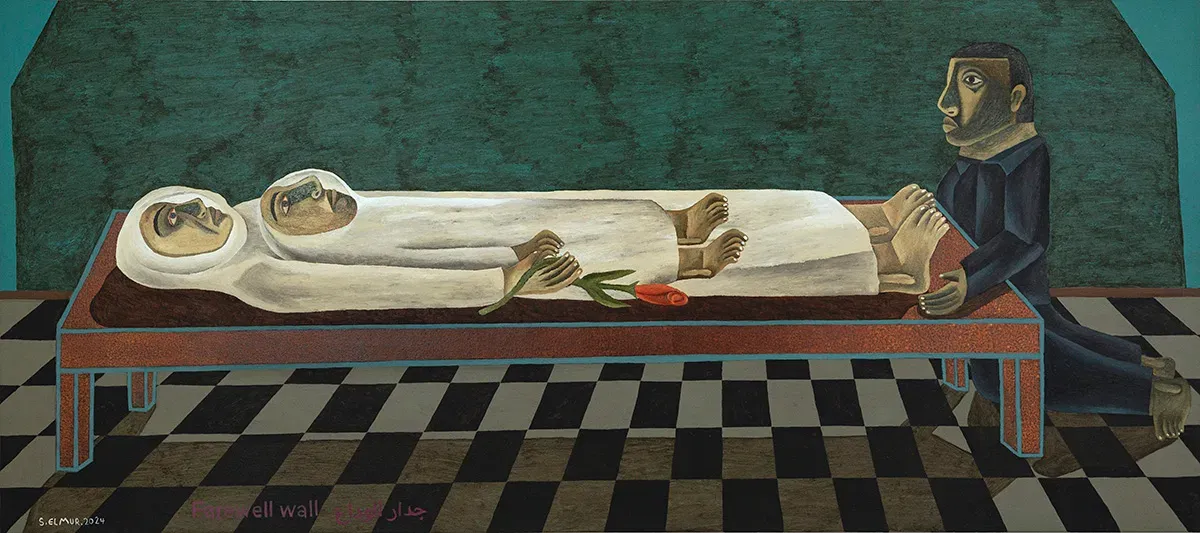
The Baltimore Museum of Art quietly did something that most major institutions still struggle with: it actually followed through. After a bruising public moment in 2020—when it announced plans to sell three prestigious paintings to fund a diversity push, then backed down hours before the auction—the BMA kept going anyway. This year alone, 250 new artworks entered the collection, and the shift in who's represented is unmistakable.
More than half of those acquisitions came as a single anonymous gift: 180 contemporary works by 63 different artists, many of them women and artists of color who'd been absent from the museum's walls. Names like Gina Beavers, Martine Syms, and Alex Da Corte now have a permanent home in one of America's oldest art institutions. But the 2025 haul goes deeper than a single gesture.
A collection that finally breathes
Henri Matisse's granddaughter-in-law, Barbara Dauphin Duthuit, donated 20 copper plates and etchings—part of a larger gift that began in 2024. These aren't minor sketches. Ten are from Matisse's 1932 illustrated book of mythological scenes paired with Stéphane Mallarmé's poems. The others depict Matisse's daughter Marguerite. The kind of work that usually stays in private collections or gets locked in storage vaults.
We're a new kind of news feed.
Regular news is designed to drain you. We're a non-profit built to restore you. Every story we publish is scored for impact, progress, and hope.
Start Your News DetoxBut alongside Matisse sits Kiyan Williams's aluminum sculpture of Marsha P. Johnson, the trans activist and Stonewall legend. Williams's work debuted at the 2024 Whitney Biennial—the kind of contemporary art that challenges viewers rather than decorates walls. The museum also acquired colorful textiles from the Manufacture Sénégalaises des Arts Décoratifs de Thiès, a Senegalese design collective, and a Delftware tobacco jar from 18th-century Baltimore, made by one of the earliest known independent women potters.
What's striking isn't any single acquisition. It's the architecture underneath. BMA director Asma Naeem put it plainly: "Artistic innovation and compelling stories of the human spirit transcend historical and geographic boundaries." That's not poetry—it's a statement of purpose. The museum is saying that a Senegalese textile designer and a Dutch woman potter belong in the same conversation as Matisse. Not as add-ons. As part of the story.
Four years ago, this would have sounded radical. Now it's just what museums should do.