Harvard researchers have cracked a problem that's haunted cell biology for decades: how to actually see what a cell was doing before now. Most cellular records vanish within hours, leaving scientists unable to trace the chain of events that leads a cancer cell to shrug off drugs or a healthy cell to turn rogue.
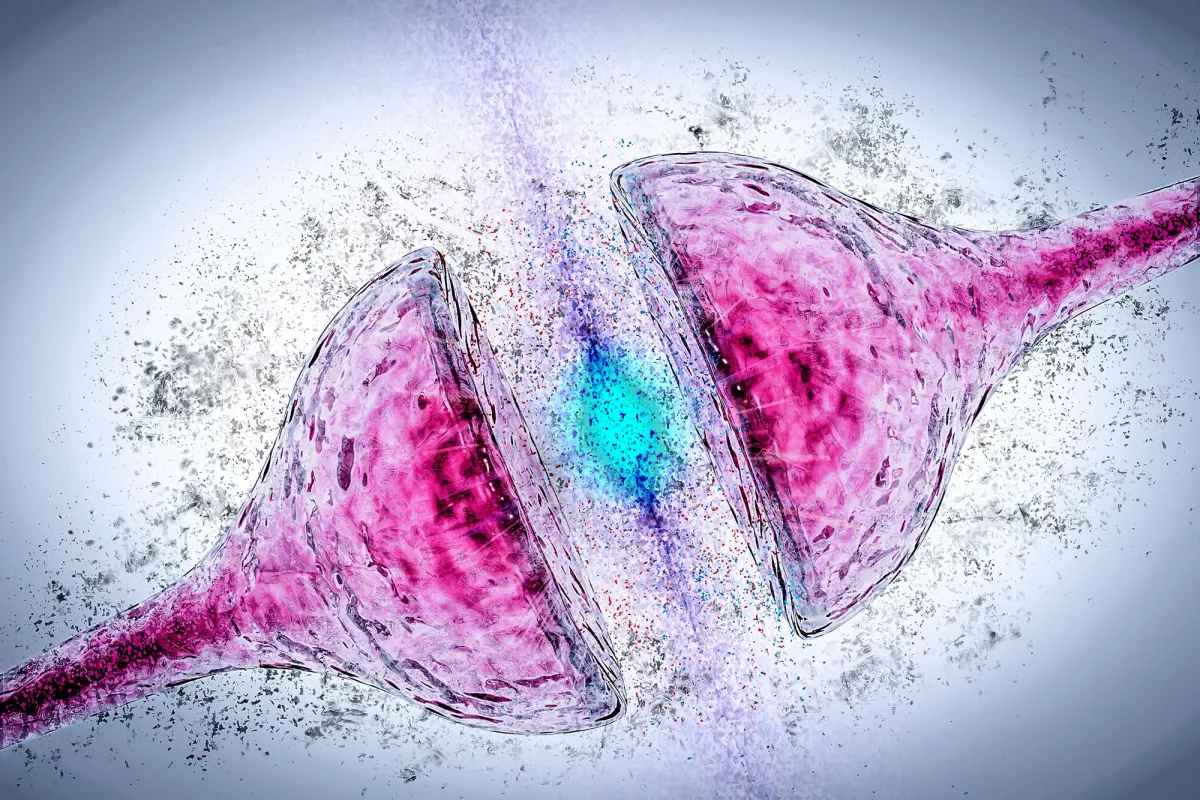
The solution is called TimeVault, and it works by essentially creating a microscopic archive inside the cell itself. Researchers capture messenger RNA — the molecules that carry genetic instructions — at a specific moment, then tether them to natural protein structures called vaults that exist inside all cells. These vaults act like protective capsules, shielding the RNA from the degradation that normally erases it within about 17 hours.
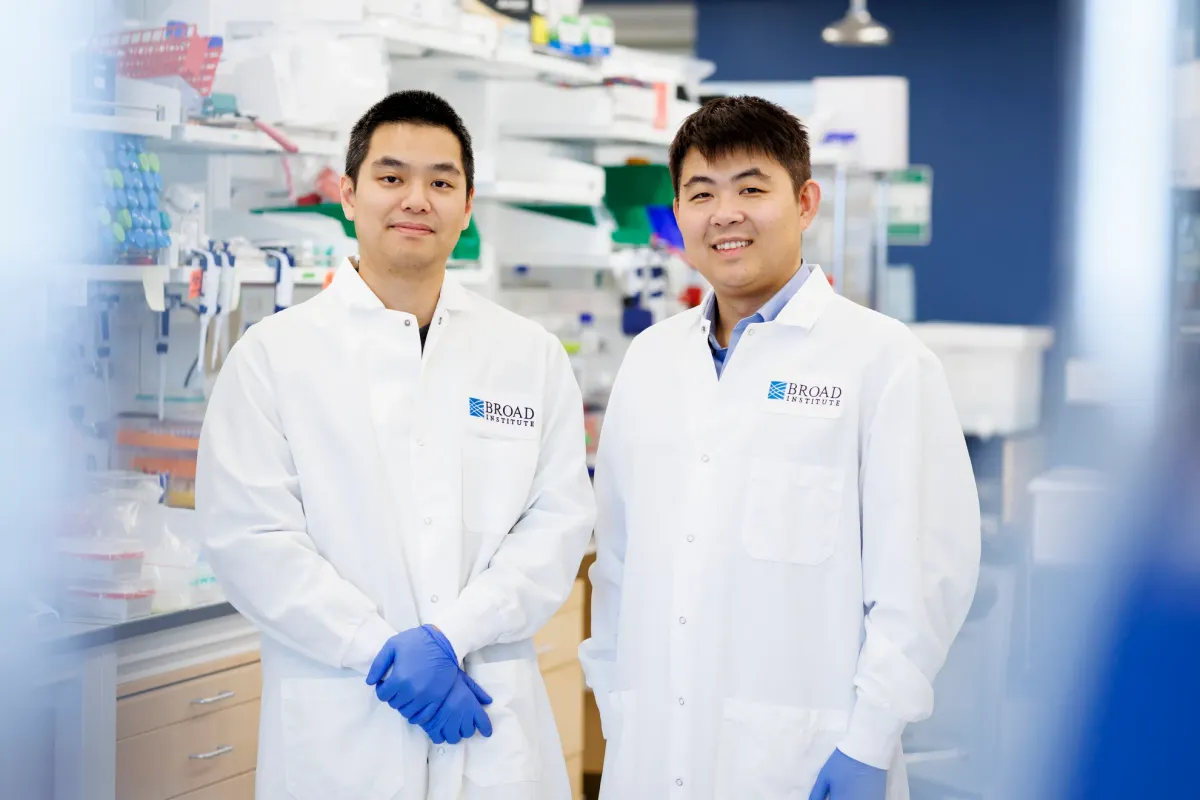
"It's like a time machine for the cell," says Fei Chen, an associate professor of stem cell and regenerative biology at Harvard and the Broad Institute who led the study. "You can look at a cell now to see how its past influences the present — for example, what genes were turned on in the past to cause a cancer cell to become resistant to drugs."
We're a new kind of news feed.
Regular news is designed to drain you. We're a non-profit built to restore you. Every story we publish is scored for impact, progress, and hope.
Start Your News DetoxThe impact is significant. By preserving RNA inside these vaults, researchers extended its lifespan more than sevenfold — from 17 hours to 132 hours. That's enough time to actually trace the molecular breadcrumbs that explain why a cell behaves the way it does. The preserved information even gets passed to daughter cells when the original cell divides, creating a kind of molecular inheritance.
In early tests, the team exposed cells to stressors like heat shock and oxygen deprivation, then used TimeVault to detect the cellular responses long after they would have normally disappeared. They also applied the technique to cancer cells, identifying the genetic changes that preceded drug resistance. This isn't just academic curiosity — understanding the sequence of events that makes a cancer cell resistant could eventually help researchers design better treatments or predict which patients might develop resistance.
Leonard Rome, the biologist who first discovered vault structures in 1986, called the application "an entirely new method for probing a cell's history." What makes TimeVault different from previous approaches is that it doesn't require destroying the cell to read its records. The information stays intact, accessible, and inherited.
The technique opens doors across multiple fields. Developmental biologists could trace how a cell "decides" to become a neuron or a heart cell. Cancer researchers could map the exact sequence of mutations that lead to metastasis. Even aging research could benefit — understanding which genes were active at different stages might reveal why cells eventually lose their ability to function.
For now, TimeVault exists in the lab. But Chen's team is already thinking about how to make it practical for real-world medicine.