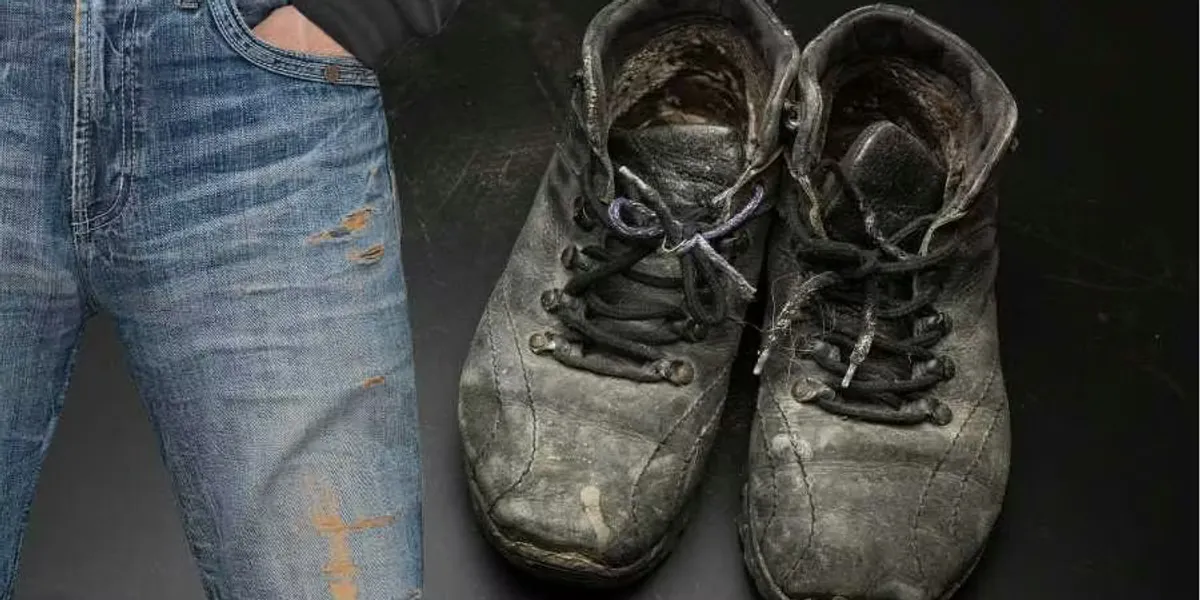
David Breaux was known as "the Compassion Guy" in Davis, California. For 14 years, he made it his life's work to ask people for their definitions of compassion, having given up all his possessions to live a life of purpose and simplicity. Then, in April 2023, he was killed.
It felt like a cruel cosmic joke: the man dedicated to peace met a tragic end. His sister, understandably, was devastated. Amidst her grief, she stumbled upon a message David had sent her earlier. It read: "If I’m ever harmed or unable to speak for myself, forgive the perpetrator and help others forgive that person."
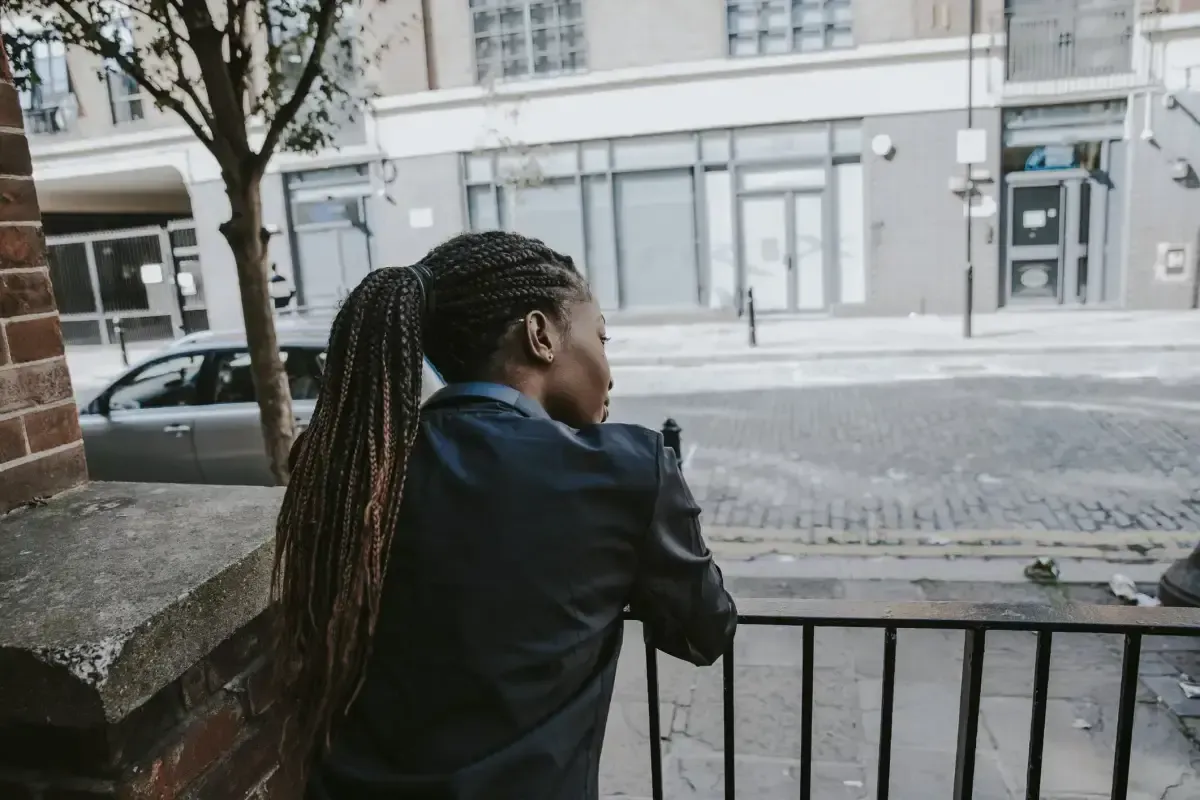
Soon after, she found herself in a courtroom, staring at the young man accused of taking David's life. How on earth, she wondered, could she honor David's impossible wish while still drowning in sorrow? She knew she had to try.
We're a new kind of news feed.
Regular news is designed to drain you. We're a non-profit built to restore you. Every story we publish is scored for impact, progress, and hope.
Start Your News DetoxThe Unlikely Path to Empathy
She latched onto a single word: "practice." Forgiveness, she realized, wasn't a switch you flip; it was a journey. She sought wisdom from others who had stared into the abyss and still found a flicker of empathy. She studied Eva Kor, a Holocaust survivor who forgave those who killed her family. She absorbed Jack Kornfield's 12 Principles of Forgiveness. And from Fred Luskin, she learned to "be at peace with the vulnerability inherent in human life."
These weren't easy lessons, especially with David's words echoing in her mind. But they guided her. Then, something unexpected happened. As she learned more about Carlos Reales Dominguez, the young man accused of the crime, she started noticing unsettling similarities between their lives.
Finding Common Ground
It sounds almost perverse to seek common ground with someone who killed your brother. Yet, during the trial in May and June of 2025, she did just that. Both her mother and Carlos had schizophrenia, a diagnosis Carlos received during the trial. Both her mother (from Jamaica) and Carlos (from El Salvador) were immigrants. They shared roots in lower-middle-class families, growing up in tough neighborhoods.
Even more eerily, David, Carlos, and the author were all honors students, all survivors, all accepted into college — with Carlos and the author being first-generation students. They had all navigated significant challenges, a realization that shifted her perspective. She began to see Carlos not just through the lens of her own pain, but through the experiences of many kids she grew up with — kids who faced domestic abuse, sexual abuse, and food insecurity, leading to difficult paths.
These shared stories hit her hard. She realized it took specific practices to even be open to hearing them: active listening, mindfulness, and deep self-reflection. These tools didn't erase her pain, but they helped her process it, understand her own humanity, and, surprisingly, Carlos's. She learned to observe her emotions without judgment, recognize her biases, and take in the broader context of suffering. It didn't stop her grieving, but it accelerated her healing and deepened her capacity for empathy.

David's request, her diligent study of forgiveness, and her deeper understanding of severe mental illness made her path to forgiveness clearer. She believes anyone can reach a place of openness and empathy, given enough time and space. It might not be a quick fix, but the possibility, she insists, is always there.
Carlos's first trial ended in a hung jury, and a retrial is now underway. The author, further along in her healing, is working with transformative justice organizations, groups that advocate for fair chances for those who have committed crimes. As civil rights attorney Bryan Stevenson famously wrote, "Each of us is more than the worst thing we’ve ever done."
She's in a better place, still healing, still finding purpose. To protect her peace, she's limiting her involvement in the retrial, choosing to approach everything with clear-eyed compassion and the resources she's hard-won. Because sometimes, the most profound acts of love are the hardest ones to practice.