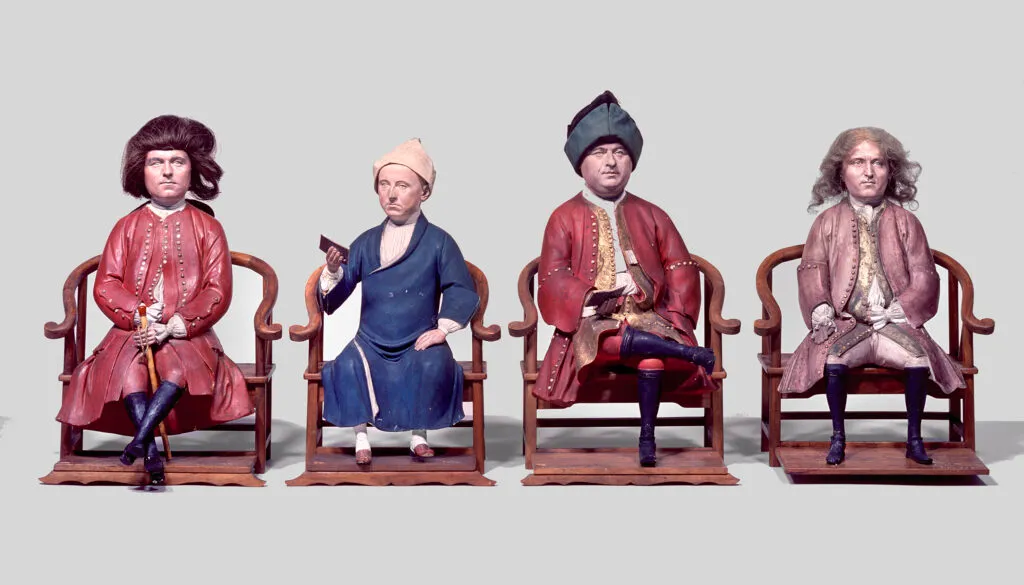
In Canton's bustling port during the 1700s, something unusual was happening. European and American merchants arrived to trade, and they wanted portraits—lots of them. They commissioned local Chinese artists to paint their likenesses in oils, sculpt them in unfired clay, even craft them from hair and wood. The merchants paid well. The work was prolific. And then, for centuries, the artists simply disappeared from history.
They didn't actually disappear, of course. They painted under names like "Lam Qua" and "Spoilum." They built reputations. They worked steadily. But their individual identities remained obscured, buried under layers of colonial indifference and a Western art world obsessed with the singular genius of named masters.

Now, UC Berkeley professor Winnie Wong has done what no one else has attempted: she's written the first sustained history of these artists. Her new book, The Many Names of Anonymity, doesn't pretend to solve every mystery—the historical record is too fragmented for that. Instead, it asks better questions. Who were these painters? How did they work? And why did they sometimes use multiple names across decades, as if anonymity itself was a strategy rather than a failure of documentation.
We're a new kind of news feed.
Regular news is designed to drain you. We're a non-profit built to restore you. Every story we publish is scored for impact, progress, and hope.
Start Your News DetoxWong discovered something revealing in her research. The names weren't mistakes or evidence of lost records. They were often deliberate. Some artists may have used different names to avoid trouble for associating with foreigners—a real risk in Qing-era China. Others might have kept names consistent across generations as a kind of brand, a way to signal quality to Western merchants who recognized the mark but not the person behind it. And some simply reflected a different cultural approach to artistic identity altogether. Where European painters built legacies around their individual names, Chinese artists were more fluid, more playful with identity itself.
This distinction matters more than it might seem. It reveals how much our modern obsession with the named artist—the idea that genius must be attributed, that legacy requires a signature—is culturally specific, not universal. The Cantonese portraitists weren't anonymous because they were less skilled or less ambitious. They were anonymous partly because their culture didn't demand the same kind of individual branding that Europe had come to expect.
Wong's work is still uncovering individual stories. Lam Qua, it turns out, wasn't one person but a name used across generations. Spoilum's identity remains more elusive. But the book itself represents something important: a refusal to let these artists stay forgotten just because the historical record is messy. It's scholarship in service of visibility, restoring not just names but context—the economic networks, the cultural negotiations, the daily decisions that shaped a remarkable moment when two worlds collided in a port city and created something neither had quite seen before.