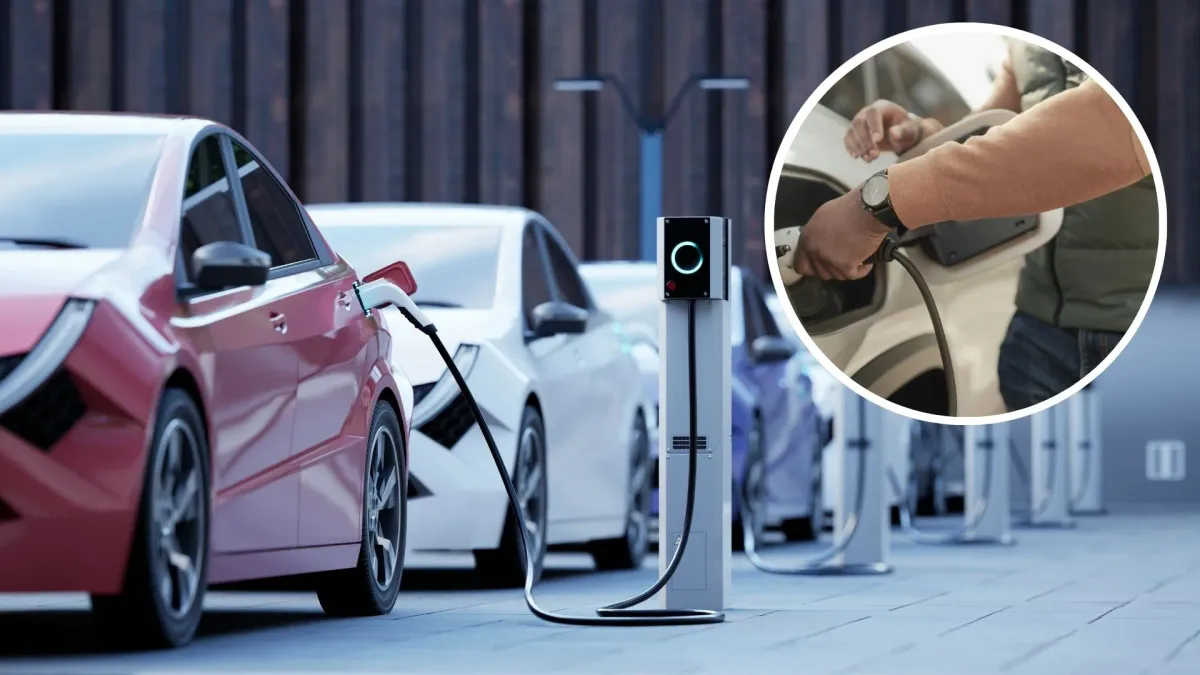
In the early 1900s, electric cars weren't fringe technology — they were status symbols. Rauch & Lang, Columbia, Detroit Electric, and Studebaker built sleek, quiet machines that started with a flip of a switch. You cranked a gasoline car by hand, risked breaking your wrist, and breathed fumes. Thomas Edison himself dismissed gas engines as "noisy and foul-smelling," betting that electricity would dominate the roads.
Then something shifted. By 1916, despite optimism that Henry Ford and Edison would team up to mass-produce affordable electric cars, that future never arrived. Electric vehicles couldn't match gasoline's speed, range, or the growing network of fuel stations. The technology hit a ceiling — one we wouldn't seriously try to overcome for another 80 years.
The hybrid that arrived too early
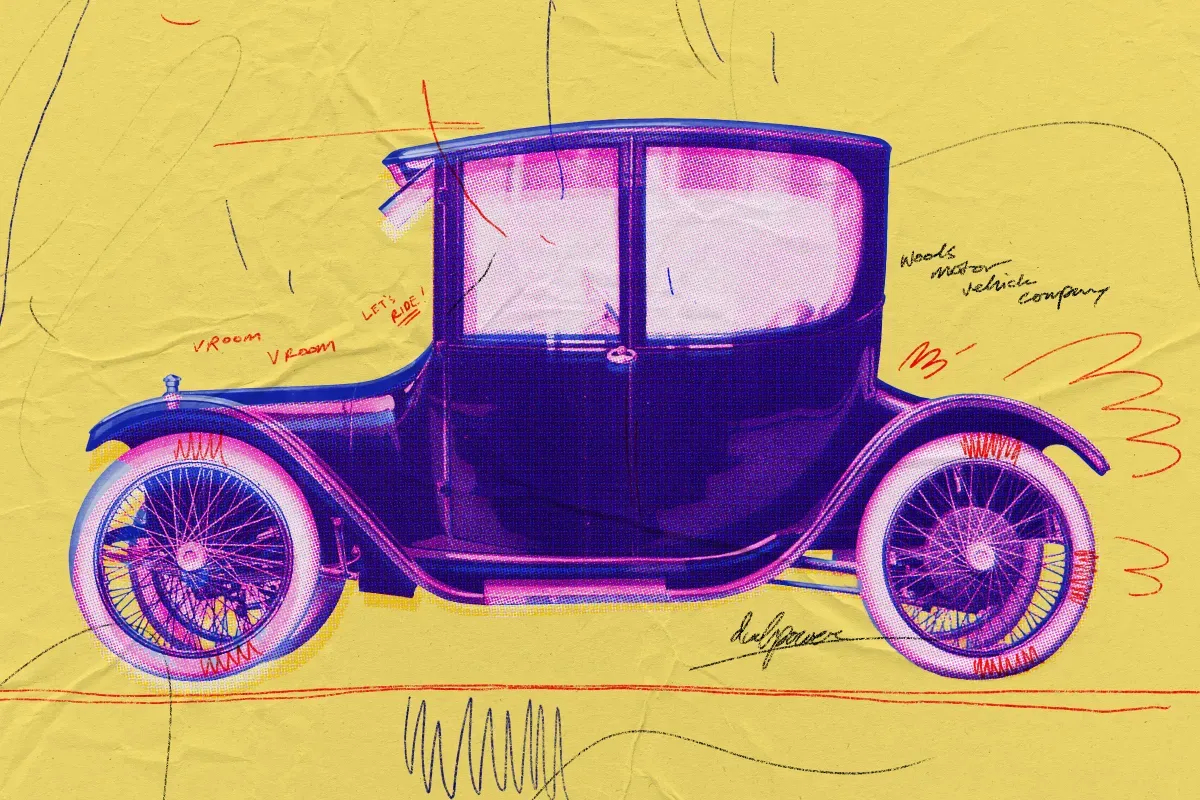
But there was a third path. Clinton Edgar Woods, an engineer who'd been designing electric cars since the 1890s, saw a way to sidestep the whole either-or debate. His 1916 "Dual Power" hybrid paired a small gasoline engine with an electric motor-generator and regenerative braking — the same principle that powers modern hybrids today. No clutch needed. Smooth operation. The engineering was sound.
We're a new kind of news feed.
Regular news is designed to drain you. We're a non-profit built to restore you. Every story we publish is scored for impact, progress, and hope.
Start Your News DetoxThe problem was brutal arithmetic. Woods's hybrid cost nearly four times what a Ford Model T did. In an era when a Model T represented affordable transportation for ordinary families, price wasn't just a disadvantage — it was a death sentence. The market chose cheap and reliable over elegant and complex.
What's striking isn't that Woods failed, but how completely he vanished. His name barely appears in automotive history. We remember Edison's electric car dreams, Ford's assembly line revolution, and the gasoline engine's triumph. Woods, who actually built a working synthesis of both worlds, became a footnote.
If American manufacturers had invested in hybrid designs in the 1910s and 1920s, we might have solved electric vehicle limitations decades earlier — potentially avoiding decades of carbon-heavy transportation dominance. Instead, gasoline's advantages locked in a path that lasted a century.
Today, hybrids are finally the bridge Woods imagined: buying time while battery and charging infrastructure catch up to what drivers actually need. The irony is that we're circling back to his solution, just a hundred years late. Woods's Dual Power points to a road not taken — and suggests that sometimes the best ideas arrive before the world is ready to pay for them.