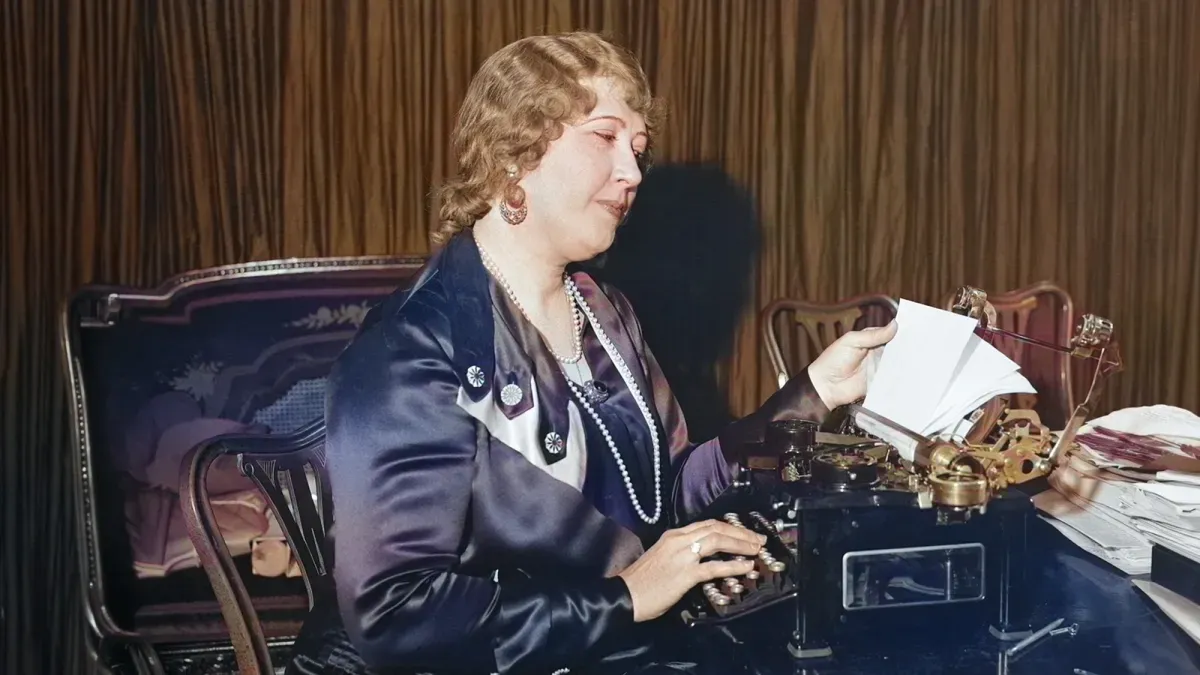
Imagine inventing something at age nine that let a man tip his hat without dropping his newspaper. That was Beulah Louise Henry. By the time she passed away at 85, she had so many patents that the press called her "Lady Edison." Seriously cool. She even claimed her ideas were "messages from a guiding spirit." Wild.
Her creations were everywhere. Think dolls with eyes that changed color, a sewing machine that didn't need a bobbin, and a special clock to help kids learn time. This wasn't just a hobby; it was a lifetime of clever solutions.
Henry grew up in Raleigh, North Carolina, with a prominent lawyer father and a mother whose dad was a former state governor. She went to Elizabeth College, a women's school in Charlotte. Her first patent in 1912 was for a vacuum ice cream maker. It could run on a motor or a hand crank, which was super smart before electricity was everywhere. It also used way less ice than other machines.
We're a new kind of news feed.
Regular news is designed to drain you. We're a non-profit built to restore you. Every story we publish is scored for impact, progress, and hope.
Start Your News Detox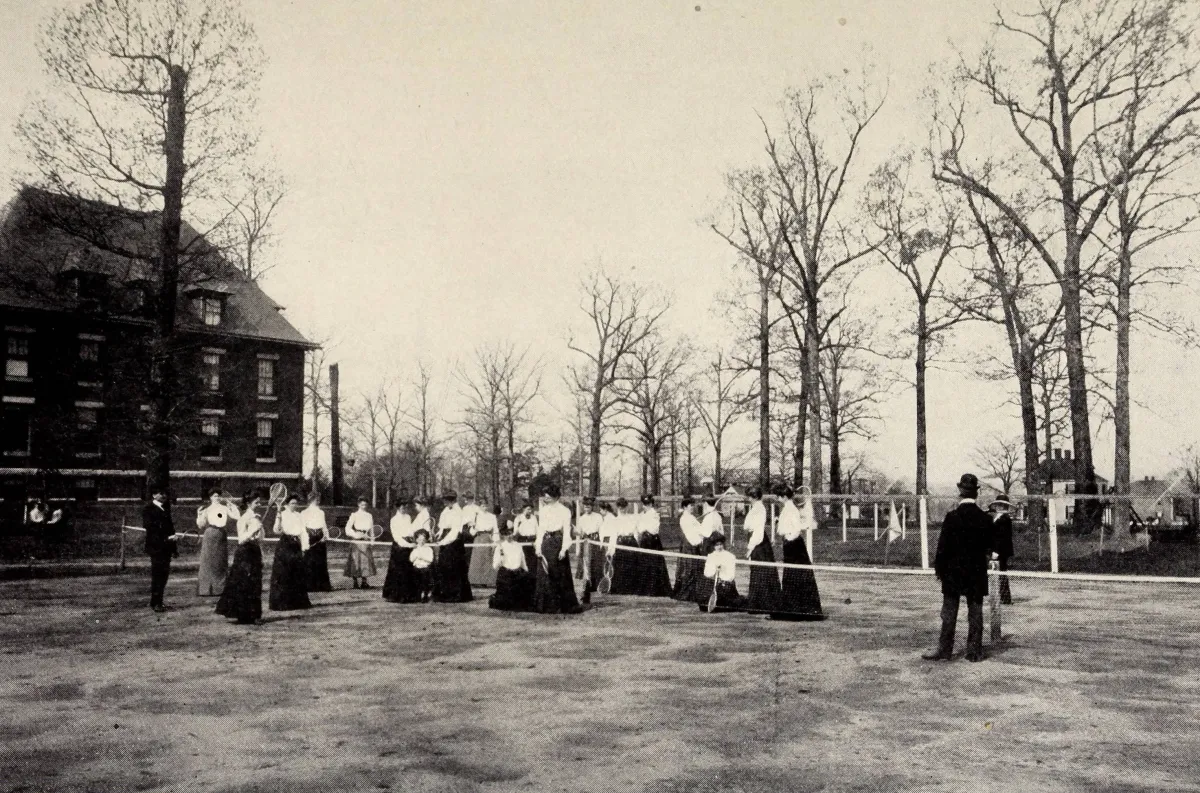
But getting that ice cream maker sold was tough. Retailers in Memphis just weren't interested. Her next idea, a parasol with changeable snap-on covers, also faced a wall of skepticism. Manufacturers in New York told her it was impossible to attach snaps to umbrella ribs. They just didn't get it.
Refusing to Quit
Kara Swanson, a law professor, points out that there were biases against women inventors back then. But Henry was "strongly motivated." She decided to build the parasol prototype herself. By the mid-1920s, she had the patents and licensed her umbrella for sale. It became a hit at Lord & Taylor, a major department store. It sold like crazy.
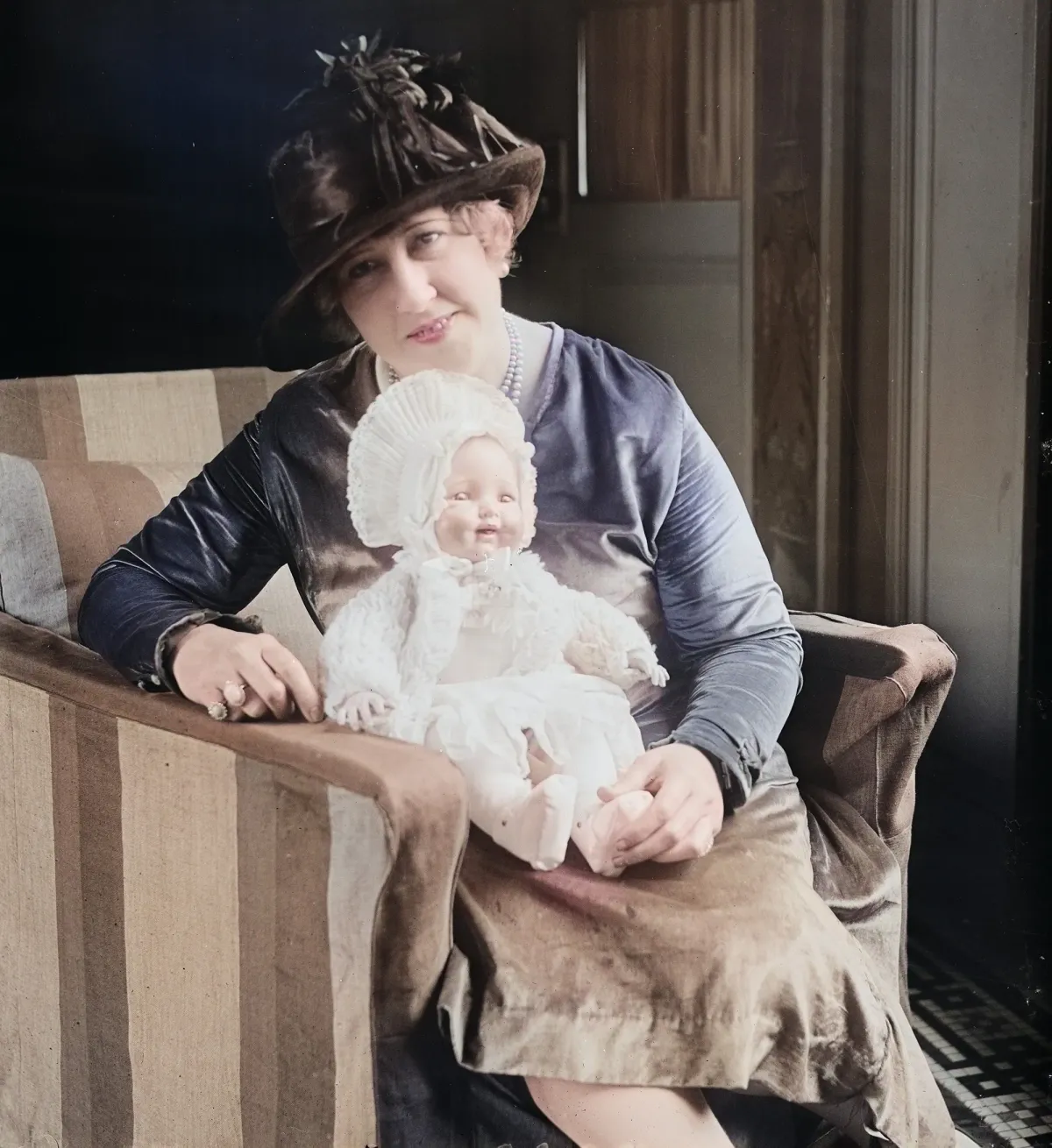
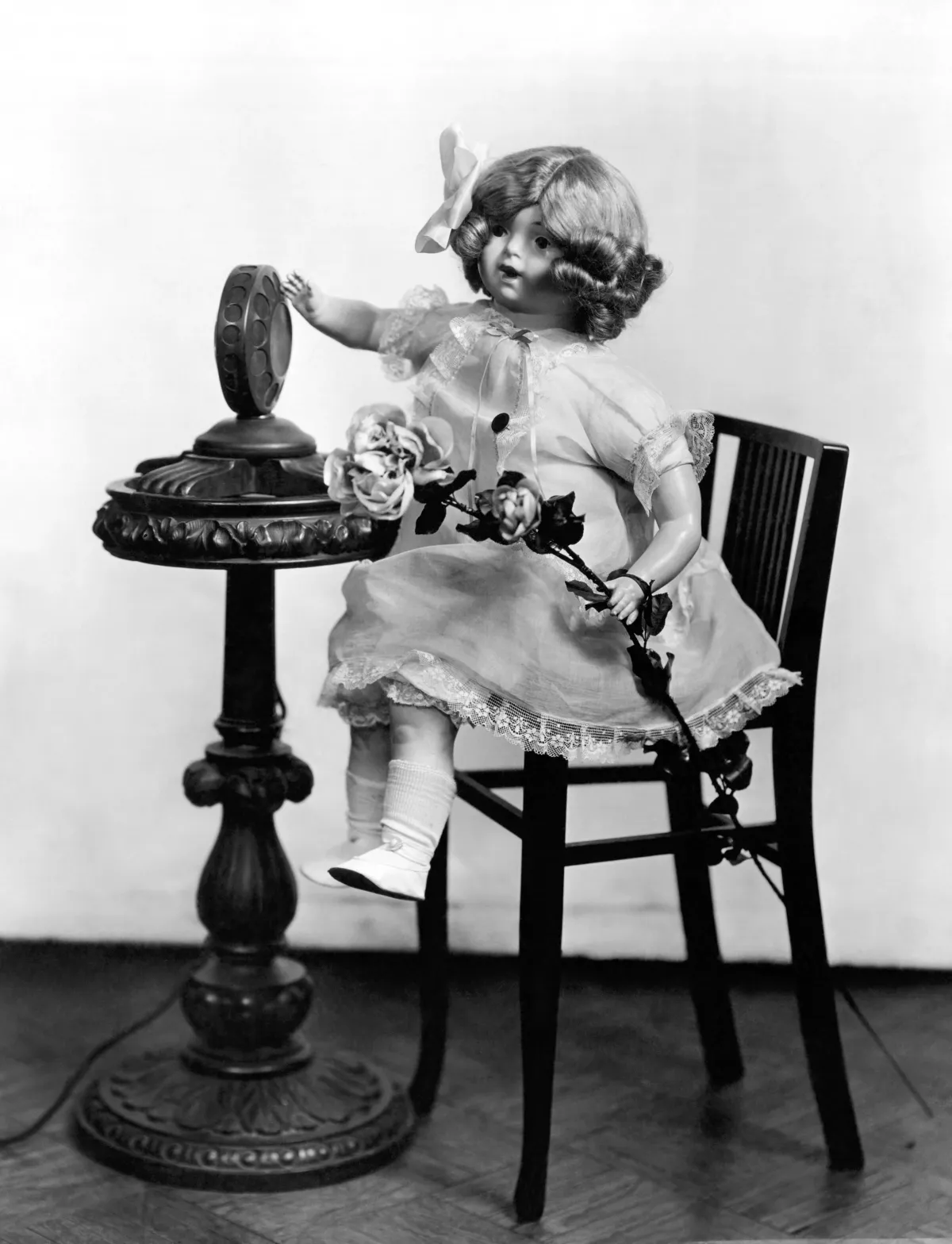
Henry lived in hotels in Midtown, New York, which put her right near patent lawyers and retailers. She never married or had kids, but she saw huge potential in the children's toy market. She invented a doll with a built-in radio and a water floaty shaped like inflatable swans. She also came up with new ways to seal air-filled balls.

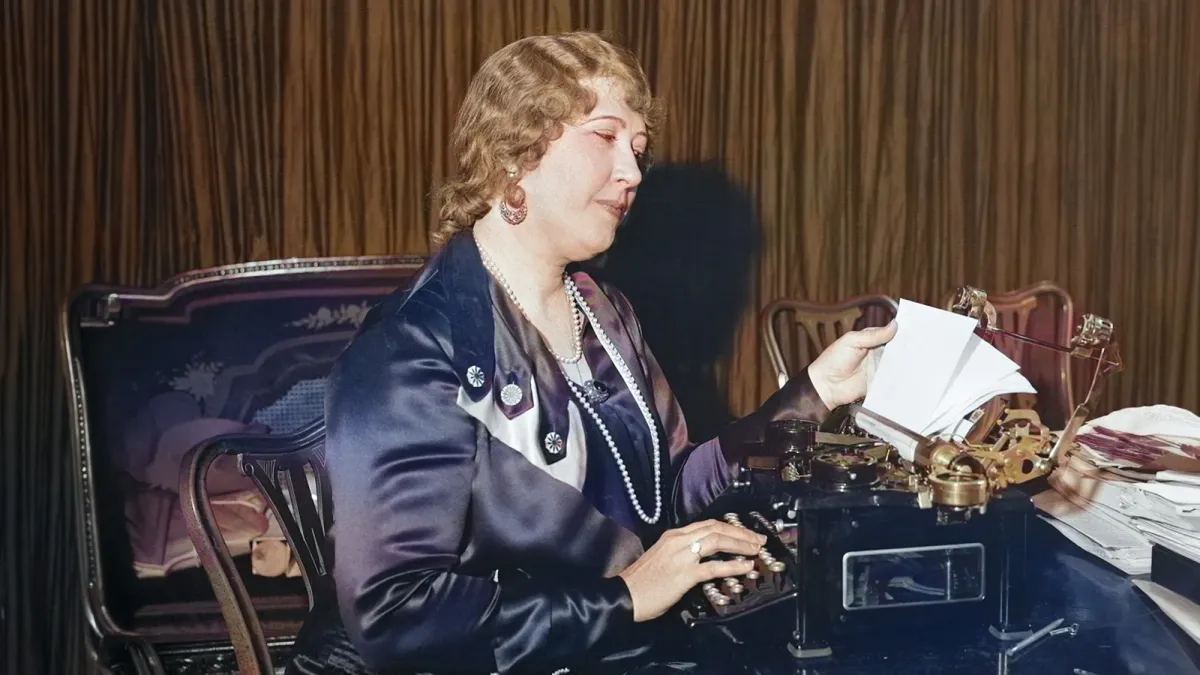
She also focused on devices for women. This included an attachment for typists to make copies without getting their hands dirty. And an industrial sewing machine that made super strong double seams. Even if these ideas were harder to get patented, they often found big success in stores.

Swanson notes that women did most of the shopping. So even for bigger purchases, manufacturers knew women were key. Henry was an independent woman who worked late and loved to dance. Through the 1920s and 30s, even during the Great Depression, she and her team averaged more than two patents a year.
"I invent because I cannot help myself," Henry once said. Reporters were so blown away by her many inventions that they compared her to Thomas Edison. The nickname "Lady Edison" just stuck.
A Creative Life
By the 1940s, Henry was a known figure. She was respected, though a bit quirky. Her hotel rooms were famous for smelling of incense. She had many pets like birds, turtles, and a cat named Chickadee. She even had a telescope to stare at the night sky.

After World War II, she kept inventing. She created Milka-Moo, a plush cow that squirted milk. There was also a toy dog that ate real food. Her ideas included inflatable parts for dolls, making them lighter and easier to clean. She even invented a device that continuously basted a roast. Seriously, a roast basted itself.
Henry got her 49th and final patent in 1970 for a new "direct and return" envelope. She likely created more than twice that many inventions in her lifetime. Half of them never even made it to the patent stage. Still, getting so many patents was rare for any inventor, not just women.
In 2006, 36 years after her last patent, Henry was finally recognized for her brilliant mind by the National Inventors Hall of Fame. It's a reminder that sometimes the coolest stories take a while to get the recognition they deserve.