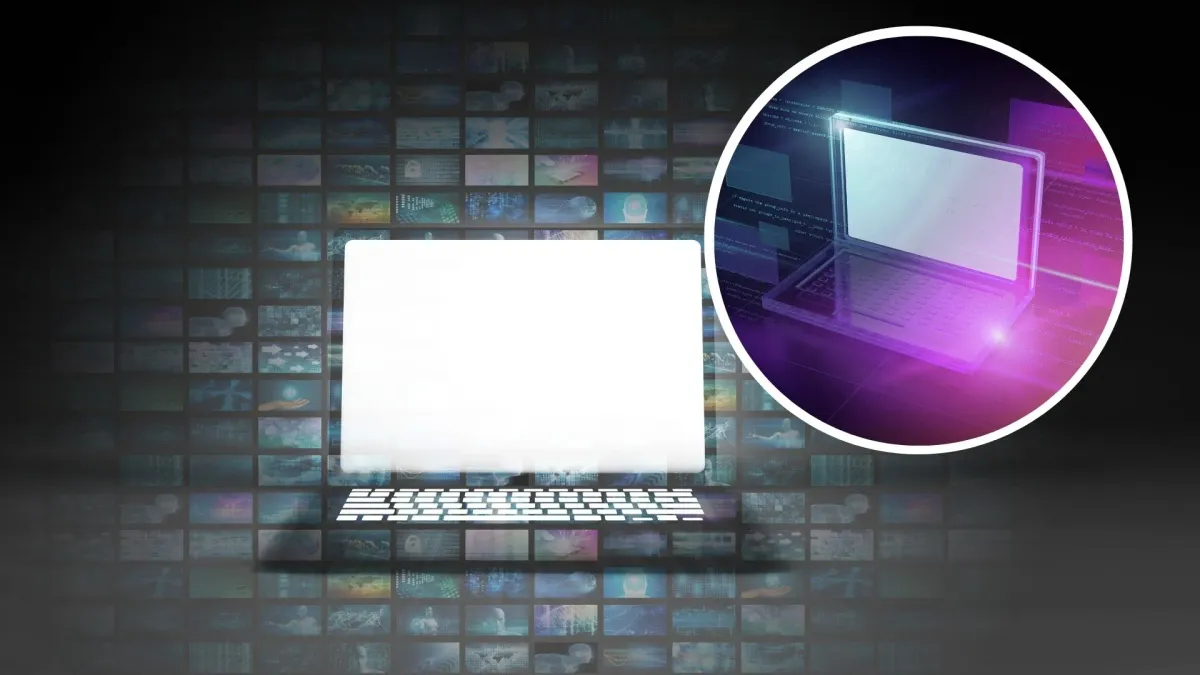
If you've ever felt your laptop turn into a space heater mid-Zoom call, you know the problem: thin devices and powerful processors don't mix well. Mechanical fans are loud, they fail, and they take up space. A New Jersey startup called YPlasma just showed the first laptop that doesn't need one at all.
Instead of spinning blades, the laptop uses something called dielectric barrier discharge plasma — essentially cold plasma that creates a high-velocity wind with no moving parts. It's so thin (200 microns, thinner than a human hair) that it can be embedded directly into the heat sink or chassis. The result: a genuinely silent machine. We're talking 17 decibels, which is quieter than a whisper.
Why This Matters Now
Laptops are getting thinner and AI is getting hungrier. That's a collision course. Traditional fans hit their limits when you squeeze the hardware into a slimmer frame, and they're inherently noisy because, well, they're mechanical. Corona discharge devices (an earlier plasma approach) solved some problems but created new ones — they produced ozone, which you don't want circulating near your face for eight hours a day.
We're a new kind of news feed.
Regular news is designed to drain you. We're a non-profit built to restore you. Every story we publish is scored for impact, progress, and hope.
Start Your News DetoxYPlasma's system sidesteps that entirely. The dielectric barrier prevents the kind of discharge that produces harmful byproducts, making it safe for enclosed spaces like a laptop. The company also engineered it to avoid "tip erosion," the failure point that kills corona needles over time. This cooling system, they say, will last as long as the device itself.
What makes this genuinely interesting is the versatility. The same technology can both cool and heat — something a mechanical fan can't do. The company is already talking about applications beyond laptops: car cooling systems, aircraft thermal management, wind turbines, even propulsion systems for drones and spacecraft.
What's Next
YPlasma's first laptop is coming soon. If it works as promised, the era of the whirring fan might actually be ending. That's not just about comfort — it's about what becomes possible when you stop being constrained by the physics of moving parts.