Between roughly 1,100 and 400 years ago, a massive rain belt that stretches over 7,000 kilometers across the Pacific began shifting eastward. As it moved, the western islands dried out while the eastern islands grew wetter. New research suggests that islanders didn't wait for conditions to improve — they packed up and followed the water.
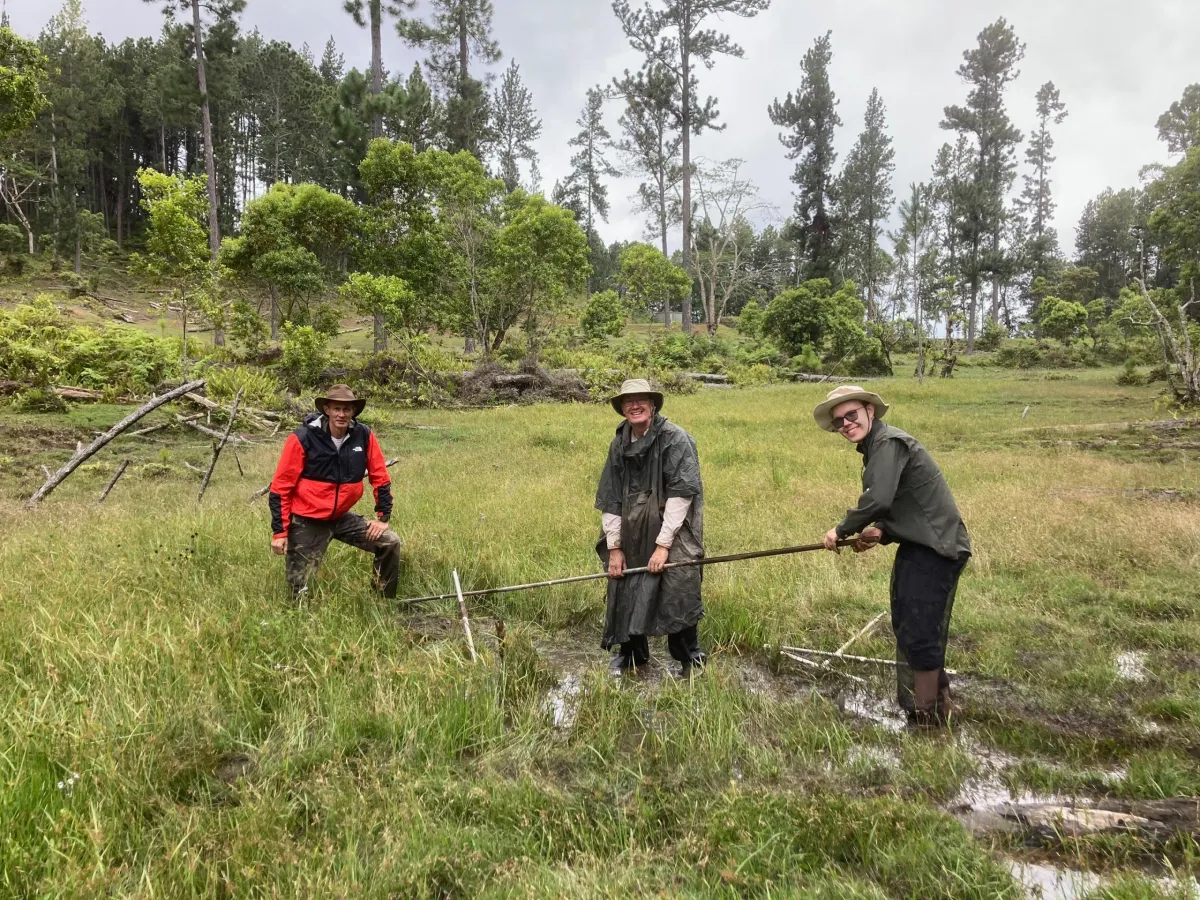
The discovery comes from an unexpected source: plant waxes preserved in sediment cores. Scientists extracted these cores from Tahiti and Nuku Hiva in Eastern Polynesia, looking for chemical fingerprints that reveal whether ancient plants grew during wet or dry periods. Plant waxes, the fatty layers that coat leaves, hold onto these clues for centuries. By analyzing them in the lab and combining the data with existing climate records from across the Pacific, researchers could map out how rainfall patterns shifted over 1,500 years.
The culprit behind the shift appears to be a natural change in how warm water circulates across the Pacific Ocean. This triggered a movement of the South Pacific Convergence Zone — one of the largest rain systems on Earth — pushing it steadily eastward. What sounds abstract in climate terms had real consequences for people living on islands dependent on freshwater for drinking and farming. As the western islands became drier, staying put meant risking water shortages. As the eastern islands became wetter, they became magnets for migration.
We're a new kind of news feed.
Regular news is designed to drain you. We're a non-profit built to restore you. Every story we publish is scored for impact, progress, and hope.
Start Your News Detox"Water is essential for people's survival, for drinking and successful agriculture," notes Dr. Mark Peaple of the University of Southampton, one of the study's lead authors. "If this vital natural resource were running low, it's logical that over time the population would follow it and colonize in areas with more reliable water security — even if this meant adventurous journeys across the ocean."
What makes this research striking is how it reframes migration not as exploration for its own sake, but as a rational response to environmental change. These weren't random voyages — they were step-by-step movements from drying islands toward wetter ones, island by island, eventually reaching places like the Cook Islands and Tahiti. It's a reminder that long before modern climate science, people were already reading their environment and adapting to survive.
The findings open new questions about how many other ancient migrations might have followed similar patterns. Researchers say further archaeological work could help clarify exactly when and how many people made these journeys, and whether other Pacific communities responded differently to the same environmental pressures.