Guinea-Bissau has suspended a US-funded hepatitis B vaccine trial after its health ministry flagged serious gaps in ethical review. The decision marks a rare moment when a lower-income nation pushed back against a research design that would have withheld standard medical care from infants.
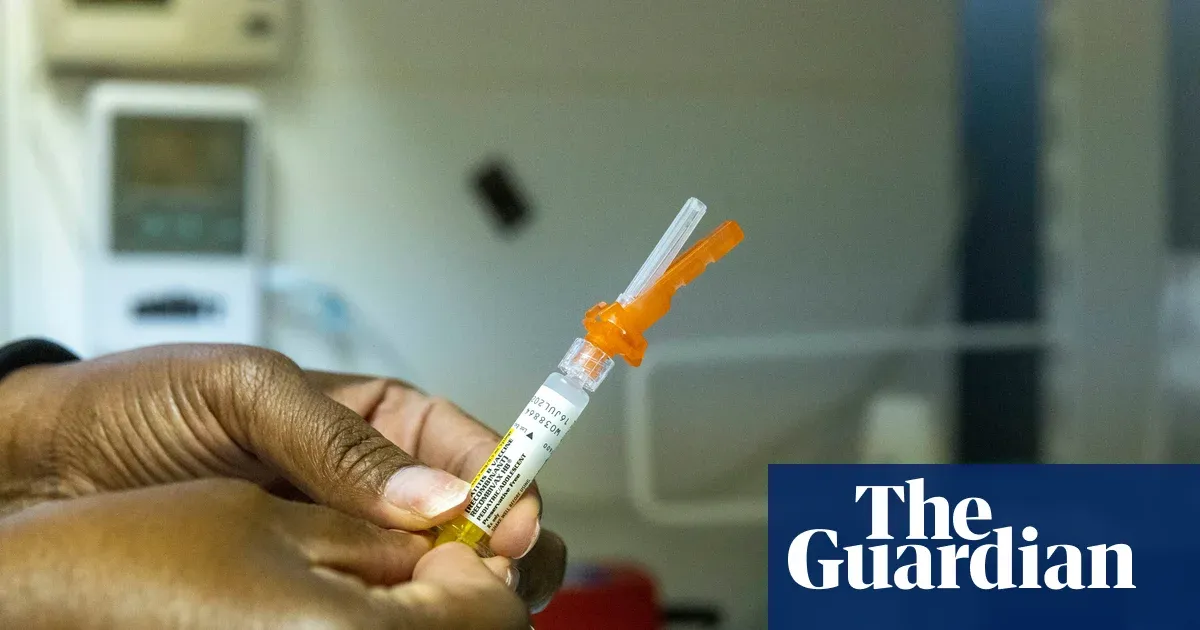
The study, led by Danish researchers and funded by the US Department of Health and Human Services, planned to give the hepatitis B vaccine to 7,000 newborns within 24 hours of birth—following WHO guidelines—while delaying the vaccine for another 7,000 infants until six weeks of age. That delay matters. The World Health Organization recommends all newborns receive the vaccine within a day of birth to prevent transmission from mother to child.
Guinea-Bissau's health minister Quinhin Nantote explained the suspension plainly: the country's ethics committee had approved an earlier version of the study, but researchers made substantial changes without submitting them for proper review. "We think that they did not meet and they did not address this issue adequately," Nantote said.
We're a new kind of news feed.
Regular news is designed to drain you. We're a non-profit built to restore you. Every story we publish is scored for impact, progress, and hope.
Start Your News DetoxWhat followed revealed the pressure dynamics in global health research. The US Department of Health and Human Services initially dismissed Guinea-Bissau's decision as a "public-relations campaign," insisting the trial would proceed. Only later did they acknowledge the study was paused—without directly addressing the ethical objections.
Why This Matters
The incident exposes a persistent tension in medical research: when wealthy institutions fund studies in lower-income countries, who actually decides what's ethical? Jean Kaseya, director-general of the Africa Centres for Disease Control and Prevention, framed it clearly: "It's the sovereignty of the country." He committed to supporting whatever decision Guinea-Bissau's health ministry made, a stance that contrasts sharply with the initial US response.
Medical researchers including Abdulhammad Babatunde, a Nigerian doctor and global health researcher, criticized the study's core design. In clinical trials, he explained, control groups should receive the standard of care—not be denied a proven vaccine. He also warned that officials in Guinea-Bissau might face pressure to reverse the decision, and called on other African nations to stand firm on protecting their authority over their own citizens' healthcare.
Guinea-Bissau faces genuine health challenges. Less than a quarter of the population has access to basic water and sanitation. Maternal mortality remains high. Poverty and food insecurity are widespread. Those realities make it even more important that research conducted there meets rigorous ethical standards, not lower ones.
The suspension doesn't resolve the underlying question of how to conduct better vaccine research. It does, however, establish a precedent: when a country's health ministry says the process wasn't good enough, that voice counts.