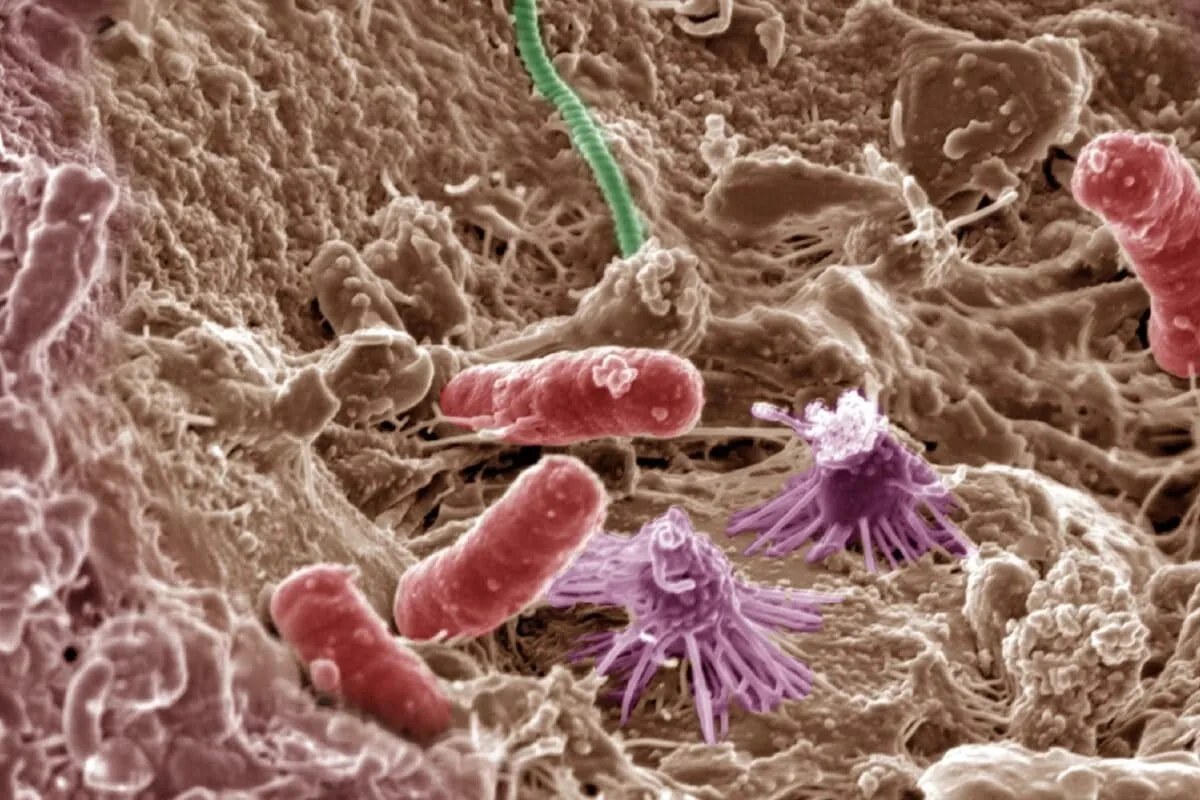
Trillions of microbes live inside you, beneath your feet, and in every ocean on Earth. They're invisible, but they're doing the work that keeps life running—breaking down dead matter, cycling nutrients, producing oxygen, helping plants grow. And for the first time, the scientific community has formally said: we need to protect them.
The International Union for Conservation of Nature just launched a new specialist group dedicated entirely to microbial conservation. It's a quiet milestone, but it matters. "For the first time, we have an official recognition that microbes need to be included in the conservation agenda," says Raquel Peixoto, co-chair of the group and head of the Marine Science Program at King Abdullah University of Science and Technology in Saudi Arabia.
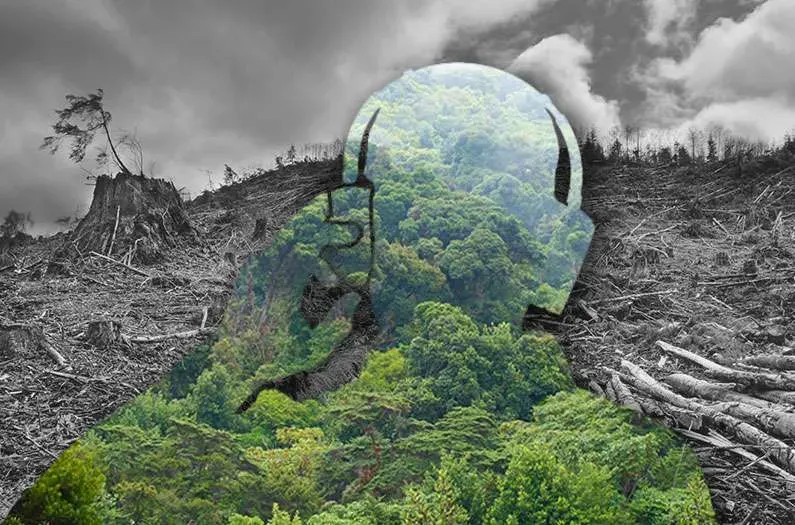
Why now? Because microbes are under pressure. Climate change is warming oceans, threatening organisms like Prochlorococcus—a photosynthetic microbe that produces a significant portion of the world's oxygen. Pollution is degrading soil microbiomes that crops depend on. Land use change is destroying the microbial ecosystems that hold forests together. And we're only beginning to understand how fragile these systems are.
We're a new kind of news feed.
Regular news is designed to drain you. We're a non-profit built to restore you. Every story we publish is scored for impact, progress, and hope.
Start Your News DetoxThe invisible foundation
Every plant, every animal, every human carries entire ecosystems of microbes. These microbial communities aren't passengers—they're essential. They help us digest food, protect us from pathogens, regulate our immune systems. In soil, they make nutrients available to plant roots. In oceans, they form the base of food webs. In wetlands, they filter water and store carbon. Remove them, and the larger systems collapse.
The problem is that microbes have been largely absent from conservation conversations. When we talk about protecting biodiversity, we think of tigers, elephants, coral reefs—things we can see. Microbes don't fit that frame. They're too small, too numerous, too complex to track easily. So they've been overlooked, even as their habitats shrink and their populations decline.
"We cannot talk about either climate change or biodiversity loss without talking about microbes," Peixoto notes. "We need them to keep the ecosystems healthy and working."
The new IUCN group brings microbiologists and conservation experts together to do something that's never been systematically attempted: assess which microbial species are at risk, understand what threatens them, and develop strategies to protect them. It's early work, but it signals a shift in how science thinks about survival on this planet. The invisible world is finally getting a seat at the table.