Shin Ohta had an idea while walking his toy poodle in Ikeda, Gifu Prefecture. His dog often stopped walking, and carrying the nearly five-kilogram (11-pound) pet became a burden. Ohta, who works in sales for Lucky Industries, Japan's oldest baby carrier maker, wondered if their expertise could be used for pets.
After consulting a veterinarian, Lucky Industries launched its first line of dog hip carriers, Nu-i, in 2022. The company then joined many others at Tokyo's annual Interpets conference, showcasing Japan's booming pet care market.
The Rise of Pet Humanization
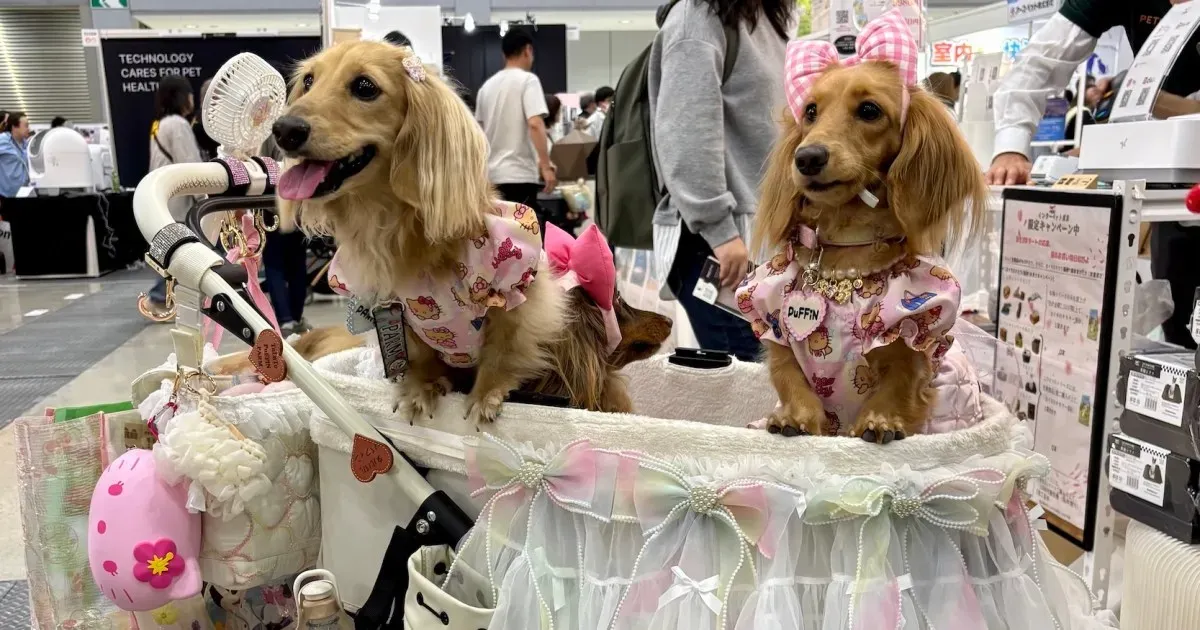
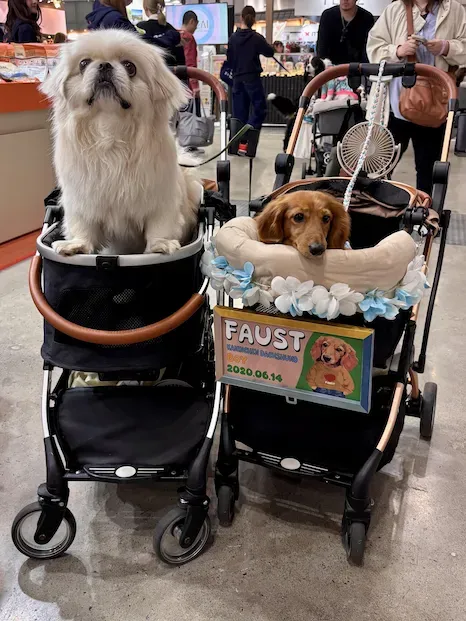
At the Interpets conference, stalls offered everything from pet dryers to organic cat treats. Many pet owners brought their "fur babies" in decorated strollers or doggy slings, often dressed in colorful outfits and diapers.
We're a new kind of news feed.
Regular news is designed to drain you. We're a non-profit built to restore you. Every story we publish is scored for impact, progress, and hope.
Start Your News DetoxPets in Japan now outnumber children under 15 by more than two million. The country's pet care market was worth 880 billion yen ($5.4 billion) in 2025, a significant increase from 689.6 billion yen ($4.2 billion) in 2020.
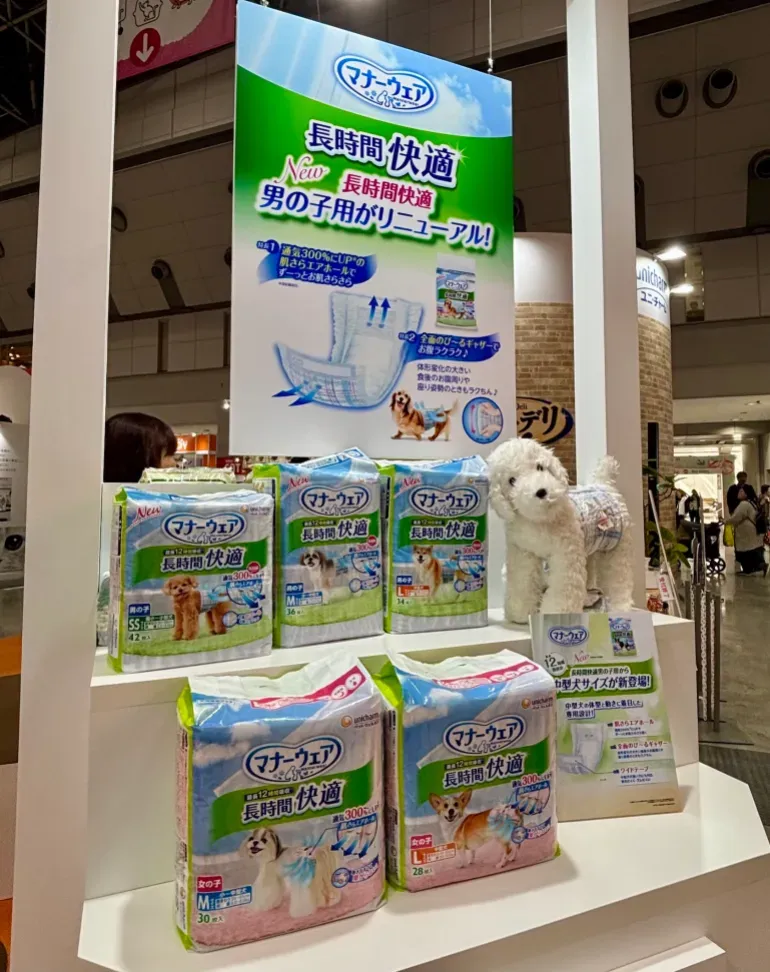
As Japan's birthrate falls, companies that once focused on baby products are now shifting to pets. Unicharm, known for feminine hygiene and disposable diapers, expanded into pet diapers in 2001. Pet care has become a major growth area for the company.
The pet care sector offers higher profit margins than personal care. In 2025, Unicharm's pet care division had a profit margin of 15.4%, compared to 10.7% for personal care. Isshu Uehara, a Unicharm spokesperson, said pet care made up 17% of total sales in 2025, with plans to reach 20% by 2030.
Uehara explained that declining birthrates and changing lifestyles, such as people remaining single or marrying later, lead more people to seek emotional connections through pets. This trend, called "pet humanization," means treating pets like family members. Customers want premium products to extend their pets' lives and share experiences with them.
Adapting to Demographic Shifts
Other companies, like stroller brand AirBuggy and clothing company Sweet Mommy, have also adapted their infant product expertise to the pet market. Lucky Industries CEO Hiroyuki Higuchi noted that when his company started, Japanese families had many children, and mothers needed carriers. Now, families are smaller, with more single-person, childless, or one-child households.
Shin Ohta added that with fewer babies, it's harder to innovate baby products. His life, and many of his friends' lives, now center around their dogs. Higuchi believes the pet sector is a reliable market because dogs are seen as family members in Japan.
Barbara Holthus, a sociologist, explained that pet humanization is a growing trend. With fewer children, pets become a central focus. Pets can also fill other roles, like replacing a partner after divorce or widowhood, or serving as a playmate for an only child. Holthus sees Japan as a key example of changing family structures and the rise of the "multi-species family."
Declining birth rates, loneliness, and urbanization contribute to this trend in Japan. Holthus said it's understandable that companies are shifting to the pet market, as demographic changes are shrinking their traditional baby product market.