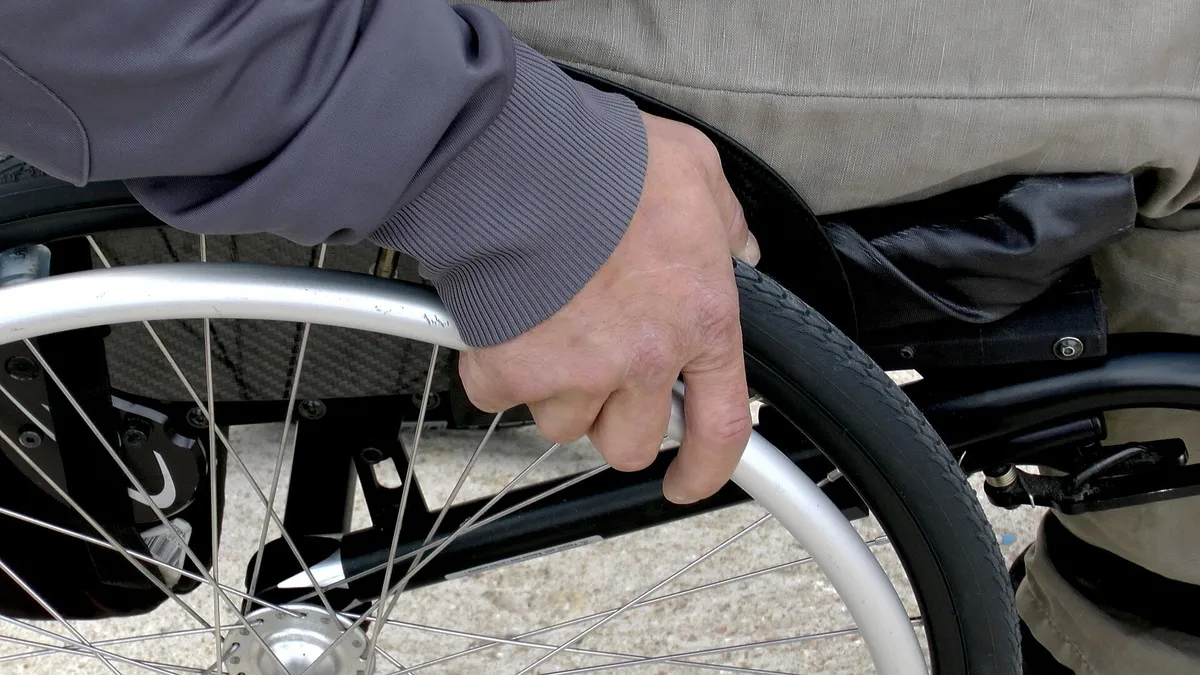
Turns out, a supportive boss isn't just nice to have; it's a game-changer for employees with disabilities. A new study, fresh from the International Journal of Business Innovation and Research, dove into the dynamics between supervisors and their disabled employees, and the results are both affirming and a little bit, well, obvious.
Researchers sifted through surveys from 441 employees with disabilities and their supervisors. The big takeaway? Bosses who actually offer practical help, a listening ear, and useful info are directly linked to better performance. Who knew being a decent human could be so effective?
The Unsung Hero: Company Culture
But here’s where it gets interesting: the overall workplace vibe played a massive role. It’s not just about one-on-one support; it’s about the air everyone breathes. When a company fosters what’s called “psychological safety”—meaning employees feel comfortable speaking up or asking for help without fearing a professional firing squad—that supportive supervisor suddenly becomes even more impactful.
We're a new kind of news feed.
Regular news is designed to drain you. We're a non-profit built to restore you. Every story we publish is scored for impact, progress, and hope.
Start Your News DetoxEssentially, a trusting relationship between a manager and an employee (the fancy term is "leader-member exchange") helps translate that support into real-world performance. You’re more likely to thrive if you feel your boss genuinely has your back.
On the flip side, the study found a rather depressing phenomenon: “stigma by association.” This isn't just negative attitudes towards people with disabilities; it's also directed at colleagues or supervisors who openly support them. Because apparently, that’s where we are now. This kind of subtle — or not so subtle — social punishment can actively discourage inclusive behavior, which is a real shame.
So, what’s the fix? The researchers have a few ideas, especially for places still getting their disability inclusion act together. Think supervisor training, formal mentoring programs, and regular check-ins to ensure everyone still feels safe. And, of course, robust anti-discrimination policies that protect everyone involved, not just the folks with disabilities but also their allies. Because a little support goes a long way, and a lot of support goes even further.