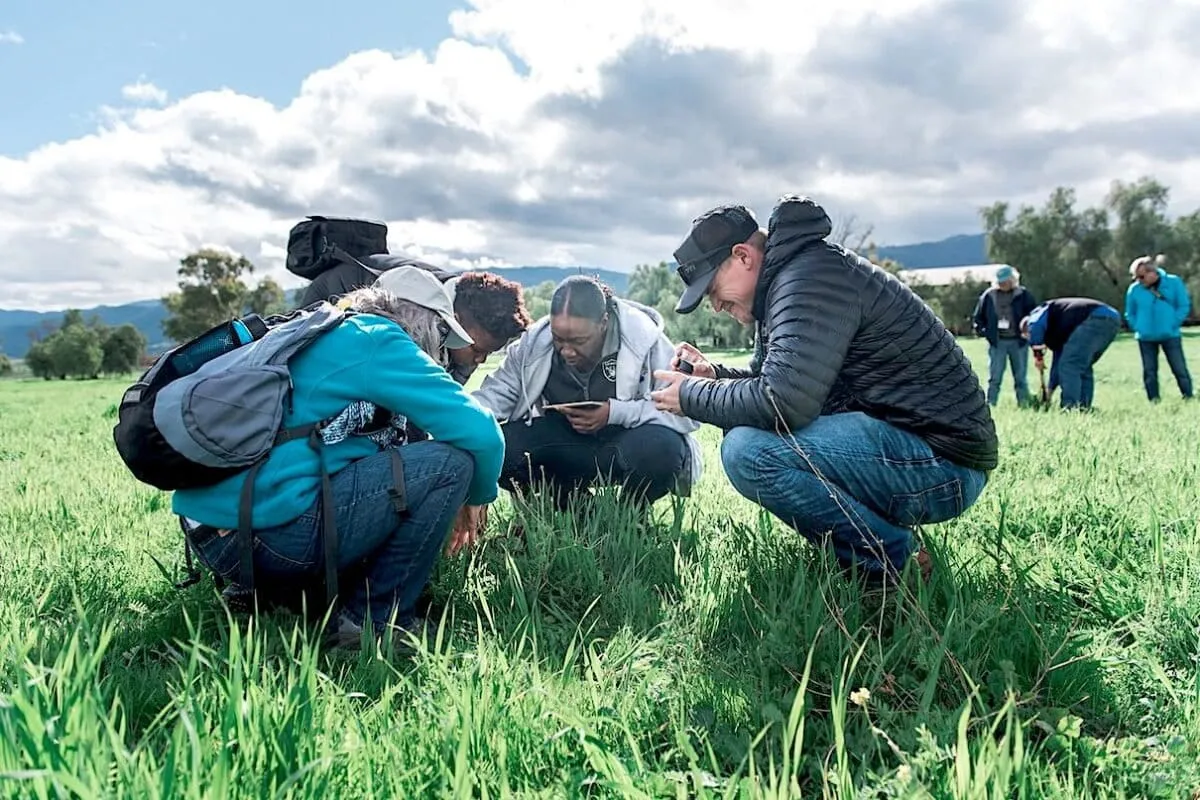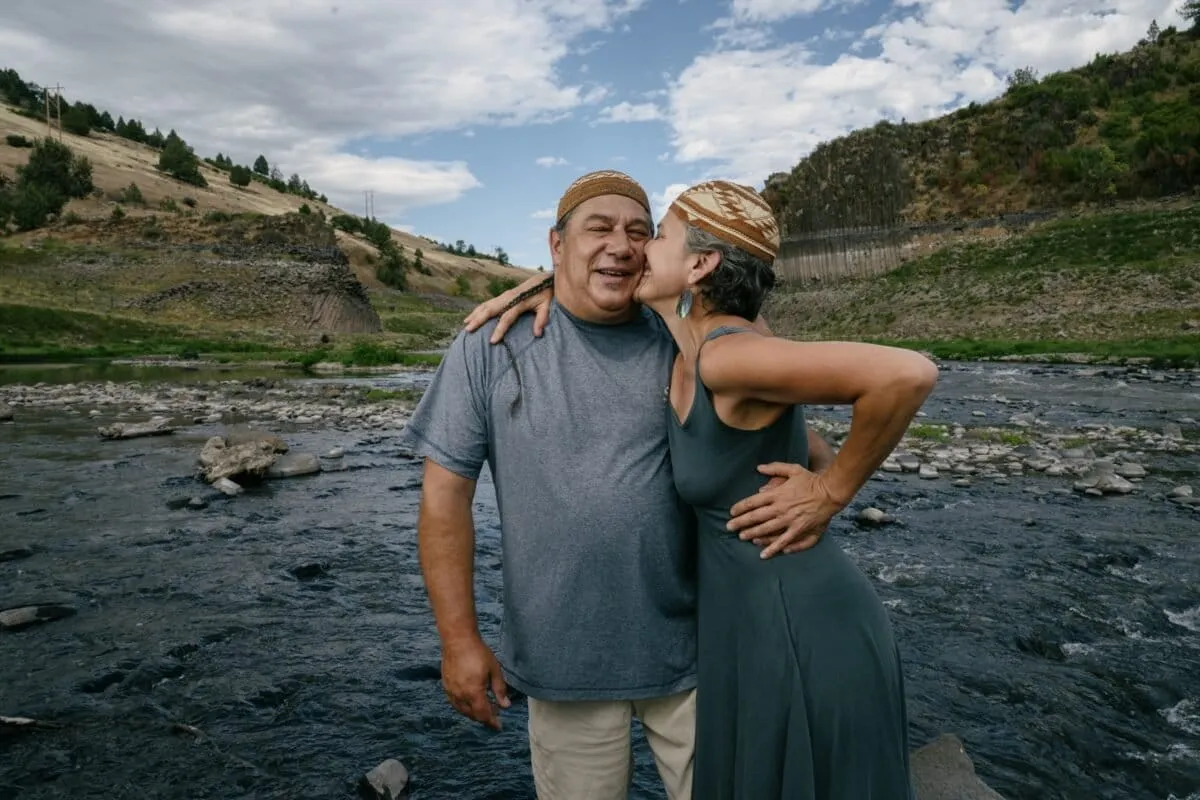
Photographer Kiliii Yüyan spent years traveling to nine Indigenous communities across the globe, camera in hand, trying to understand something that Western conservation keeps getting wrong: how to actually live alongside nature without destroying it.
His new book, Guardians of Life: Indigenous Knowledge, Indigenous Science, and Restoring the Planet, documents what these communities already know. It's not ancient wisdom frozen in time, though thousands of years of observation run through it. It's living knowledge — ecological understanding that adapts, innovates, and works in the modern world, even when the systems around it don't.
Take Palau, a Pacific island nation where the approach to protecting their reef is so embedded in daily life that it barely feels like "conservation" at all. When visitors arrive, they get a passport stamp promising to protect the reef — one of the largest marine protected areas on Earth. But the real enforcement mechanism isn't a fine or a ranger patrol. It's family.
We're a new kind of news feed.
Regular news is designed to drain you. We're a non-profit built to restore you. Every story we publish is scored for impact, progress, and hope.
Start Your News DetoxPalau's governance structure weaves kinship into the protection of the marine area. Hunt illegally there and you won't face a bureaucrat; you'll face your aunt. And everyone will know. "The real magic," Yüyan explains, "is that the traditional governance structure they're all used to over there is what makes it work. What makes it work is family ties."
This is the pattern Yüyan kept encountering. The Indigenous communities in his book — sovereign nations or parts of them — have built legal and governance systems where land, water, and air aren't separate from law. They're woven into it. The rules aren't imposed from outside; they emerge from relationship.
What strikes most about Yüyan's work is how it reframes the problem. We often talk about Indigenous lands as if they need saving. The data tells a different story: Indigenous territories cover about 22% of the global land surface but contain 80% of remaining biodiversity. These aren't fragile reserves waiting for Western expertise. They're functioning ecosystems managed by people who've been doing this successfully for centuries.
Yüyan's photography and the essays from community members themselves — not just outside observers — make the book a genuine conversation rather than a documentation project. It's an invitation to see stewardship not as sacrifice or restriction, but as the foundation of how a society actually works.
The question his work leaves with readers is simple but difficult: If these models work, why aren't we learning from them faster.