
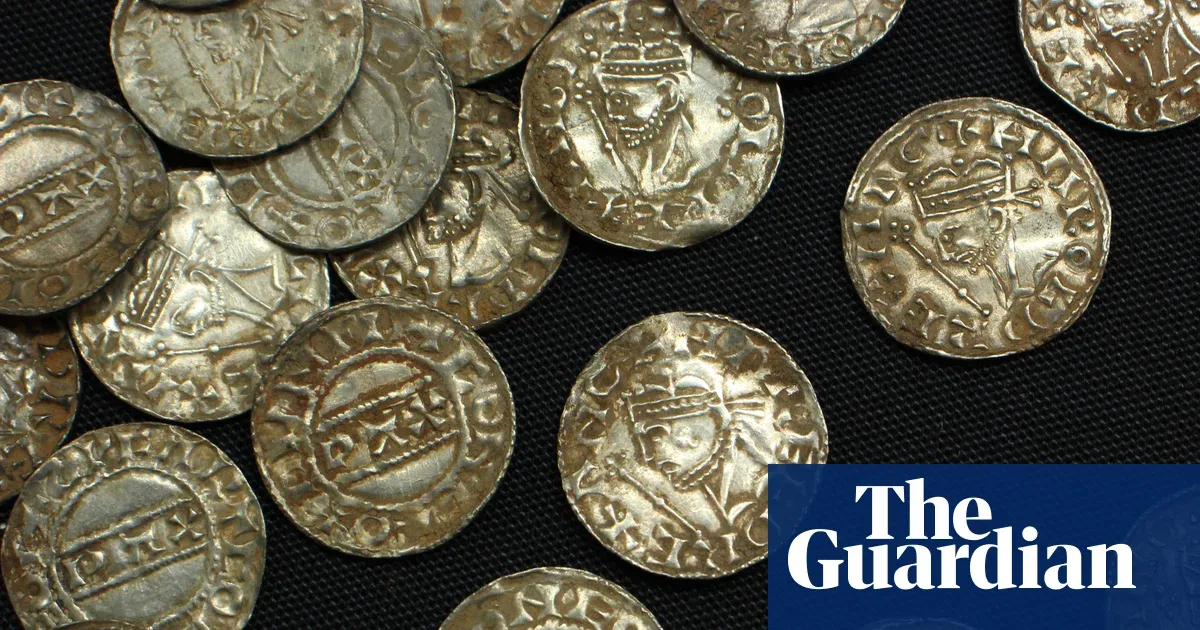
A handful of silver pennies, buried in haste on the eve of 1066, has become one of Britain's most telling finds of the year. The hoard of 179 coins—each stamped with the profile of King Harold II—likely went into the ground just weeks before the Norman invasion, possibly during the chaos of a Norwegian attack on Yorkshire that same autumn. Someone with enough wealth to bury silver chose not to retrieve it. We'll never know why.
This discovery anchors what turned out to be a record-breaking year for archaeology in Britain. The British Museum's annual treasure report shows 79,616 finds recorded in 2024—a jump from 74,506 the year before and 53,490 in 2022. What's striking isn't just the number, but where these objects are coming from: 94% were found and reported by members of the public, mostly metal detectorists working fields and coastlines across the country.
What the Year Uncovered
Beyond the Harold coins, three other discoveries made the museum's showcase this year. A complete Roman vehicle fitting—a copper-alloy bracket that once held a carriage or wagon together—emerged from an Essex field. These fittings rarely survive in Britain, making this one a puzzle piece in understanding Roman transport and trade networks around AD43 to AD200.
We're a new kind of news feed.
Regular news is designed to drain you. We're a non-profit built to restore you. Every story we publish is scored for impact, progress, and hope.
Start Your News DetoxIn Wiltshire, detectorists working ploughland meters apart uncovered fragments of what appears to be an elite early medieval burial: a silver bird's-head terminal inlaid with elephant ivory (possibly from a drinking horn), several gold rings, and other metalwork. The pieces suggest someone of considerable status and far-reaching connections—the kind of person whose goods traveled trade routes across Europe. Cardiff University and the Portable Antiquities Scheme will excavate the site more thoroughly in coming months.
The geographic pattern tells its own story. Norfolk, Suffolk, Lincolnshire, and Gloucestershire accounted for the most finds—counties already known for archaeological richness, but now yielding objects at an accelerating rate. This isn't random. These are regions where metal detecting is active, where the soil preserves things well, and where the Portable Antiquities Scheme has built enough trust that finders report what they discover rather than keeping it quiet.
That last part matters more than it might seem. The system only works because people choose to report finds instead of selling them privately or keeping them hidden. When someone finds a medieval coin hoard, they could pocket it. Instead, thousands choose to log their discoveries with the scheme, creating what amounts to an evolving map of Britain's past.
"Their responsible reporting allows us to build a richer and more detailed picture of life in the past," said Ian Richardson, acting head of portable antiquities at the British Museum. The growth in reported finds—up 49% over three years—suggests that picture is becoming clearer and more complete each season.
As excavations begin on the Wiltshire site and researchers study the Harold coins for clues about 1066, next year's figures will likely climb again.