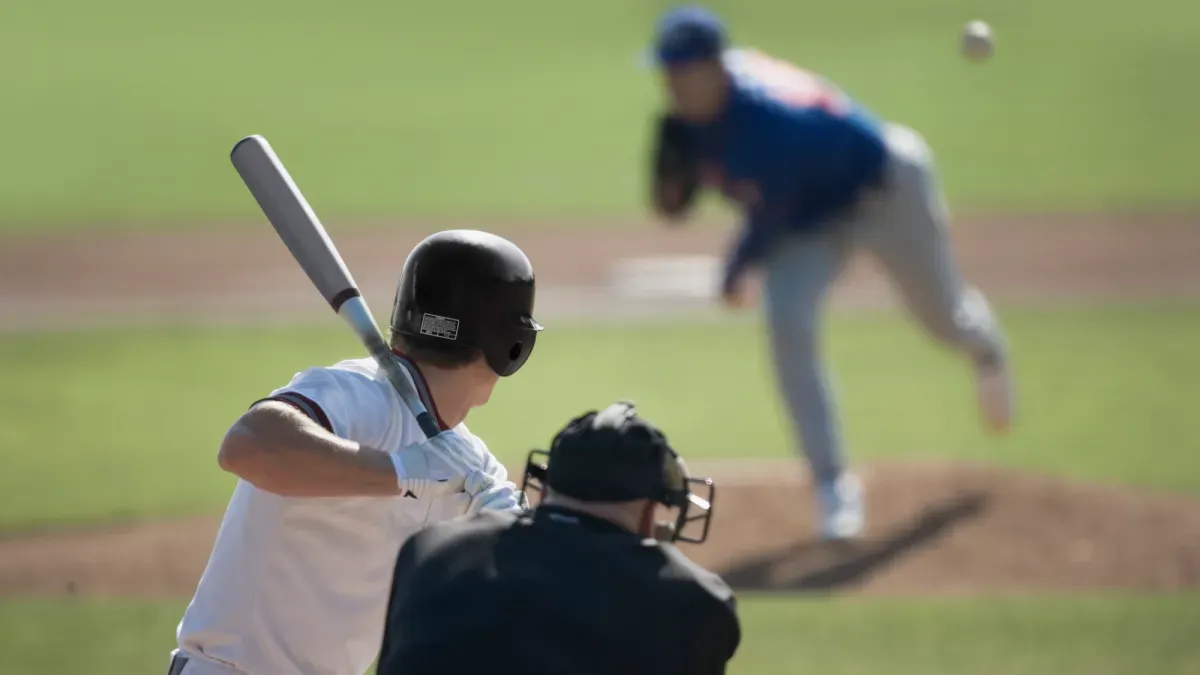
Professional baseball in South Korea just got a dose of cold, hard, unbiased reality. The Korea Baseball Organization (KBO) rolled out its new "robot umpires" for the 2024 season, and it turns out machines don't care about your batting average or how many jerseys you've sold.
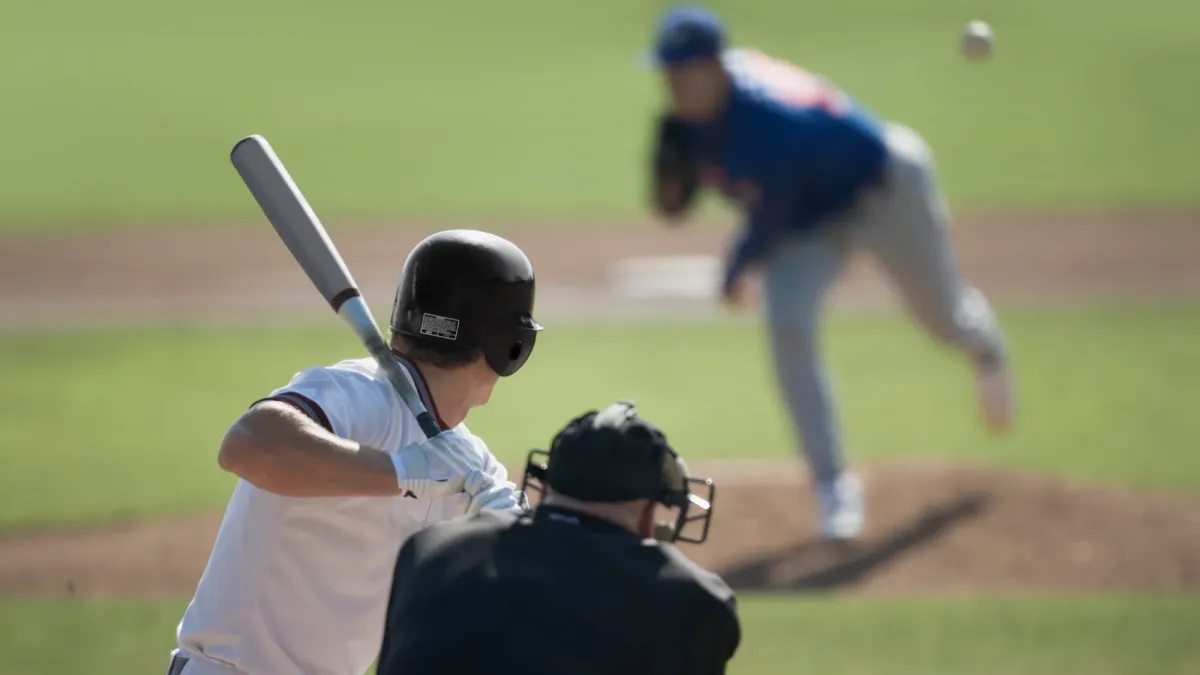
The system, charmingly named the Automatic Ball-Strike system (ABS), is a high-tech marvel of sensors and cameras. It tracks every pitch, instantly determines if it's a ball or a strike, and then, in a moment that feels both futuristic and slightly passive-aggressive, relays that info to the human umpire behind home plate. Who then, and only then, makes the call. Because apparently that's where we are now.
Robots Don't Play Favorites
Now, the whole point of ABS was to reduce human error and, let's be honest, human bias. And a study out of the University of Michigan, published in the European Sport Management Quarterly, found some fascinating, if not entirely unexpected, results.
We're a new kind of news feed.
Regular news is designed to drain you. We're a non-profit built to restore you. Every story we publish is scored for impact, progress, and hope.
Start Your News DetoxTurns out, those beloved, top-ranking hitters? Their stats related to strike-zone judgment took a hit. They were walking less, striking out more, and getting on base less often once the robots started calling balls and strikes. Which, if you think about it, is both impressive and slightly terrifying.
Jimin Song, a UM kinesiologist and co-author, put it plainly: this suggests a bias existed before ABS. Umpires, being human, likely gave a little extra benefit of the doubt to the big names on close pitches. It's not malicious, it's just... human. But the robots? They're not impressed by your highlight reel.

While the star batters' strike-zone stats declined, their overall hitting performance didn't really budge. This leads Song's team to a pretty clear conclusion: the calls changed, not the players. Interestingly, pitchers didn't show the same patterns, which researchers chalk up to varying performances or fewer opportunities for the robots to expose a bias.
Richard Paulsen, another UM kinesiologist, points out the obvious: these calls can swing game outcomes. And some decisions, like a ball or a strike, are objective enough to hand over to our silicon overlords. While ABS won't be showing up in your office performance reviews (yet), the study is a stark reminder that bias exists wherever there are power differences. And sometimes, a robot is just what you need to cut through it.
Major League Baseball is also dabbling with its own ABS this season, so get ready for more unbiased calls. But don't worry, human umpires aren't going anywhere. Paulsen still sees a place for their squishy, subjective judgment in the more nuanced calls. Because some things, even robots know, are best left to a good old-fashioned argument.