Los Angeles just greenlit a $24 billion bet that the future of rush hour doesn't have to mean sitting in traffic. The LA County Metropolitan Transportation Authority approved a 14-mile automated subway line running north-south through the Sepulveda corridor, one of the region's most congested routes, connecting Van Nuys to Santa Monica.
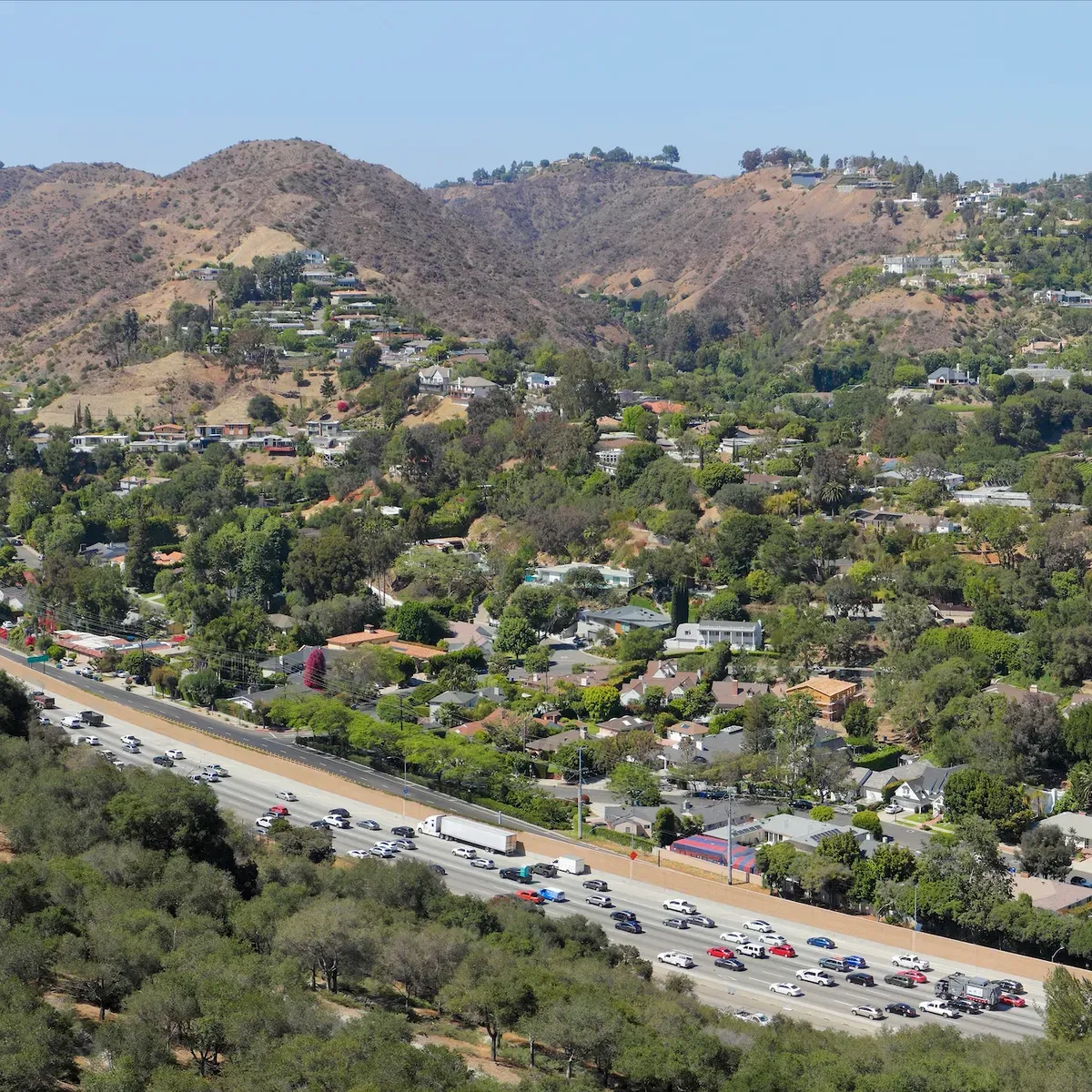
The corridor is brutal right now. A drive between Santa Monica and Van Nuys along Interstate 405 or Sepulveda Boulevard can swallow 40 to 80 minutes of your day. The new subway would cut that to about 20 minutes. Trains would run every 2.5 minutes at peak times, with projections of over 120,000 daily riders once it opens.
What makes this different from the usual transit promise is the specificity of what's being built. This isn't a proposal or a study. The board selected this automated subway from six alternatives (including a monorail) and committed to a funding strategy combining federal, state, and local money, with LA Metro exploring public-private partnerships to fill gaps. Initial funding comes from sales tax measures passed in 2008 and 2016—money that's been sitting in the pipeline waiting for a project this significant.
We're a new kind of news feed.
Regular news is designed to drain you. We're a non-profit built to restore you. Every story we publish is scored for impact, progress, and hope.
Start Your News DetoxThe corridor itself is a bottleneck that affects far more than commuters. All those cars idling in traffic mean air quality suffers. All those drivers stressed and late means safety takes a hit. Replacing car trips with a subway that runs on electricity rather than gasoline addresses both. The project will use a single-bore tunnel design to minimize disruption to the surface—a detail that matters when you're building through dense, developed neighborhoods.
LA Metro's chief planning officer Ray Sosa put it plainly: "Great cities deserve great transit, and great transit helps make a city great." It's a simple statement, but it captures why this project cleared the hurdles it did. Public comment supported it. County leaders backed it. A draft environmental review was completed. The pieces are in place.
This is the kind of infrastructure project that takes years to move from approval to first shovel. But it's also the kind that reshapes how a region actually functions once it's done. Twenty minutes instead of 80 isn't just a time saving—it's a different kind of day for 120,000 people.