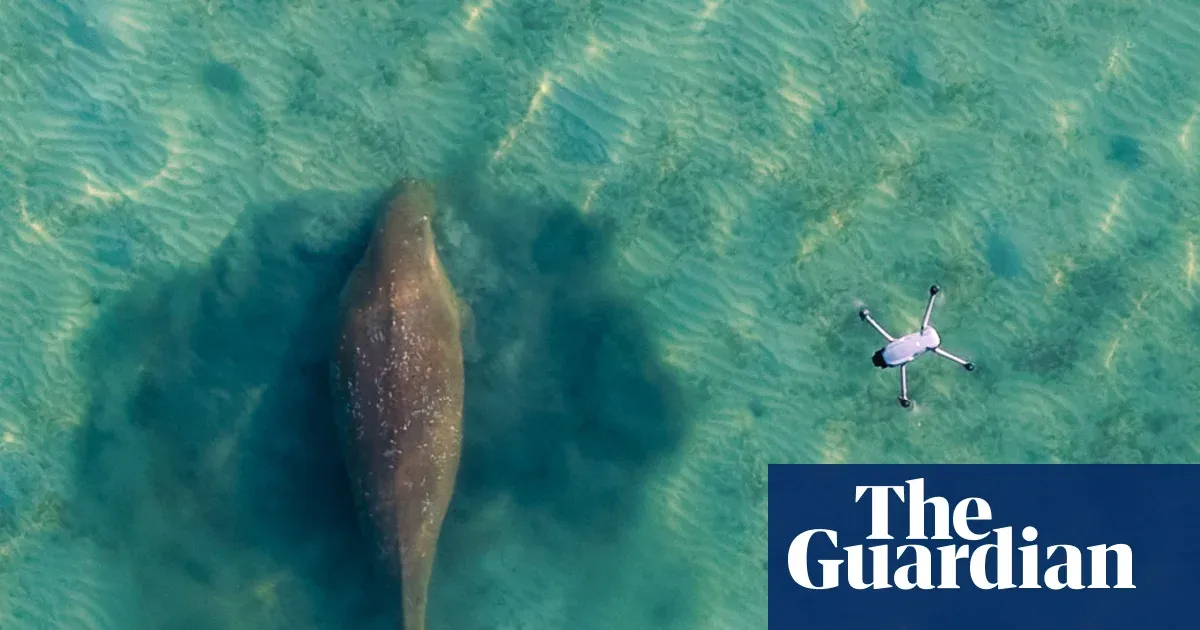
Theerasak "Pop" Saksritawee stands on the shore of Tang Khen Bay most days now, drone in hand, scanning the murky water 600 meters offshore. When the grey shape appears on his screen—Miracle, a local dugong—he knows at least one is still there.
Pop is a 42-year-old photographer who turned accidental conservationist 15 months ago. He started visiting the bay to document the dugongs living there. At one point, thirteen shared these shallow waters. Today, Miracle is alone.
Across the Indo-Pacific, dugongs—medium-sized marine mammals related to manatees—are disappearing. An August 2025 assessment confirmed what scientists already knew: the species is critically endangered, threatened by habitat loss, boat strikes, noise, and pollution. But Thailand's dugongs matter most right now. They may be what keeps the species alive.
We're a new kind of news feed.
Regular news is designed to drain you. We're a non-profit built to restore you. Every story we publish is scored for impact, progress, and hope.
Start Your News DetoxIn 2022, at least 273 dugongs lived in Thai waters. Then the strandings began. Dead and emaciated animals started washing ashore with increasing frequency. From 2019 to 2022, an average of 20 dugongs stranded each year along the Andaman Coast. From 2023 to 2024, that number more than doubled to 42 per year.
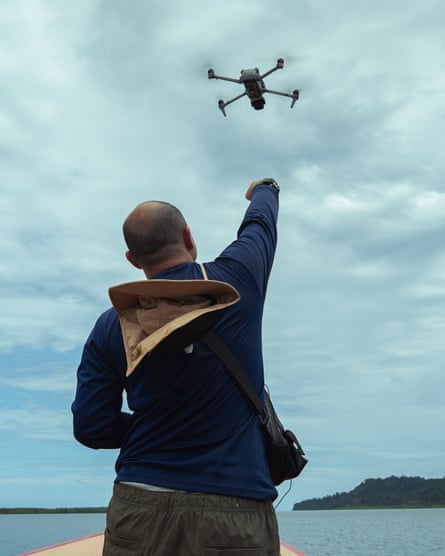
Theerasak 'Pop' Saksritawee, an amateur conservationist, uses a drone to monitor the dugongs in the bay
International scientists traced the crisis to a massive seagrass die-off. A dugong eats 40 to 60 kilograms of seagrass daily—it's their entire diet. When seagrass vanished from coastal waters near Trang, the animals starved, stopped reproducing, and fled to find food elsewhere.
Pop has watched this unfold in Tang Khen Bay. He's noticed that heavy rain washes materials from nearby construction sites into the water, choking out seagrass and triggering algae blooms. During one downpour, Miracle disappeared for a week.
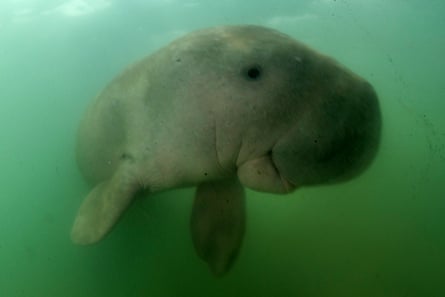
Marium, an orphaned baby rescued off a beach in Krabi in 2019. The calf was dubbed 'Thailand's sweetheart' but was found dead four months later with plastic in her stomach.
The government has attempted to replant seagrass and supplement food sources, but these efforts can't scale to what's needed. What might work, experts say, is locally managed marine areas and protected corridors that let dugongs migrate safely as they search for feeding grounds.
Meanwhile, people like Pop and Manee Sanae—who runs a roti stall on the bay's shore—keep watch. An online community has formed to protect the remaining animals. Sanae alerts the group when fishing boats enter the bay while Miracle is feeding. It's not a solution, but it's vigilance. It's care. And right now, for one dugong in Thailand, that matters.