Malaysia has moved to shut down what was once a quiet but lucrative trade: accepting the world's discarded electronics. The country has enacted a total ban on e-waste imports, closing loopholes that previously allowed limited shipments to enter legally. The Malaysian Anti-Corruption Commission announced the shift as "absolute prohibition," with enforcement to match.
The timing is significant. The ban arrives alongside a corruption investigation into environmental officials accused of enabling illegal e-waste imports — the director-general of the Department of Environment and their deputy were detained last week on suspicion of abuse of power. That backdrop matters: it signals this isn't just policy on paper, but a response to real institutional failure.
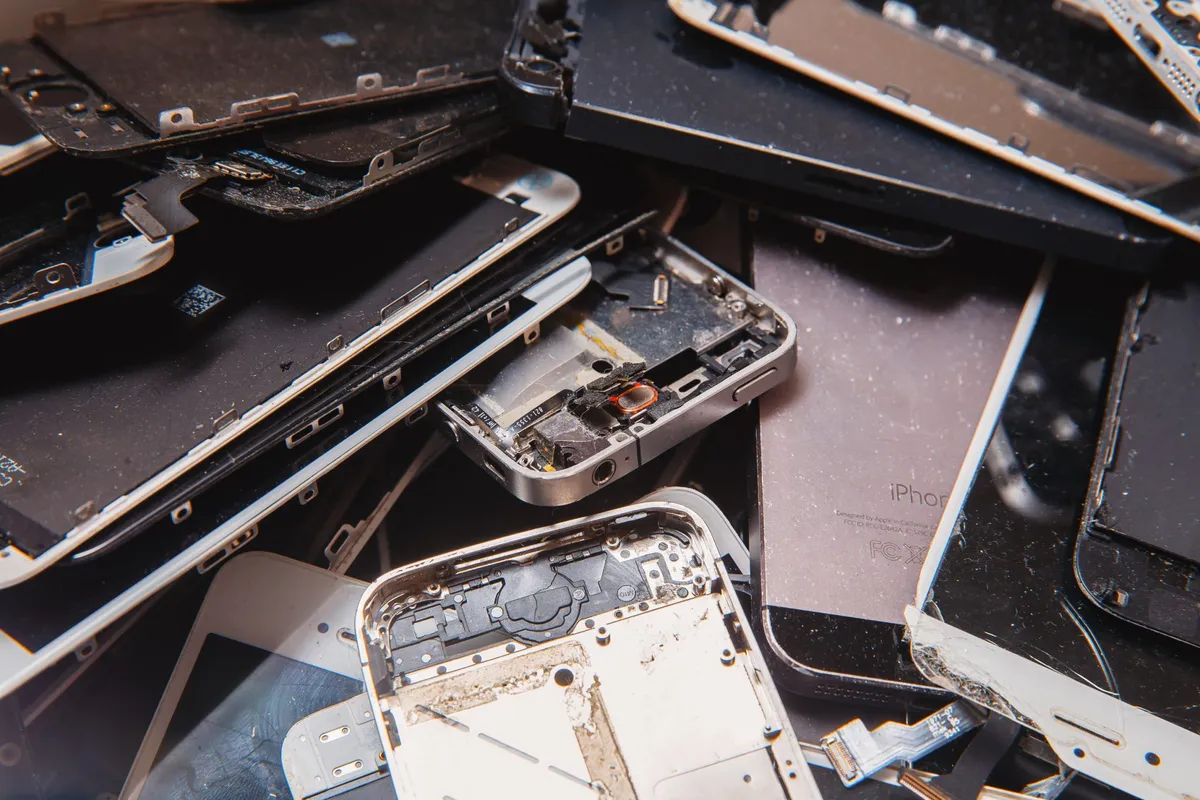
E-waste — discarded phones, laptops, TVs, appliances — doesn't just clutter landfills. These devices contain mercury, lead, cadmium, and other heavy metals that leach into groundwater and soil when processed carelessly. Malaysia had become a de facto destination for this toxic stream, much of it arriving through informal channels that regulators struggled to track or stop.
We're a new kind of news feed.
Regular news is designed to drain you. We're a non-profit built to restore you. Every story we publish is scored for impact, progress, and hope.
Start Your News DetoxA regional shift
Malaysia isn't acting alone. Across Southeast Asia, governments are tightening their borders. Indonesia seized over 70 containers of hazardous e-waste at a port on Batam Island recently, much of it shipped from the United States. Thailand and Vietnam have also begun cracking down on illegal imports. The surge in Southeast Asian e-waste began after China, which once absorbed much of the world's discarded electronics, enacted a near-total ban on foreign waste imports in 2018. That decision redirected the flow southward, toward countries with weaker enforcement and lower processing costs.
What's changed now is the willingness to say no. For years, the economics favored acceptance: informal recyclers could extract valuable metals, and governments collected fees. The environmental and health costs fell on communities living near processing sites — often the poorest neighborhoods, where children's blood lead levels spike and respiratory illness clusters quietly.
Malaysia's absolute ban removes that calculation. It's a signal that Southeast Asia is no longer available as the world's discount waste processor. Whether the enforcement holds — whether corruption doesn't simply shift the problem to another port, another official — will determine whether this is genuine change or political theater. The detention of top environmental officials suggests the government understands the stakes. The next months will show whether that momentum holds.